
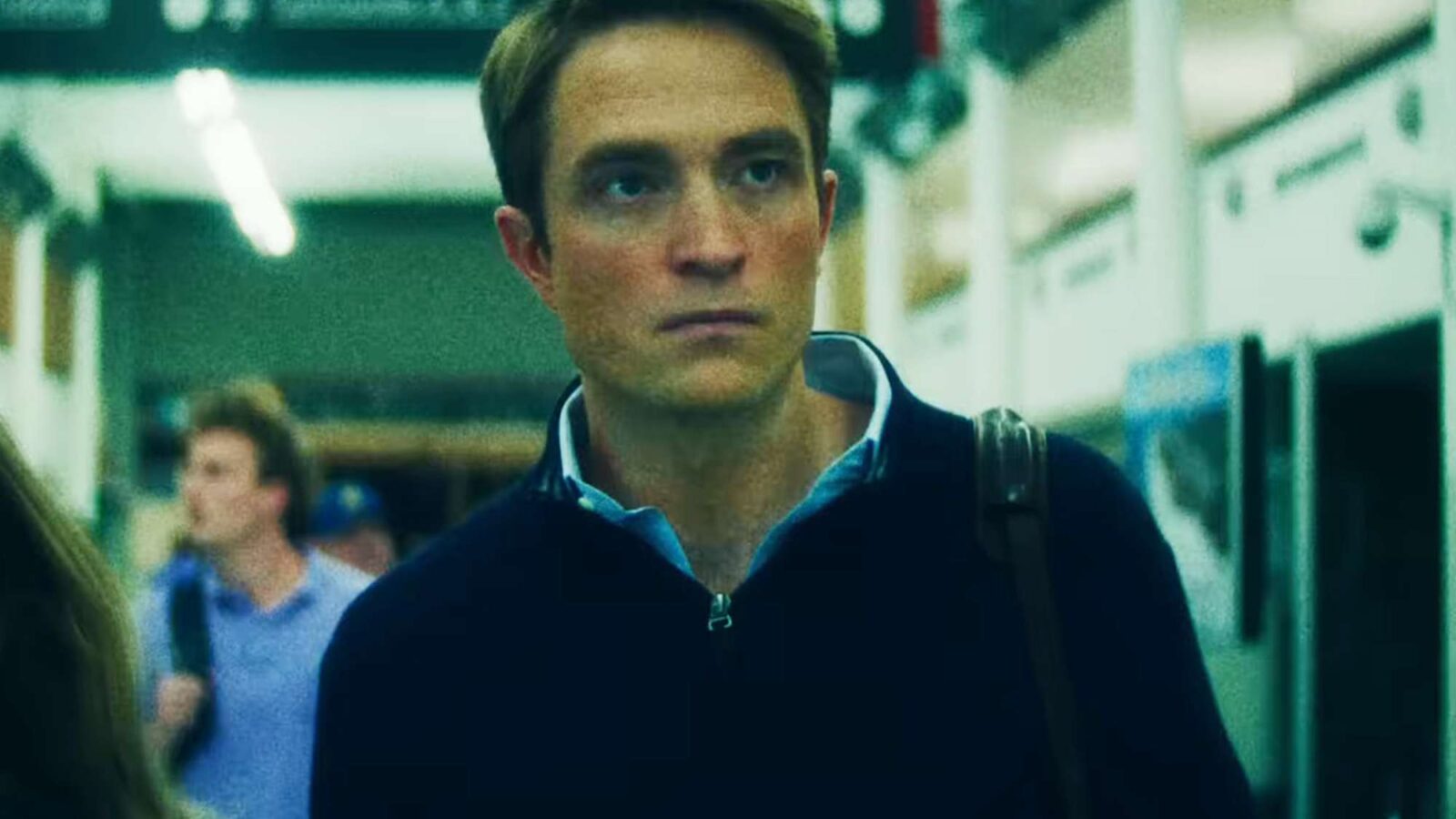
Director Lance Oppenheim’s unconventional persuasion — from nicotine pouches to late-night gummies and Four Lokos — helped convince Robert Pattinson to step in front of the camera for Primetime, a role he was originally only set to produce. That behind-the-scenes anecdote, revealed in recent interviews, offers a neat window into how modern indie filmmaking, celebrity branding and internet fandom intersect.
From producer to onscreen subject
According to interviews with the director and press coverage around the film’s release, Pattinson was at first attached to Primetime as a producer. Director Lance Oppenheim has described a playful, slightly surreal courting process: when Pattinson expressed a craving for Zyn nicotine pouches, Oppenheim arranged for a friend in Canada to ship hundreds of canisters, accompanying them with a cheeky letter and a reworked script. The director also recounted late-night meetings involving gummies and Four Lokos as part of the effort to convey the film’s tone and win Pattinson over to take the part himself. (See coverage in Entertainment Weekly and Vulture.) Entertainment Weekly, Vulture
Why the anecdotes matter
These stories do more than provide amusing press fodder — they illustrate practical and creative realities of contemporary independent film:
- Relationship-driven casting: Indie directors often must use inventiveness and personal rapport to persuade high-profile collaborators to attach their names and faces to smaller, riskier projects. Small gestures, humor and shared late-night creative sessions can convert interest into commitment.
- Creative reframing: Oppenheim and writer Ajon Singh reportedly reworked the script to amplify fever-dream elements and craft a tone that would both challenge Pattinson and fit alongside provocative thrillers from directors like Oliver Stone or Brian De Palma — a deliberate repositioning meant to entice an actor known for taking unconventional turns.
- Brand signaling: For an actor like Pattinson — who recently headlined a major superhero film — taking a role in a surreal, auteur-driven project functions as a recalibration of public image: it signals range, taste and a willingness to take risks that can pay off in critical currency and long-term career distinctiveness.
Online fandom and the ‘what’s next’ conversation
After the film’s release, social media users shared clips and memes highlighting Pattinson’s transformation into the investigative-journalist character, quickly pivoting to speculation about other high-profile roles fans imagine him in — including discussions about the Joker. Pattinson’s own response to that suggestion was self-aware; when asked if he’d want to play the Joker, he praised Barry Keoghan’s turn (a cameo role some viewers noticed in relation to Pattinson’s earlier portrayal of Batman) and downplayed any eagerness to take on that specific mantle. Entertainment Weekly
What this means for studios, stars and audiences
The Primetime story highlights several trends shaping entertainment in recent years:
- Actors as curators of identity: With streaming platforms and franchise tentpoles coexisting, actors toggle between big-budget visibility and smaller projects that burnish their artistic credibility. A single, well-received indie performance can reset perceptions and spawn new creative opportunities.
- Marketing via mythmaking: Anecdotes about eccentric courtship rituals become part of a film’s marketing ecosystem. Quirky press stories humanize films and talent, offering shareable angles that help cut through crowded release calendars.
- Fan-driven narratives: Social platforms accelerate the recycling of performance moments into larger cultural narratives (e.g., “could he be a good Joker?”). That momentum isn’t just fan chatter; it shapes industry conversations around casting and franchise decisions.
Bottom line
Whether you remember the shipping-label joke — “Dear Chris Han-Zyn” — for its humor or as a snapshot of modern celebrity logistics, the episode around Primetime underscores how creative persuasion, image management and audience storytelling now operate together. For Pattinson, the move from producer to lead in a daring indie project continues a pattern: selective risks that keep his career interesting to both filmmakers and fans.
Sources:
- Interview and coverage of director Lance Oppenheim’s comments: Vulture
- Reporting on the film, Pattinson and press interviews: Entertainment Weekly
- Production and distribution information: A24 (official studio site)