
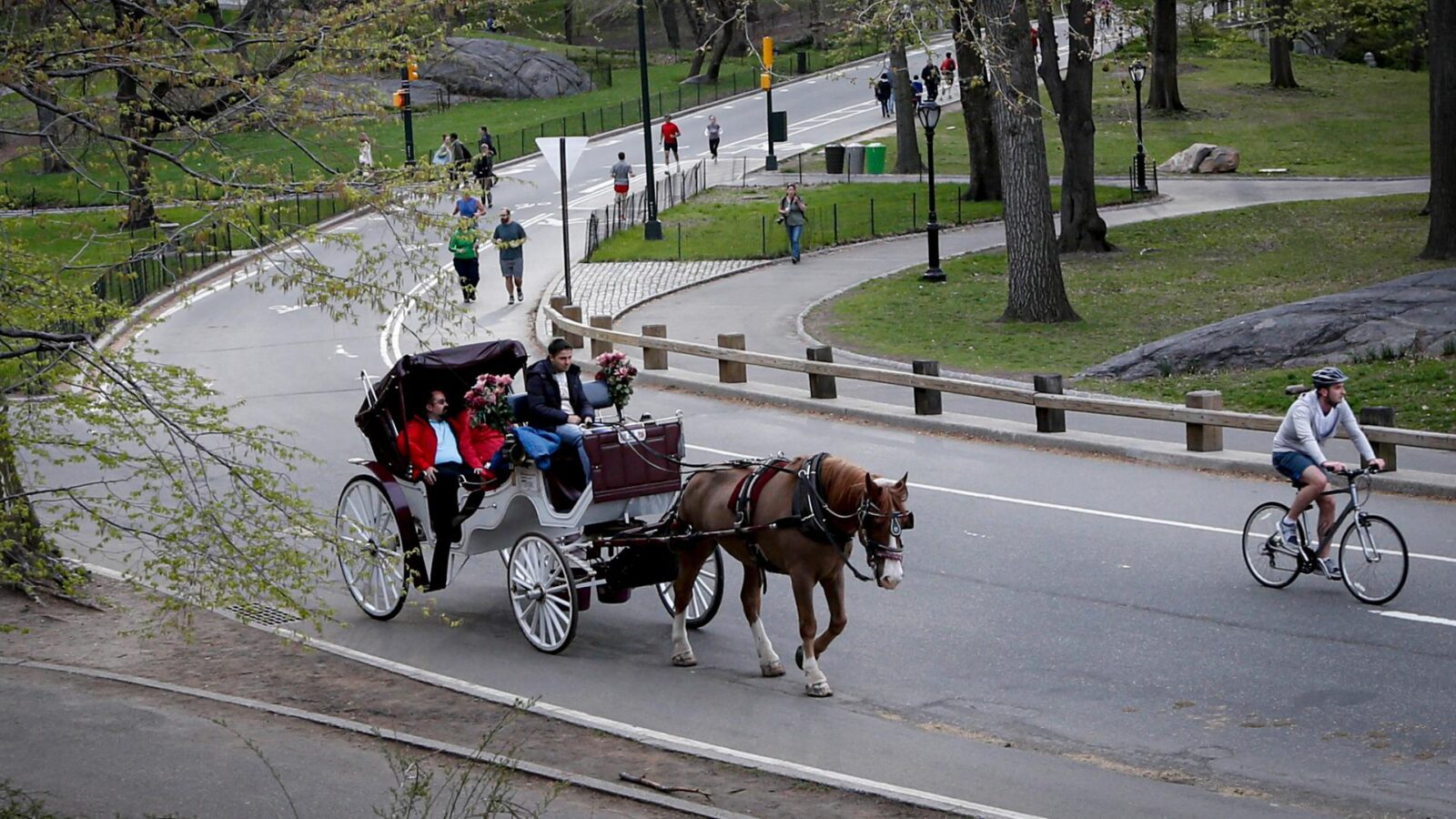
New York City leaders have reached a deal to phase out the long-standing Central Park horse-drawn carriage industry, setting an implementation date of June 1, 2028, and laying out measures intended to protect both horses and workers during the transition. The agreement, brokered between Mayor Zohran Mamdani and City Council Speaker Julie Menin, will be brought to the City Council for a vote later this month.
What the legislation does
The legislation abolishes licensed horse-drawn carriage rides in and around Central Park, with a phased implementation that culminates on June 1, 2028. Key provisions reported alongside the bill include:
- A prohibition on selling or transferring horses for slaughter or for use in other horse-drawn businesses;
- A requirement that horse owners notify the Mayor’s Office of Animal Welfare before disposing of horses;
- An “industry transition framework” requiring the city to prepare job-transition supports and identify placements and training across city agencies and related industries.
These details were described in the legislation text and in public statements from City Hall as part of the negotiated deal. For the full coverage, see reporting by CNN.
Why the ban now?
Advocates for animal welfare have long criticized the carriage industry, arguing the horses face overwork, frightening traffic conditions, and inadequate stabling. Momentum accelerated after the death of 18-year-old tourist Romanch Mahajan, who was killed last summer when he was thrown from a runaway carriage — a tragedy that supporters of the ban cited as evidence the status quo posed unacceptable public safety and animal welfare risks.
Groups that pushed for the ban, including New Yorkers for Clean, Livable and Safe Streets (NYCLASS), hailed the agreement as the long-sought end to what they describe as a dangerous and cruel practice. NYCLASS has been a visible and vocal campaigner; see their materials at nyclass.org.
Workers and unions: concerns and negotiated supports
The ban is a substantial blow to carriage owners and drivers, many of whom are represented by Transport Workers Union Local 100 and related unions. Union leaders have argued that drivers — many of them immigrants supporting families — will be left without livelihoods and that the city’s planned transition supports are not robust enough.
Union statements emphasized that the bill offers limited immediate economic relief, pointing to proposed measures such as job fairs, counseling and a city-led transition plan due in 2027 as insufficient. The union’s stance and responses can be reviewed at the TWU Local 100 website: twulocal100.org.
As part of the compromise, the administration agreed to designate a city agency to lead worker-transition efforts and to identify potential placements and training opportunities across multiple agencies and industries — including the Taxi and Limousine Commission, the MTA (NYC Transit), the Port Authority, and hospitality and tourism sectors.
Animal welfare and post-ban care for horses
The legislation explicitly forbids the sale or transfer of carriage horses for slaughter or to other horse-drawn businesses and requires owners to notify the Mayor’s Office of Animal Welfare before rehoming or disposing of animals. These provisions were included to address longstanding concerns that horses might be abandoned or sent into unsafe situations as the industry winds down.
Animal-welfare organizations, however, will be watching implementation closely to ensure that humane retirement, retraining, or rehoming plans are adequately funded and enforced.
Political calculus and next steps
City Council sponsors say the bill has strong backing among councilmembers and expect it to pass. Sponsor Councilmember Chris Marte reported broad co-sponsorship and predicted a smooth path to passage. Passage will trigger a multi-year phase-out and implementation planning by city agencies.
After a City Council vote, the practical work shifts to city agencies tasked under the transition framework: defining concrete worker-placement programs, funding any necessary retraining, ensuring inspections and enforcement of the anti-slaughter provisions, and contracting with animal-welfare groups for horse care where needed.
Analysis: challenges and recommendations
Several practical challenges will determine whether the phase-out meets its stated humane and economic goals:
- Worker support must be specific and funded. Job fairs and counseling are helpful but not sufficient for mid-career workers with specialized skills. The city should line up paid retraining, guaranteed temporary income supports, and clear placement commitments with timelines and measurable targets.
- Horses need concrete retirement pathways. Rehoming at scale requires partnerships with sanctuaries and/or a funded municipal program. The city should publish a plan, including capacity estimates and funding sources, before the phase-in deadlines.
- Enforcement and transparency. A publicly accessible tracker for transition progress — numbers of workers placed, retraining slots filled, horses rehomed or retired — will reduce friction and increase public trust.
- Bridge programs. Short-term bridging supports (wage supplements, transitional employment with city agencies) can prevent immediate economic harm and smooth assimilation into new roles.
How the city executes the transition will determine whether this change is a humane, equitable modernization or a sudden economic shock to an established workforce. Political leaders and stakeholders on both sides have signaled willingness to negotiate; implementation detail and funding will be decisive.
What to watch next
- The City Council vote on the legislation and the final text as adopted.
- The Mayor’s Office designation of the agency responsible for the transition and publication of a formal transition plan with budget and timelines (targeted for 2027 under the agreement).
- Reports from animal-welfare groups and unions documenting progress on horse retirement and worker placements.
Sources
- CNN coverage of the city agreement and legislative details: https://www.cnn.com/search?q=Central+Park+carriage+ban
- New Yorkers for Clean, Livable and Safe Streets (NYCLASS): https://nyclass.org
- Transport Workers Union Local 100: https://www.twulocal100.org
- Central Park Conservancy (park management & background): https://www.centralparknyc.org
- City of New York (Mayor’s Office and agency pages): https://www.nyc.gov
Note: This article synthesizes reporting and public statements from city officials, unions, and advocacy organizations to summarize the new legislation and the key implementation questions it raises.