

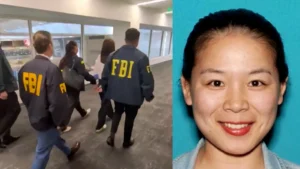


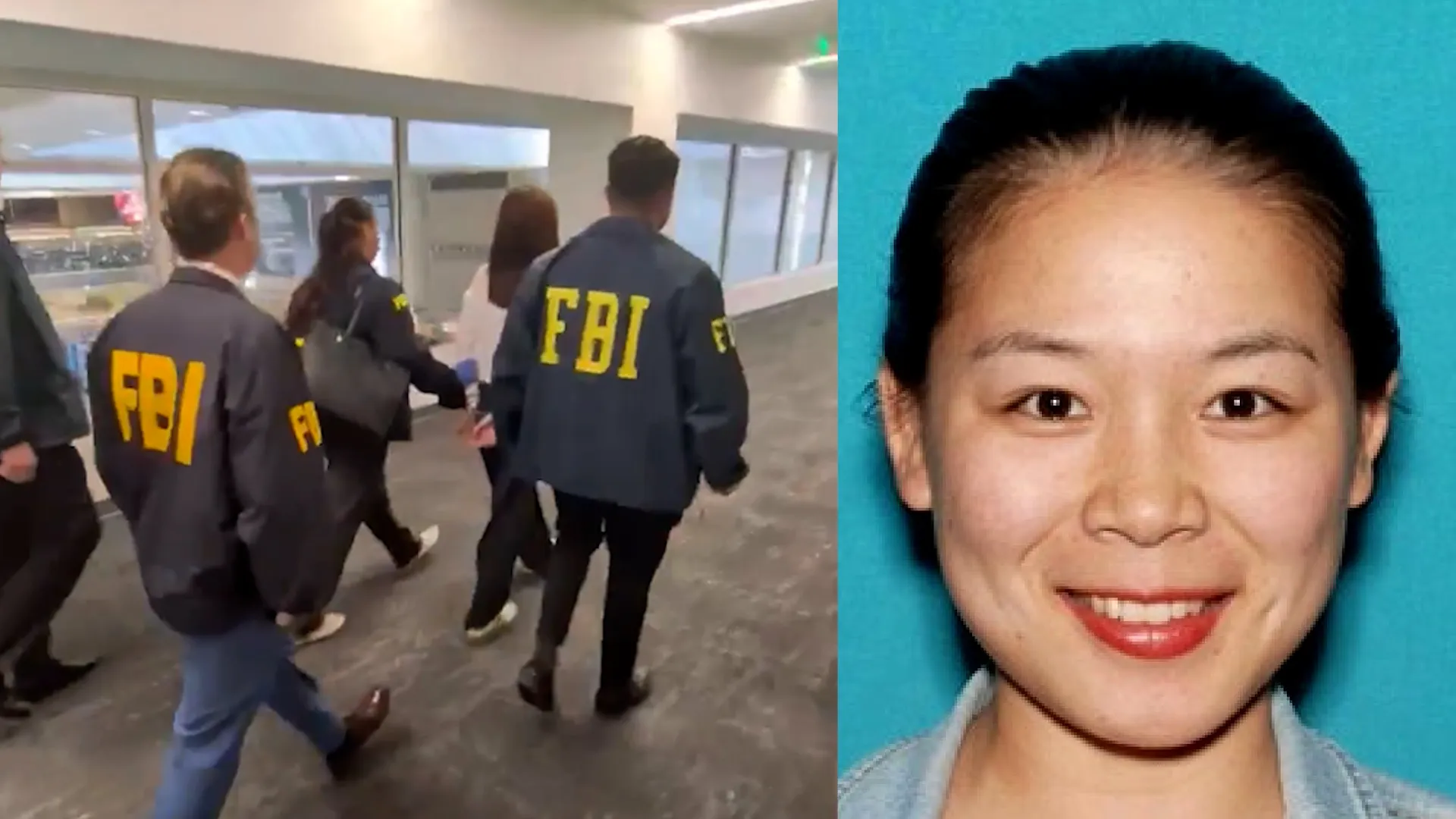
Arrest at Los Angeles International Airport
Federal authorities arrested a woman at Los Angeles International Airport on Sunday who is accused of spying for the People’s Republic of China and who, according to authorities, has been in the United States since 2025. The arrest was carried out by the FBI and marks the latest public action in a long-running U.S. counterintelligence focus on clandestine activities tied to China.
What officials have said
Officials have described the individual as an alleged agent acting on behalf of China. Beyond the timing and location of the arrest provided in the initial report, federal law-enforcement agencies typically follow this pattern: an arrest is announced by the FBI or Department of Justice (DOJ) through a press release, the arrested individual is presented to a federal magistrate, and prosecutors may file charges such as acting as an agent of a foreign government (18 U.S.C. § 951), conspiracy, or other national-security related counts depending on the underlying conduct. For authoritative information on statutes commonly used in such cases, see the federal code on acting as an agent of a foreign government (18 U.S.C. § 951).
Context: Why these arrests matter
Arrests alleging espionage on behalf of China have multiple implications:
- National security: These cases can involve theft of intellectual property, military or dual-use technology, sensitive immigration or travel data, or efforts to recruit insiders. Disrupting alleged spy networks is a priority for U.S. counterintelligence agencies to protect critical technologies and institutions.
- Diplomatic tensions: High-profile espionage arrests can strain bilateral relations and trigger diplomatic protests, expulsions, or reciprocal actions by foreign governments.
- Domestic enforcement and scrutiny: Such arrests typically lead to increased vigilance at ports of entry, among academic and research institutions, and in industries deemed high-risk for foreign influence.
Legal process and rights
After a federal arrest, the suspect is entitled to an initial appearance before a magistrate judge, where charges are read and detention or bail is addressed. If prosecutors pursue a case, it may proceed through indictment by a grand jury, potential plea negotiations, or trial. Defendants in national-security cases often face pretrial detention, classified information issues, and the potential use of specialized statutes like the Classified Information Procedures Act (CIPA) to manage national-security evidence in court.
How U.S. counterintelligence typically builds cases
Counterintelligence investigations often rely on a combination of human intelligence (HUMINT), electronic surveillance authorized by court orders, forensic analysis of devices, financial records, travel data, and cooperation with allied services. The FBI and DOJ have in recent years described a range of tactics used by foreign intelligence services, from direct recruitment to the use of nontraditional collectors and front organizations. For the agencies’ public statements and guidance on counterintelligence priorities, see the FBI and DOJ news pages (FBI News, DOJ News).
Broader trends
Over the past decade, U.S. authorities have increased scrutiny of alleged espionage tied to China across several domains: academic research, semiconductor and advanced manufacturing sectors, defense-related research, and influence operations targeting diaspora communities. Analysts point to a sustained, multifaceted approach by China’s intelligence apparatus focused on acquiring technologies, recruiting personnel, and influencing policy debates.
What to watch next
Key developments to monitor following this arrest include:
- Whether formal charges are filed and which statutes prosecutors invoke;
- Court filings and protective orders indicating the nature of alleged activity and whether classified evidence will be involved;
- Any public statements or consular moves by Chinese officials; and
- Follow-on enforcement actions or alerts from federal agencies to industry and academic partners.
Implications for travelers and institutions
While arrests at airports are rare relative to total travel volume, this case underscores continuing vigilance at ports of entry. Institutions that work with cutting-edge technology or sensitive government contracts should review security and compliance practices, including personnel vetting, export-control training, and reporting obligations.
Sources and further reading
- Federal statutes — 18 U.S.C. § 951 (acting as an agent of a foreign government): https://www.law.cornell.edu/uscode/text/18/951
- U.S. Department of Justice — news and press releases: https://www.justice.gov/news
- Federal Bureau of Investigation — news and public statements: https://www.fbi.gov/news
- Associated Press and major outlets for rolling coverage of national-security arrests: https://apnews.com, https://www.nytimes.com
Note: This article is based on initial reports indicating the arrest at Los Angeles International Airport and publicly available information about federal counterintelligence practices. For the most up-to-date details, consult official FBI and DOJ press releases and court filings as they become available.