

Summary: The U.S. Coast Guard is conducting an active search of a debris field off Nantucket for six people reported missing after an air ambulance jet went off radar. Local authorities, federal agencies and maritime resources have been mobilized as search-and-rescue and preliminary investigative steps begin.
Search and Rescue Operations Underway
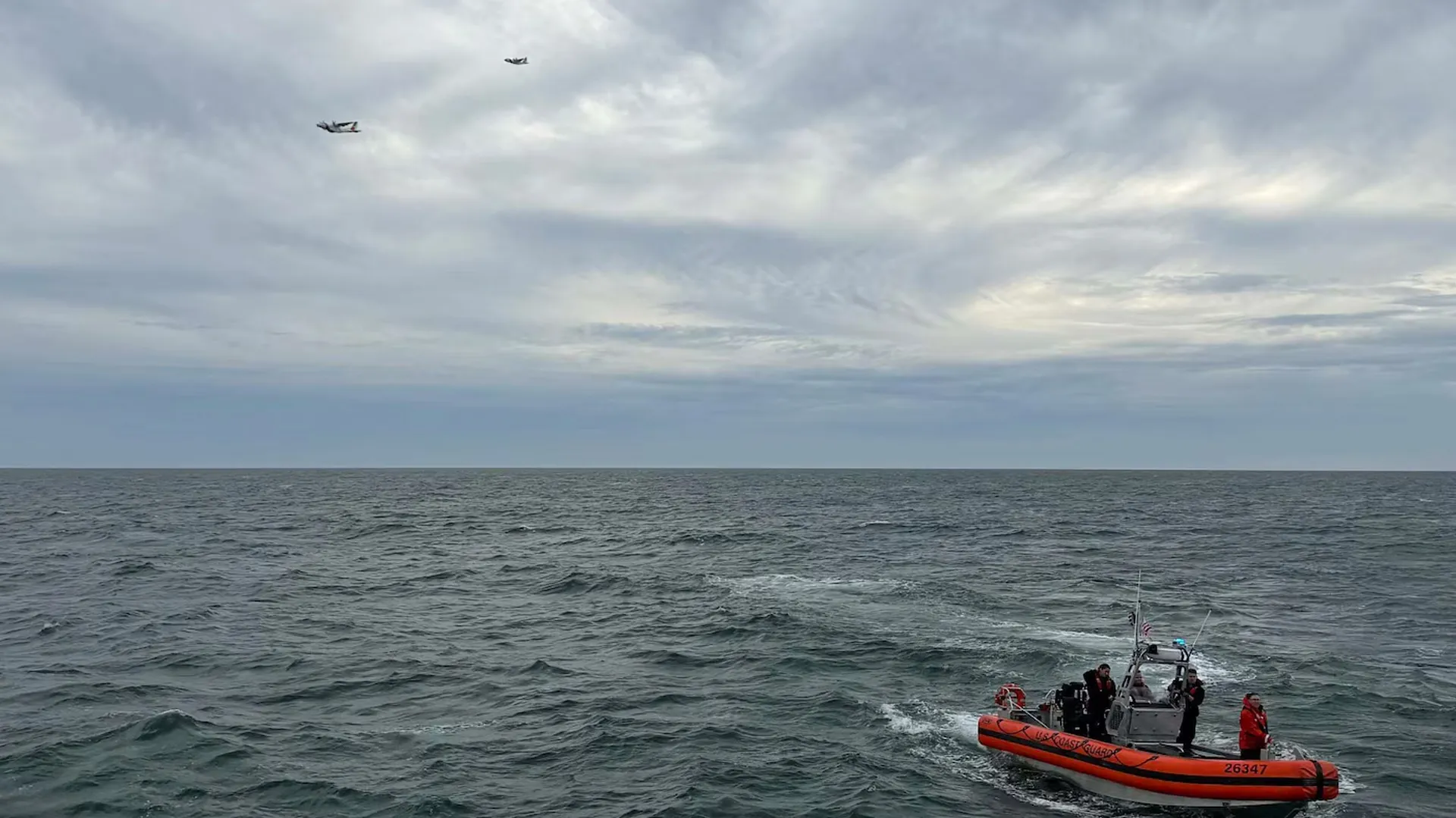
Coast Guard cutters, aircraft and surface assets, along with local vessels, are working to locate survivors and recover wreckage in the debris field reported off Nantucket. The U.S. Coast Guard has responsibility for coordination of maritime search-and-rescue (SAR) operations in the area. Updates are being posted by official channels and regional media as assets continue grid-pattern searches.
What Is Known So Far
- Initial reports indicate an air ambulance jet disappeared from radar and later a debris field consistent with an aircraft was located in the waters near Nantucket.
- Six people are reported missing; those counts and passenger manifests are typically confirmed as agencies coordinate with operators and families.
- Federal agencies that handle aviation incidents—the Federal Aviation Administration (FAA) and the National Transportation Safety Board (NTSB)—are usually notified to undertake regulatory and investigative roles.
Investigation and Agency Roles
When an aircraft is lost, the immediate focus is SAR; once survivors and debris are stabilized or recovered, an official investigation begins. The NTSB typically leads on technical accident investigation aspects for U.S.-registered aircraft, while the FAA coordinates regulatory and safety oversight. The Coast Guard will continue SAR and on-scene recovery operations until responsibility transfers to investigative teams.
Challenges Searchers Face
- Weather and sea state: Nantucket Sound and adjacent areas can have variable seas and visibility, complicating search patterns and recovery efforts.
- Debris drift: Ocean currents and wind can disperse debris, enlarging the effective search area over time.
- Time sensitivity: The first hours are critical for locating survivors; prolonged exposure to cold water greatly reduces survival chances.
Human Impact and Community Response
Incidents involving medical transport flights weigh heavily on affected families and communities. Air ambulances are intended to save lives, and when they are involved in accidents the emotional toll is intense. Local authorities and support organizations typically set up family assistance and hotlines for next-of-kin while media and officials provide situational updates.
What to Watch Next
- Official updates from the U.S. Coast Guard on the status of the search and any recoveries.
- Notices from the FAA and the NTSB regarding investigation status, safety findings, and potential flight data or communications records.
- Local reporting for details about the aircraft operator, flight purpose, and confirmation of passenger and crew identities.
Context and Analysis
Air ambulance operations are subject to tight operational demands and often fly in non-routine conditions to move critically ill patients. Investigations into accidents involving these flights typically examine maintenance records, pilot training and duty-time, weather conditions, air traffic communications, and any operational pressures related to patient care. The overlap of maritime SAR and aviation investigation adds complexity—recovery of wreckage and flight recorders is often central to understanding causal factors.
Beyond technical causes, broader systemic questions sometimes arise after such incidents: are there regulatory gaps in oversight of specialized medical flight operators, do working conditions or dispatch pressures play a role, and are there technological improvements (enhanced flight tracking, real-time telemetry) that could reduce response times or improve situational awareness?
Sources and Further Reading
- U.S. Coast Guard — official news and updates: https://www.uscg.mil/Latest-News/
- U.S. Coast Guard Atlantic Area (Twitter for rapid operational updates): https://twitter.com/USCGAtlantic
- National Transportation Safety Board (NTSB) — investigative process overview: https://www.ntsb.gov
- Federal Aviation Administration (FAA) — safety and regulatory information: https://www.faa.gov
- National Oceanic and Atmospheric Administration (NOAA) — marine weather and ocean conditions: https://www.noaa.gov
- Aggregated news coverage (Google News search): Search recent coverage
- Local media and regional outlets (example search): NBC Boston search results
Editors: publish as soon as official confirmations are available. Verify victim counts and identities only after family notifications and official statements. Continue to monitor Coast Guard, NTSB and FAA releases for authoritative information.