


Summary
American Airlines has rolled out an app feature for AAdvantage members that will automatically move solo travelers out of middle seats and into aisle or window seats if one becomes available before departure. The change mirrors a similar capability already offered by United and reflects a broader push by carriers to use mobile apps and real‑time inventory management to improve passenger experience without manual intervention.
How the feature works
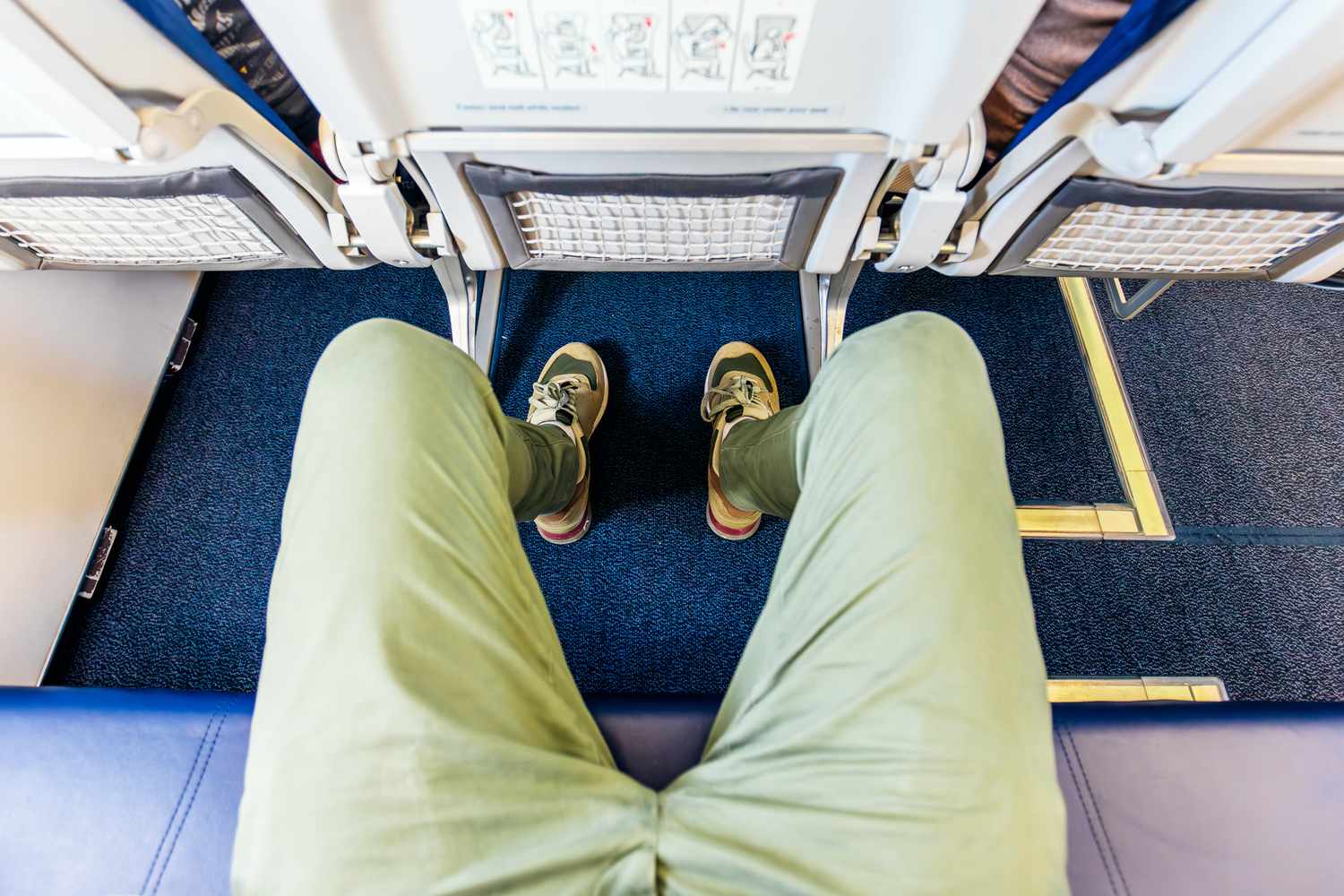
The tool runs in the airline’s reservation/seat‑assignment system and monitors open seats on a flight. If a lone passenger is assigned a middle seat, the app will reassign that traveler to an available aisle or window seat automatically — at no additional charge for enrolled AAdvantage members. The swap happens only when an open eligible seat becomes available prior to departure, and it is designed to be seamless for the traveler.
Where this fits in airline technology trends
Airlines have been investing heavily in mobile and back‑end systems that enable real‑time changes to bookings: automatic seat reassignments, baggage tracking, app notifications, dynamic rebooking during disruptions, and more personalized travel experiences. This feature is another example of using automation to reduce friction for customers and lower the volume of manual requests for gate and agent staff.
Why carriers are doing this
- Customer experience: Moving solo travelers out of middle seats addresses a common passenger pain point and can boost satisfaction.
- Operational efficiency: Automated moves reduce calls and desk interactions, freeing staff to focus on irregular operations.
- Competitive differentiation: App capabilities are now a competitive battleground; offering conveniences via the app encourages loyalty enrollment and app usage.
Limitations and fairness questions
There are tradeoffs and questions to consider. The feature is reportedly limited to AAdvantage members — meaning non‑members or passengers on different fare classes may not get the same benefit. Also, how airlines prioritize which passengers get automatic moves (e.g., fare class, elite status, time of booking) can raise fairness concerns. Finally, automatic reassignment must be balanced against families or groups who have intentionally selected adjacent seats; airlines typically account for group bookings, but edge cases can occur.
Privacy, transparency, and notifications
From a privacy and UX perspective, it’s important that passengers receive clear notifications about any automatic seat changes, why they occurred, and how to opt out. Transparency in airline apps builds trust — especially when automation touches personal travel arrangements.
What travelers should do
- Enroll in the airline loyalty app (AAdvantage for American) and enable notifications to receive automatic seat change alerts.
- Check seat assignments before arriving at the airport if a middle seat is a concern.
- If traveling with others, verify group or family seating remains intact after any automatic reassignment.
Takeaway
Automatic seat reassignment is a small but meaningful example of how airlines are leveraging app‑driven automation to improve passenger comfort and reduce manual workloads. As carriers continue to refine these tools, travelers should expect more real‑time conveniences, with the caveat that transparency and fairness in how those conveniences are distributed will be key to consumer trust.