


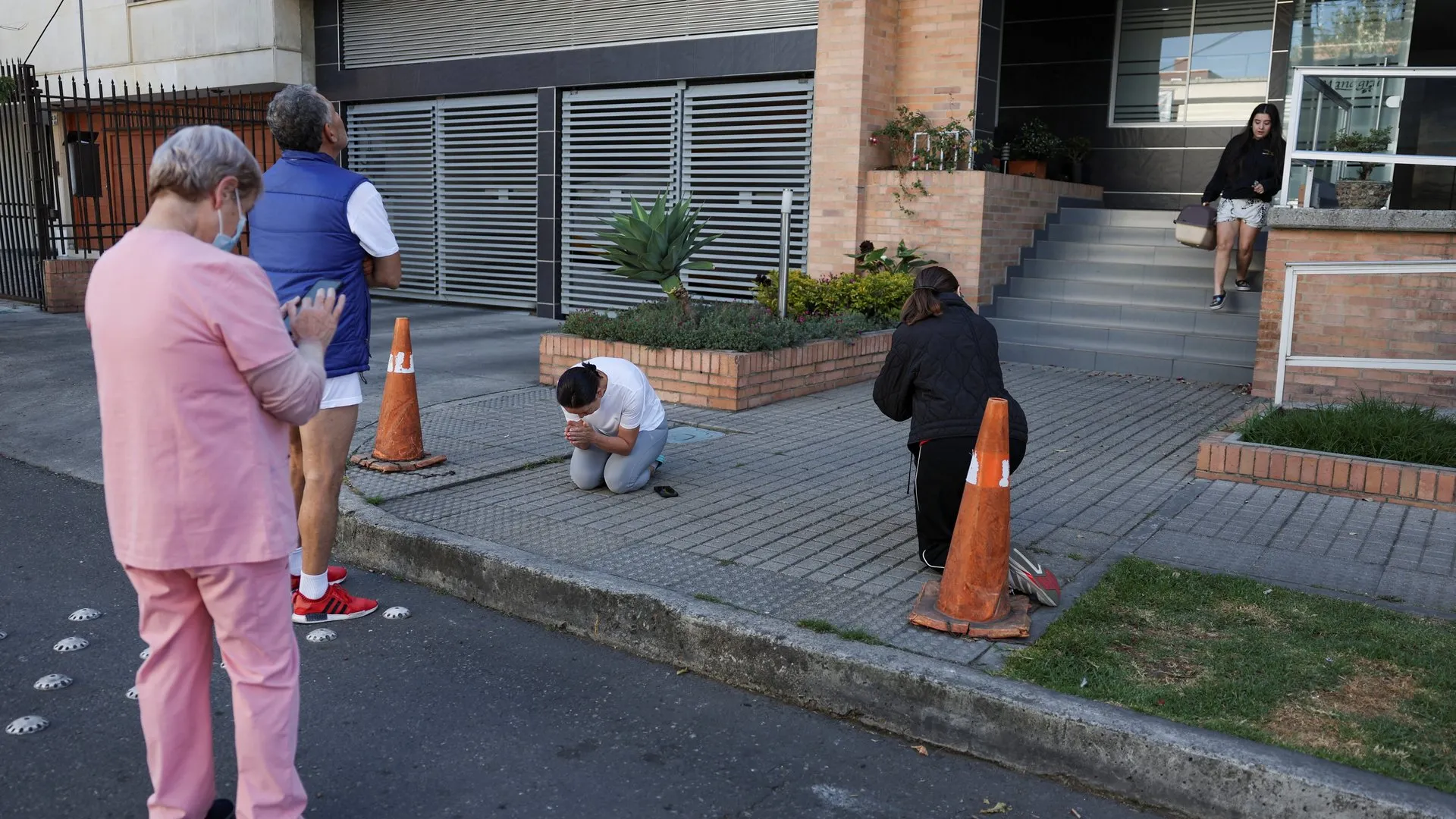
Early Monday morning a powerful earthquake of magnitude 7.4 struck Colombia’s Pacific province of Chocó. The temblor occurred at about 7:34 a.m. local time with an epicenter reported roughly 3 miles east of San José del Palmar. Local authorities in Quibdó and surrounding municipalities say injuries and structural damage have been reported, and teams are conducting damage assessments amid concerns about aftershocks.
What we know so far
- The quake was initially reported as magnitude 7.4 and occurred near San José del Palmar, Chocó, at approximately 7:34 a.m. local time.
- Chocó’s governor, Nubia Carolina Córdoba Curi, said the department experienced a “severe seismic event” and warned residents to expect aftershocks while authorities evaluate damage and casualties.
- Initial reports indicate injuries and damage to buildings in Quibdó and other towns; official casualty and damage figures are still being compiled.
- Emergency services and disaster-management agencies are mobilizing to carry out search, medical aid, and structural inspections.
Official response and where to get information
National and regional emergency agencies typically coordinate immediate response after major earthquakes. In Colombia, that includes the Unidad Nacional para la Gestión del Riesgo de Desastres (UNGRD) and the Servicio Geológico Colombiano, which monitor seismic activity and provide technical advisories. Humanitarian actors such as the Colombian Red Cross also mobilize for first aid, shelter, and relief needs.
Residents should follow verified official channels for instructions and updates, including local government accounts and the national disaster-management agency.
What to expect next
- Aftershocks: Significant earthquakes are commonly followed by aftershocks, some of which can be strong enough to cause additional damage. Residents should be prepared for further shaking and heed official safety instructions.
- Damage assessments: Authorities will perform rapid and then more detailed structural and humanitarian assessments to determine needs for shelter, medical care, and infrastructure repairs.
- Risk of landslides and infrastructure disruption: In Pacific Colombia—where steep terrain, heavy rainfall, and limited road infrastructure are common—earthquakes can trigger landslides and isolate communities, complicating response efforts.
Context — Colombia and seismic risk
Colombia sits along the Pacific Ring of Fire and is affected by interactions among the Nazca, Caribbean and South American plates. The western and Pacific coastal regions, including Chocó, are especially exposed to seismic events. Because communities in parts of Chocó can be geographically isolated and infrastructure may be fragile, even earthquakes that occur outside large urban centers can have severe humanitarian consequences.
Immediate safety guidance
- Move to open ground away from buildings, power lines and steep slopes if you are outdoors.
- Indoors: Drop, cover and hold on; stay away from windows and heavy objects that could fall.
- After shaking stops: Check yourself and others for injuries, look for gas leaks or structural damage, and be prepared to evacuate if authorities advise.
- Use text messages and social media sparingly to keep phone lines clear for emergency calls; rely on official channels for verified information.
How to help
If you wish to support relief efforts, donate through established humanitarian organizations and local validated partners. Confirm the legitimacy of any fundraising appeals before donating.
Last updated: 10 August 2026. This is a developing story — official figures and details may change as authorities complete assessments.
Sources and further reading
- Servicio Geológico Colombiano (SGC) — Colombia’s national geological and seismic monitoring agency.
- Unidad Nacional para la Gestión del Riesgo de Desastres (UNGRD) — Colombia’s national disaster management authority.
- U.S. Geological Survey — Earthquake Hazards Program — information on magnitudes, seismic hazards and aftershock probabilities.
- International Federation of Red Cross and Red Crescent Societies (IFRC) — guidance on emergency response and how to support relief operations.
- UN Office for the Coordination of Humanitarian Affairs (OCHA) — humanitarian coordination and situation updates in major disasters.
- Local official statements and social posts from Chocó authorities and the governor’s office (official channels such as municipal pages and verified social accounts) — monitor for live updates.