
Overview
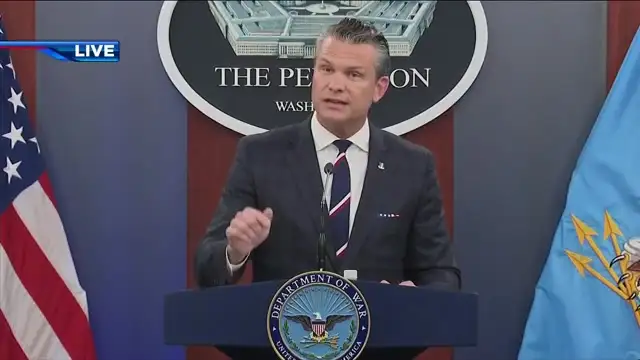
Defense Secretary Pete Hegseth is scheduled to hold his first Pentagon news conference in six months amid a newly filed impeachment resolution that accuses him of misconduct tied to U.S. military actions, most prominently the administration’s conduct in the war with Iran. Rep. Thomas Massie (R-Ky.) filed the resolution, which centers on the Iran conflict but also references operations tied to Iran-backed forces and actions in Latin America.
What the resolution alleges
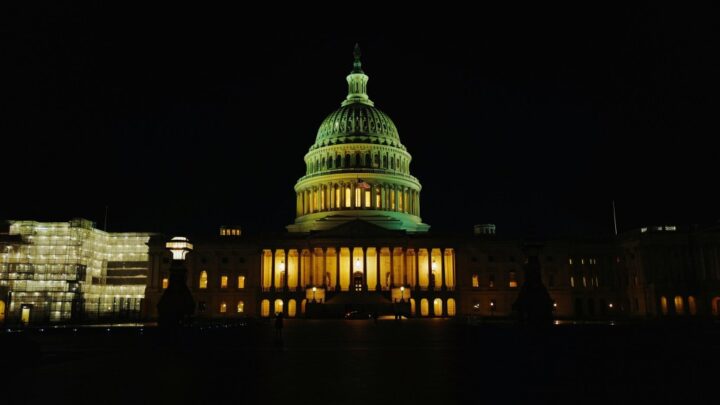
The impeachment measure characterizes Hegseth’s conduct as “high crimes and misdemeanors,” pointing to the Department of Defense’s role in strikes and operations related to Iran, engagements with Houthi forces in Yemen, and actions connected to Venezuela. The resolution sets up a rapid political test: House consideration could come within days of its filing, forcing Republicans — already reeling from midterm losses they and outside analysts have partially attributed to the Iran war — to take a public vote.
Hegseth’s response and the administration’s posture
Hegseth has portrayed the impeachment effort as political theater and has launched an active media response, saying he is prepared to defend the military actions and his leadership. He and Pentagon allies have pushed back publicly, with senior Defense Department spokespeople and political appointees issuing statements and social-media posts backing him. President Donald Trump has also voiced support, citing recent operations he credits to the Pentagon’s leadership.
Why this matters politically
At its core, the fight is a test of intra-party unity and messaging ahead of the next election calendar. For Republicans in the House, an impeachment vote presents a dilemma: support a high-profile Trump appointee and risk angering factions and voters upset about the Iran conflict, or back the resolution and splinter the party further at a moment when many Republicans are already doing post-mortem evaluations after disappointing midterm results.
Governing and national-security implications
Beyond the partisan calculus, the episode raises questions about civilian leadership at the Pentagon and how congressional oversight functions when political disputes intersect with operational military matters. Impeachment of a cabinet-level official is rare and would be unprecedented in the modern era for allegations rooted primarily in national-security decisions. A House vote, and any potential Senate trial, would draw intense scrutiny to classified and sensitive judgments made by civilian leadership in wartime.
Possible outcomes and timelines
Practical outcomes range from the resolution failing in the House to a narrow passage that could prompt a symbolic trial in the Senate or be set aside by Senate leaders. Historically, impeachment of cabinet officials has not led to removal absent clear, widely accepted evidence of legal wrongdoing; political calculations — Senate composition, public opinion, and the appetite for a prolonged partisan fight — will determine next steps.
What to watch next
- How many House Republicans join Rep. Massie’s effort and whether any swing GOP members break with the administration.
- Statements and legal filings from the Pentagon laying out the public-case justification for contested operations.
- Timing and scope of Hegseth’s press conference: whether he provides new operational detail or focuses strictly on the politics of the impeachment push.
- Senate reaction, particularly from Republican leaders, on whether they would entertain a trial if the House impeaches.
Context and broader implications
The episode underscores the tensions that arise when national-security strategy becomes a central political liability. For lawmakers and voters alike, the controversy will be a litmus test of where priorities lie: accountability and oversight of civilian military leadership versus the political costs of pursuing a high-profile removal effort. For the Pentagon, the fight risks distracting senior leadership during an ongoing period of operations and could shape how future civilian leaders approach public communications and congressional engagement.
Bottom line
Whether the resolution advances or peters out, the impeachment effort has already elevated scrutiny of the Pentagon’s recent decisions and placed Republican leadership in a difficult position. The coming days will clarify whether this is a short-lived political salvo or the start of a consequential congressional showdown over civilian control of the military and the political accountability of wartime decisions.