
Overview
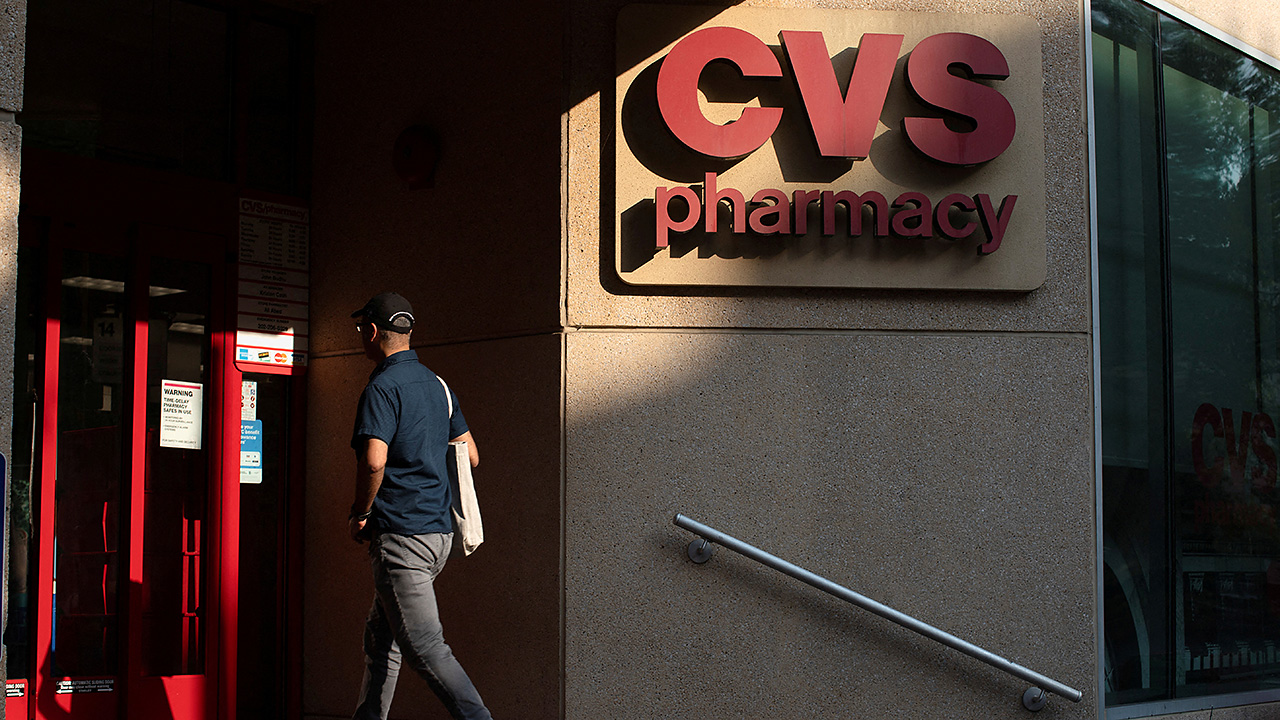
CVS Health announced plans to separate its retail pharmacy operations from its health insurance and pharmacy benefit management (PBM) businesses, creating two independent, publicly traded companies. The split is expected to be completed by the first half of 2028 and will temporarily leave the parent company holding the CVS Health name while the retail unit operates as CVS Pharmacy.
What the split will look like
- The healthcare solutions company will hold PBM and insurance assets, including Aetna, CVS Caremark, CVS Specialty, Oak Street Health and Signify Health.
- The CVS Pharmacy unit will include roughly 9,000 retail stores, the mail-order pharmacy business, MinuteClinic and the Health100 technology services unit.
- Existing CVS Health shareholders are expected to receive shares in both companies tax-free.
Immediate market reaction
The announcement rattled investors, with CVS shares falling sharply on the day the plan was revealed. Analysts and investors are parsing whether the separation will unlock shareholder value by segmenting a faster-growing, higher-margin healthcare services business from a lower-margin retail operation.
Why CVS may be splitting
There are two commonly cited strategic rationales:
- Unlocking shareholder value: Separating growth-oriented PBM and health insurance businesses from the retail pharmacy chain can make each company easier to value and manage independently.
- Regulatory and competitive pressures: Rising scrutiny of vertical integration — where PBMs, insurers and pharmacies operate under one roof — has prompted legislation in several states and attention from federal regulators. A split can be a preemptive move to reduce regulatory risk or to clarify business boundaries.
Implications for independent pharmacies and competition
Independent pharmacy representatives welcomed the announcement as a potential reset of competition. Douglas Hoey of the National Community Pharmacists Association (NCPA) said the split could improve market competition, patient access and drug pricing if the two companies operate as true, independent competitors. The argument is that separating the entities reduces the ability of one company to both set reimbursement rates and steer patients to affiliated pharmacies.
But NCPA and other observers have also warned that potential conflicts could persist — particularly if shareholders retain large stakes in both entities and economic incentives remain aligned across the split businesses.
What this means for specialty drugs and PBM operations
CVS indicated that CVS Specialty will remain with the healthcare solutions division, keeping lucrative specialty and mail-order operations — including medications for complex conditions and weight-loss drugs like GLP-1s — under the PBM/insurer umbrella. That arrangement means concerns about patient steering and rebate arrangements for high-cost drugs could continue to draw regulatory scrutiny.
Potential operational effects for retail stores
Analysts and industry sources suggest the standalone CVS Pharmacy may accelerate store rationalization. The company has closed underperforming locations in recent years, and as an independent retail company it may apply more focused metrics to determine store viability. While some closures could affect local access, CVS locations are often clustered near other pharmacies or healthcare providers, which may mitigate patient disruption in many areas.
Regulatory context and what to watch
- State laws: Several states have enacted or considered restrictions on PBMs owning pharmacies to limit conflicts of interest. Those laws and ongoing legal challenges will shape how the separated companies operate across different states.
- Federal oversight: Regulators, including the Federal Trade Commission (FTC) and Department of Justice (DOJ), have increased scrutiny of vertical integration and PBM practices. Any future probes or rulemaking could affect how the new companies compete and contract with pharmacies and insurers.
- Shareholder incentives: Watch proxy disclosures and governance arrangements that address cross-ownership, related-party transactions or agreements between the two companies. Those details will determine how independent the entities are in practice.
Investor and industry reaction
Investors may welcome simpler business models and clearer financial statements, but the market reaction will hinge on execution details: tax treatment, separation costs, transitional service agreements, and whether leadership teams and boards clearly delineate conflicts of interest. Industry groups representing independent pharmacies view the split cautiously optimistic but are calling for transparency and regulatory guardrails to ensure fair competition.
Bottom line
CVS’s planned separation is a major structural shift for the U.S. pharmacy and healthcare market. It could spur greater competition and clarity in how PBMs, insurers and retail pharmacies interact — but much depends on the legal structure of the split, how the two companies are governed, and how regulators respond. For patients, the key outcomes to watch are changes in prescription access, pricing transparency and whether specialty drug distribution remains concentrated under PBM control.
Sources & further reading
- Fox Business — coverage of CVS announcement and industry reaction
- CVS Health Investor Relations — company announcement and press materials
- National Community Pharmacists Association — industry perspective and statements
- Federal Trade Commission — information on competition and vertical integration enforcement
Note: This article synthesizes the company announcement and public commentary from industry groups and regulators. Details of the separation plan, regulatory reviews and financial terms will evolve as CVS finalizes the transaction and publishes definitive filings.