
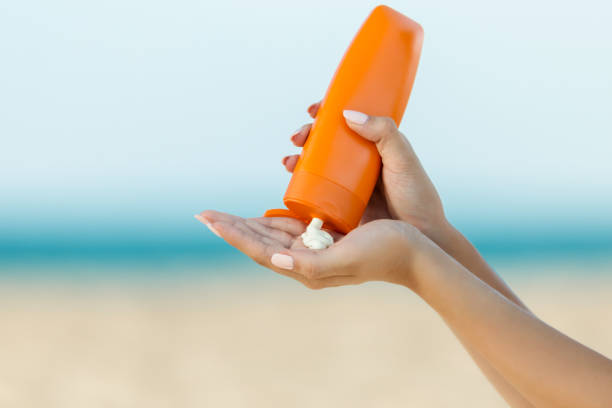
Americans now have access to a new chemical sunscreen active ingredient, bemotrizinol (often abbreviated BEMT), after the U.S. Food and Drug Administration cleared it for use this year. Manufacturers including major brands have begun rolling out formulas that contain BEMT, offering a new option that promises broad-spectrum UVA and UVB protection with fewer of the cosmetic and stability drawbacks found in some older chemical filters.
What bemotrizinol does and why it matters
BEMT is designed to absorb both UVA and UVB radiation, giving sunscreens true broad-spectrum coverage without needing to blend multiple chemical filters. Broad-spectrum protection is important because UVB is the primary cause of sunburn while UVA penetrates more deeply and is a major contributor to long-term skin damage and skin cancer risk.
Dermatologists and independent groups have noted that BEMT fills a gap in available chemical filters: it provides robust UVA filtration while avoiding the white-cast cosmetic issue often associated with mineral blockers such as zinc oxide and titanium dioxide. That can improve acceptability and adherence for people who dislike the feel or appearance of mineral sunscreens.
Safety and absorption
As with any chemical sunscreen ingredient, regulators evaluated whether the molecule is absorbed through skin and, if so, whether systemic levels raise safety concerns. The studies reviewed by the FDA indicated minimal systemic absorption of BEMT. Agency reviewers cited clinical studies provided by the manufacturer showing nearly undetectable levels in users and no widespread irritation or allergic reactions during up-to-three-week daily-use studies. Based on that evidence, the FDA classified the ingredient as generally recognized as safe and effective for use in sunscreens.
How BEMT compares with older chemical filters and mineral sunscreens
- Stability: BEMT is notably more photostable than some older UVA filters such as avobenzone, which can degrade in sunlight unless formulated with stabilizers.
- Absorption concerns: Some older chemicals — for example, oxybenzone — drew scrutiny after studies showed measurable systemic absorption. BEMT’s larger molecular size appears to limit penetration into the bloodstream, according to the clinical data reviewed in the FDA decision.
- Cosmetics and wearability: Unlike mineral sunscreens that can leave a white cast on darker skin tones, BEMT-based chemical formulations can deliver a more cosmetically elegant finish, potentially improving user acceptance.
Environmental questions remain
Scientists have identified certain sunscreen ingredients that can harm coral reefs and other marine life, prompting state-level restrictions in places such as Hawaii. While the European environmental agency has reported only limited evidence of environmental toxicity for BEMT so far, regulators and researchers say longer-term ecological studies are needed before declaring any sunscreen ingredient environmentally benign.
Practical guidance for sun protection
Dermatologists emphasize that sunscreen is one part of a comprehensive sun-protection strategy. Recommendations that remain unchanged:
- Choose a broad-spectrum sunscreen with an appropriate sun protection factor (SPF) for your planned exposure.
- Apply generous amounts to all exposed skin and reapply every two hours — sooner if swimming or sweating.
- Combine sunscreen with physical protections such as shade, sun-protective clothing, and wide-brimmed hats.
What to watch for next
Availability: Expect expanded product offerings containing BEMT from multiple brands across lotions, creams, and some cosmetic formulations.
Regulatory updates: The FDA continues to review other sunscreen ingredients; some currently used filters still require additional safety data before the agency can deem them generally recognized as safe and effective.
Environmental research: Longer-term studies on the marine impact of BEMT and other filters will influence local and national policy decisions and consumer labeling over time.
Sources
- Associated Press coverage on bemotrizinol and FDA approval
- U.S. Food and Drug Administration — Sunscreen Information
- Environmental Working Group — Sunscreen guide and analysis
- NOAA Ocean Service — Sunscreens and coral reef health
- DSM (manufacturer information on sunscreen actives)
Note: This article summarizes the regulatory and scientific context around bemotrizinol based on recent agency findings and public reporting. For individual medical advice about sun protection and product recommendations, consult a board-certified dermatologist.