
Overview
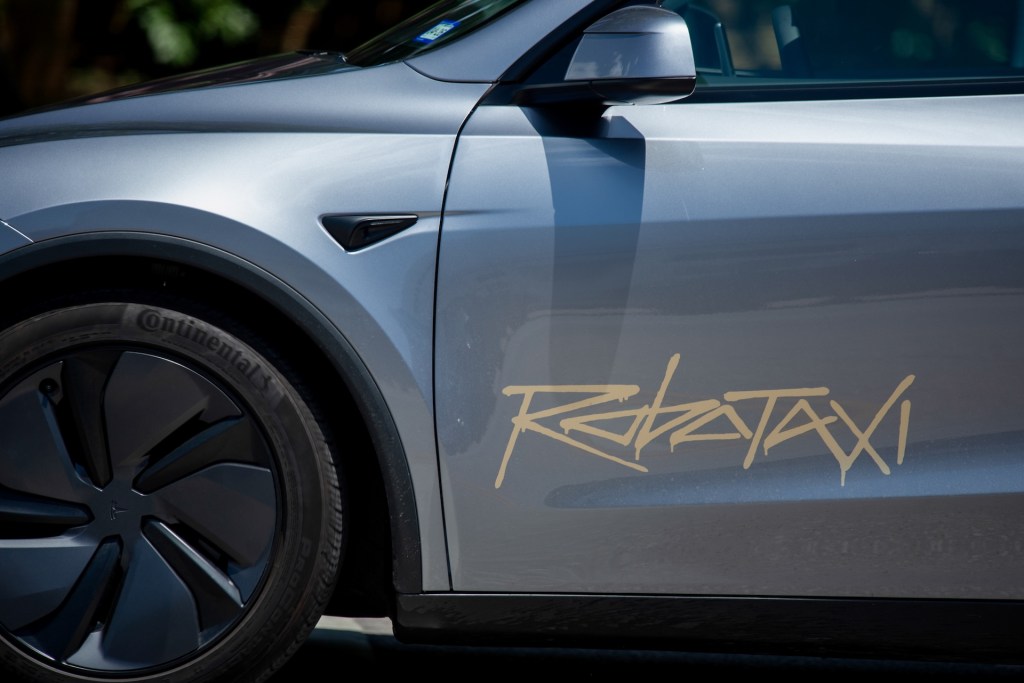
Tesla is moving forward with its robotaxi ambitions in Texas, with recent reports indicating the next rollout will mark the company’s fourth Texas city to see its autonomous ride-hailing service. The announcement — if confirmed by local and company sources — underscores Tesla’s continued push to move Full Self-Driving (FSD) technology from beta testing toward commercial deployment, and raises questions about safety oversight, local regulation, and ride-hailing economics.
What the reported expansion means
Adding a fourth Texas city to Tesla’s robotaxi map would be a significant step in the company’s stated strategy to scale a fleet-based autonomous service. Tesla’s public-facing material and Elon Musk’s repeated projections have framed robotaxis as a core element of the company’s long-term growth, both to monetize vehicles sitting idle and to convert owners into part of a ride-hail network.
For residents and local leaders, this expansion could bring benefits — increased transportation options, potential new jobs tied to fleet operations, and more data to improve autonomous systems — but it also sharpens scrutiny around how and when such systems operate on public roads.
Safety and regulatory landscape
National safety regulators and local authorities have already been closely watching Tesla’s driver-assistance and autonomy efforts. The U.S. National Highway Traffic Safety Administration (NHTSA) has conducted multiple reviews and investigations related to Tesla’s Autopilot and FSD features, and those oversight activities will likely intensify as Tesla moves toward commercial robotaxi operations. The federal safety framework for fully driverless services remains a mix of agency guidance and state-level rules, meaning deployments typically require coordination with state transportation agencies and local governments; in Texas that coordination often involves the Texas Department of Transportation and other state and municipal partners. (See NHTSA and Texas transportation resources for background.)
Operational considerations for a Texas rollout
Key factors that will shape the rollout in any Texas city include:
- Mapping and data density: Tesla’s software relies on detailed data from vehicles and cameras. City-scale deployment requires high-quality local mapping data and experience in diverse driving conditions.
- Weather and environment: Texas’ varied conditions — from coastal humidity to sudden summer storms — present real-world edge cases that autonomy stacks must handle robustly.
- Regulatory compliance: Local permits, operator licensing (if required), and compliance with consumer-protection rules will be essential for lawful operations.
- Public acceptance: Rider trust and clear communication about the capabilities and limitations of robotaxis are crucial to adoption.
Economic implications
If Tesla can scale a robotaxi fleet, the economic model could shift transportation markets by lowering marginal costs of rides in dense service areas and creating new revenue streams for vehicle owners or Tesla-operated fleets. Local gig-economy dynamics could change as ride-hailing operators adapt to an influx of autonomous vehicles.
Context and likely next steps
Expect the following in the near term:
- Official confirmation from Tesla or local city authorities clarifying the launch schedule and scope;
- Statements or guidance from state transportation regulators outlining permitting or testing requirements;
- Media and advocacy attention focusing on safety metrics, incident reporting, and consumer protections tied to robotaxi services;
- Operational updates from Tesla on fleet management, rider experience, pricing, and availability zones.
Where to follow reliable updates
For authoritative information, check Tesla’s own updates on its AI and autonomy work, national safety agency statements on vehicle automation, and local Texas transportation agencies for permitting or regulatory notices. Useful official and reporting sources include:
- Tesla — AI and Autonomy information
- U.S. National Highway Traffic Safety Administration (NHTSA)
- Texas Department of Transportation (TxDOT)
- Reuters — automotive and tech reporting
- The Verge — coverage of consumer tech and autonomy
Bottom line
The reported addition of a fourth Texas city to Tesla’s robotaxi rollout would be an important milestone in the company’s move toward commercial autonomous ride services. The development should be watched through three lenses: how well the technology performs in varied local conditions, how regulators and cities ensure safe operation and consumer protection, and how markets and communities adapt to the arrival of commercial robotaxis. Until Tesla or local authorities post detailed launch information and operational commitments, stakeholders should expect continued iteration, scrutiny, and debate around this emerging transportation mode.
Sources consulted for this summary include Tesla’s public autonomy materials, federal NHTSA guidance and statements on vehicle automation, reporting from leading news organizations covering automotive autonomy, and Texas transportation agency resources.