



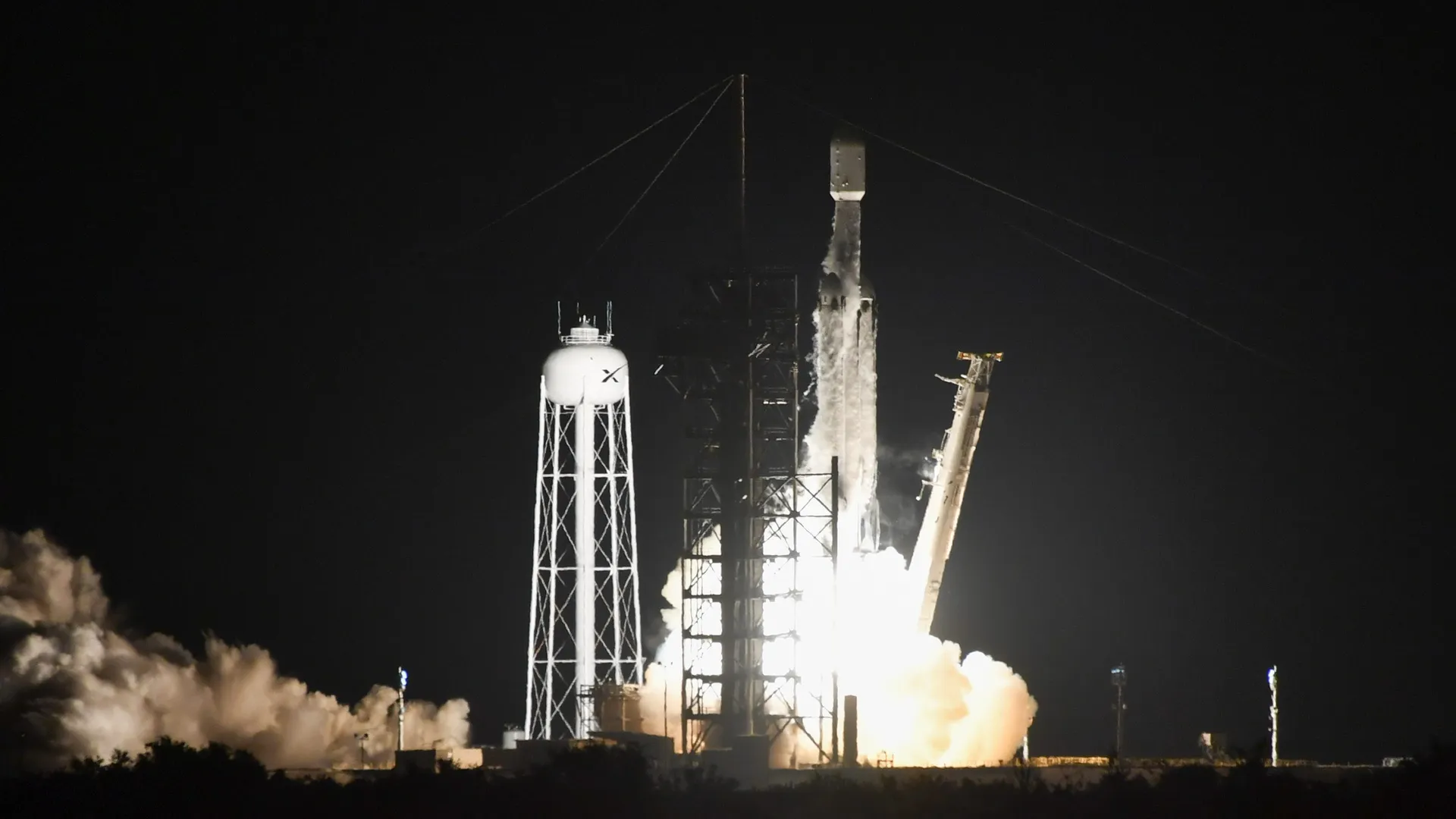
SpaceX had a very busy Thursday, pulling off something it had done only once before: it launched three rockets in less than 13 hours. That burst of activity underscores how quickly rocket operations have changed over the past decade — from single, highly concentrated missions to high-cadence, reusable operations that can support constellations, commercial customers and government missions on a near-continuous basis.
Why this matters
Three launches in under 13 hours is notable not just as a record of operational tempo but as a signal about maturity in several areas that define modern spaceflight:
- Reusability and rapid turnaround: Reusing boosters and standardizing pre-flight processes make fast turnarounds possible. SpaceX’s work on rapid refurbishment and standardized checklists has driven much of the industry’s shift toward higher cadence launches. See SpaceX’s overview of Falcon 9 capabilities for more on the reusability model: SpaceX — Falcon 9.
- Payload diversity: Modern launches often carry different kinds of payloads — small satellites, larger rideshare clusters like Starlink, or government hardware. That flexibility lets a single operator serve many customers in a short timeframe.
- Operational scale and supply chain: High cadence requires a resilient supply chain, streamlined ground operations, and plenty of human and automation resources. Industry reporting on launch cadence and infrastructure explains how companies scale this complexity: SpaceNews — Launch Cadence Coverage.
Impacts on Starlink, customers and the market
For Starlink and other constellation operators, frequent launches mean faster replenishment and expansion of networks. For commercial and government customers, a higher cadence reduces wait times and gives operators more flexibility in scheduling and orbital insertion windows.
At the same time, there are trade-offs. Accelerated flight schedules must be balanced with robust quality control and regulatory oversight. The Federal Aviation Administration and similar agencies worldwide are actively engaged in oversight as commercial launch traffic increases; for the FAA’s general framework on commercial space operations, see: FAA — Office of Commercial Space Transportation.
What enables such rapid operations
- Standardized vehicles and procedures: Using a workhorse vehicle like Falcon 9 (or equivalent) and standardized payload integration processes reduces variability.
- Turnaround innovations: Improvements in booster recovery (landings on droneships or land pads) and streamlined refurbishment workflows shorten time between flights. Industry commentary and technical analysis on these trends are available at outlets like Ars Technica and The Verge — Tech.
- Automated checkouts and telemetry: Modern telemetry systems and automated pre-launch checks reduce human bottlenecks and improve repeatability.
Risks and regulatory considerations
Higher cadence increases cumulative risk exposure — more launches mean more opportunities for anomalies. Regulators are watching cumulative debris risk, public safety, and airspace/sea safety corridors. Recent discussions on regulatory frameworks and safety processes can be found at NASA and regulatory reporting hubs: NASA, FAA.
What to watch next
- Whether SpaceX’s cadence remains steady or accelerates further — including more days with multiple launches.
- How competitors and international launch providers respond — increased cadence from one major operator often pressures others to optimize turnarounds and pricing.
- Regulatory updates tied to traffic management, spectrum use and debris mitigation as launch frequency grows.
Bottom line
Launching three rockets in less than 13 hours is an operational milestone that highlights the growing industrialization of spaceflight. It emphasizes the advantages of reusability, standardized processes and scale, while also underscoring the importance of continued attention to safety, regulatory oversight and long-term sustainability in orbit.
Sources and further reading
- SpaceX — Falcon 9 vehicle information: https://www.spacex.com/vehicles/falcon-9/
- SpaceX — Launches schedule and mission manifests: https://www.spacex.com/launches/
- SpaceNews — coverage of launch cadence, commercial space operations and industry analysis: https://spacenews.com/
- FAA — Office of Commercial Space Transportation (regulatory framework and guidance): https://www.faa.gov/space/
- NASA — commercial partnerships and policy context: https://www.nasa.gov/
- Ars Technica (space coverage and technical analysis): https://arstechnica.com/
- The Verge — technology and commercial space reporting: https://www.theverge.com/tech
Note: This article synthesizes operational context and industry reporting about high-cadence commercial launches and reusability. For mission-specific details (payload manifests, mission times and booster IDs) check the mission log on SpaceX’s official launch page linked above or real-time outlets that track individual launches.