




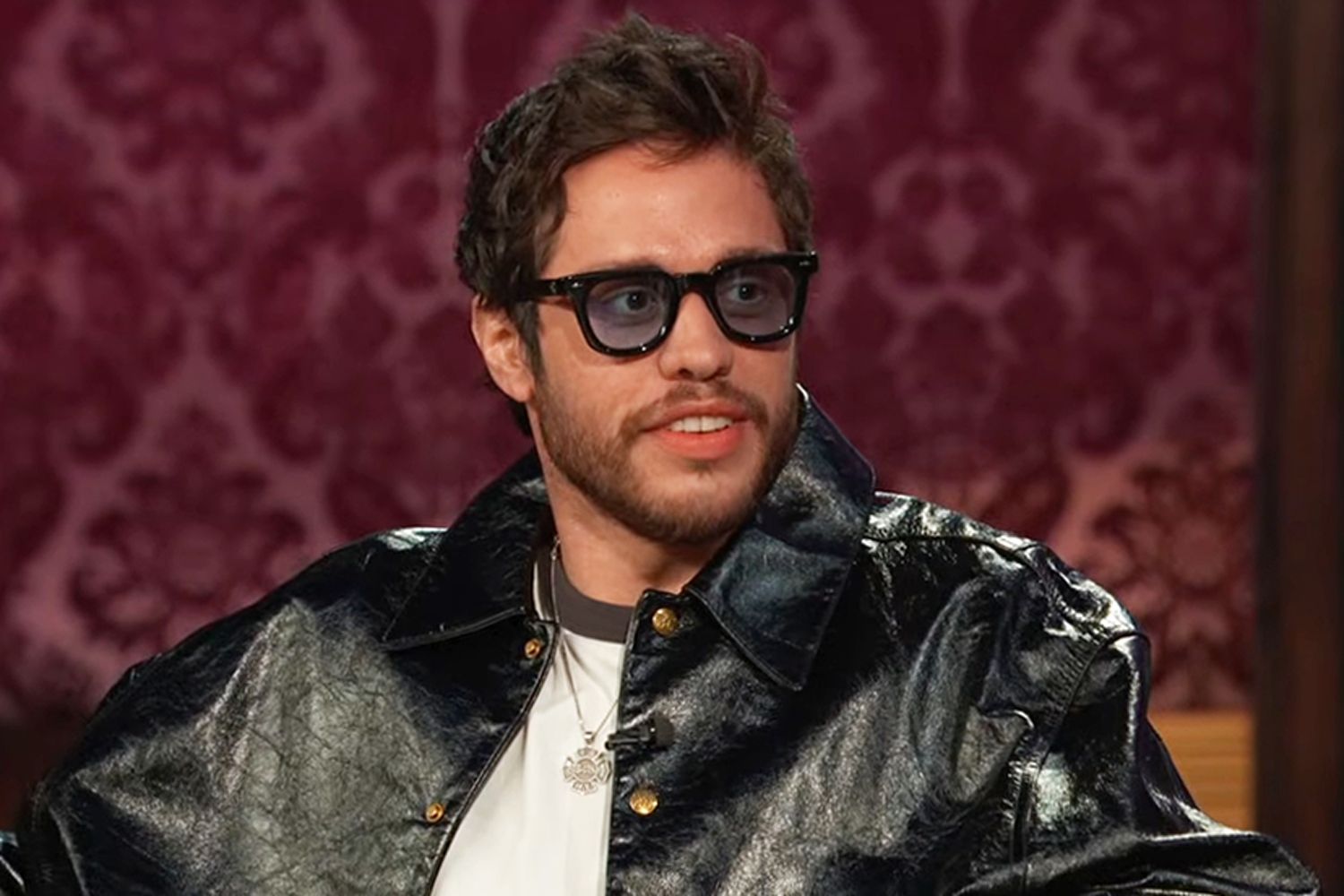
Pete Davidson Details Daily Drug Use, Rehab and the Role of Fatherhood
Pete Davidson has opened up about the period of heavy substance use that led him to check into rehab, and how becoming a father has helped keep him sober. In a recent profile, Davidson described daily use of multiple substances — including ketamine, LSD, psilocybin, nitrous oxide (whippets), cannabis and prescription pills — and said he ultimately recognized he could no longer live that way. According to Davidson, a phone call from his mother, Amy, and his work on the autobiographical series Bupkis helped spur a turning point. He says he has remained sober from hard drugs for years and limits alcohol to only a few beers a year.
What he said — and where he said it
Davidson’s comments were published as part of a profile in which he recounted that his drug use escalated until he felt “high when I wasn’t doing it,” prompting him to enter treatment. He told the outlet that while he’s had previous stints in rehab, the most recent time was the first he committed to for himself. He also emphasized that becoming a parent — welcoming daughter Scottie in December 2025 — has been a decisive factor in maintaining his sobriety.
Summary of the primary reporting: the profile and follow-up coverage appeared in major entertainment outlets that covered Davidson’s statements and family context (Variety, Entertainment Weekly, Interview Magazine).
Why this matters beyond celebrity headlines
Davidson’s story reflects several recurring themes in public conversations about addiction and recovery:
- Poly-substance use and escalation: Using multiple substances together or in rapid succession can accelerate dependence and complicate treatment. Public-health organizations note that poly-substance use increases overdose risk and makes clinical management more complex (National Institute on Drug Abuse).
- Turning points and readiness: Research on recovery emphasizes that readiness to change is a critical predictor of sustained recovery; interventions work best when the individual is motivated for themselves, not just to satisfy others (SAMHSA).
- Social supports and parenting: Family ties, particularly new parenting responsibilities, can be a strong motivator for people in early recovery, but they also create new stresses. Access to wraparound supports — counseling, peer recovery programs and family services — improves outcomes for parents in recovery.
Context: celebrities, stigma and public impact
When public figures talk candidly about addiction and treatment, it can have multiple effects: reducing stigma, encouraging people to seek help, and shaping public understanding of what recovery looks like. But celebrity recovery narratives also risk oversimplifying complex clinical realities — implying a single decision or turning point is sufficient for everyone. Evidence-based care usually involves a combination of behavioral therapies, social supports and, when appropriate, medication-assisted treatment.
Resources and further reading
- National Institute on Drug Abuse (NIDA) — science-based resources on substance use, treatment and recovery.
- Substance Abuse and Mental Health Services Administration (SAMHSA) — treatment locators, family resources and guidance on recovery supports.
- Centers for Disease Control and Prevention (CDC) — data on drug overdose trends and public-health recommendations.
- Profiles and reporting on Davidson’s statements in entertainment outlets: Variety, Entertainment Weekly, and Interview Magazine.
Bottom line
Pete Davidson’s account is an example of a high-profile recovery story that can help spotlight how complex and individualized the path to sobriety is — and how personal motivations such as family can be decisive. For those struggling with substance use, celebrity accounts may inspire help-seeking, but the best outcomes come from evidence-based treatment plans tailored to the individual’s needs and supported by clinical and social resources.