
Summary
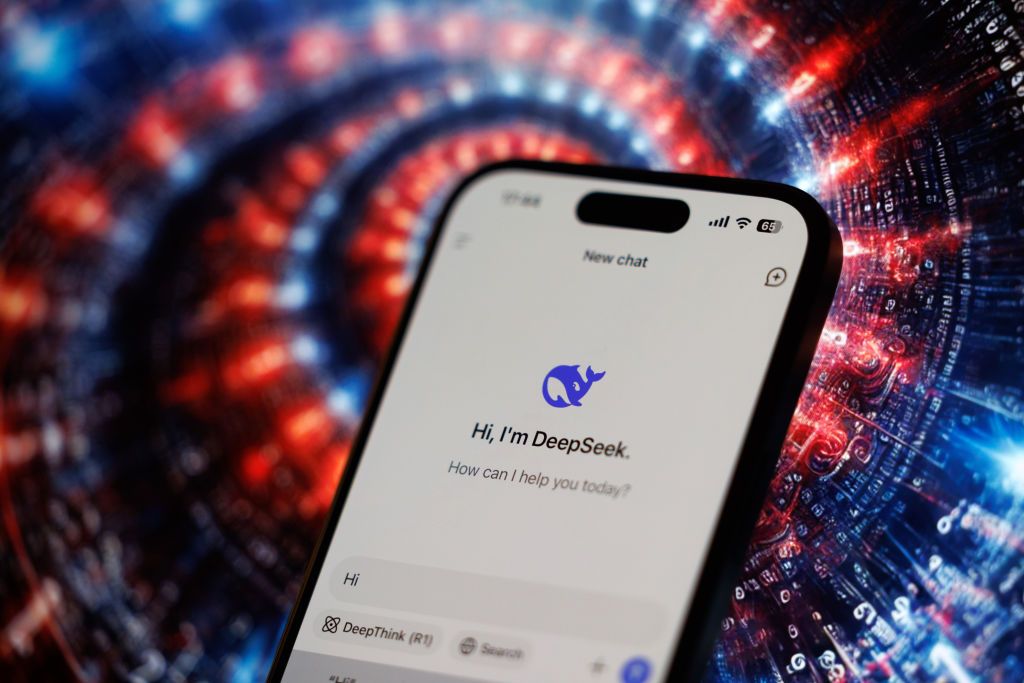
Federal civilian agencies have been ordered to remove DeepSeek products and any third-party services built on its technology after the U.S. government identified national security risks tied to the company’s software. The directive affects procurement, ongoing contracts, and agency use of tools that depend on DeepSeek’s models or infrastructure. Agencies have been told to inventory affected systems, cease further deployment, and expedite mitigation steps while the government conducts a review of the risks and next steps for secure alternatives.
What the order requires
- Immediate removal or disabling of DeepSeek-branded products from federal civilian devices and systems.
- Suspension or replacement of third-party services that rely on DeepSeek’s backend models or data pipelines.
- Agency-level inventories to identify affected applications, integrations, and supply-chain dependencies.
- Coordination with federal cybersecurity authorities to document mitigations and to report progress.
Why national security officials acted
Officials cited concerns common to high-risk AI and software suppliers: potential for covert data exfiltration, hidden dependencies in vendor supply chains, inadequate provenance of training data and models, and the possibility of foreign influence or control over critical model infrastructure. When a product sits inside dozens of agency workflows, even a minor covert capability can scale to broad exposure of sensitive data.
Context: How this fits with recent federal AI and software security policy
This action is consistent with the broader U.S. policy trend toward tighter controls around high-risk technology providers and AI systems. Key policy references and frameworks that guide federal decisions include:
- The White House’s Executive Order on the safe, secure, and trustworthy development and use of artificial intelligence, which sets priorities for risk assessments and procurement guardrails (whitehouse.gov).
- NIST’s AI Risk Management Framework, which federal agencies and vendors use to evaluate and document risk, transparency, and governance needs for AI systems (nist.gov).
- CISA guidance and resources on secure use and integration of AI and software components into critical systems (cisa.gov).
Immediate operational and procurement implications
For agencies and contractors, the order will likely mean:
- Rapid audits of software bills of materials (SBOMs) and third-party dependencies to find indirect use of DeepSeek tech.
- Acceleration of migration plans to vetted vendors or on-premises/self-hosted alternatives where feasible.
- Requests for emergency contract modifications and possible bids for replacement services.
- Increased scrutiny of acquisitions in the near term, including more stringent certification and attestation requirements for new AI vendors.
Industry and market impacts
Vendors that integrate DeepSeek as a component or offer managed services built on its models may face contracting disruptions, rapid loss of federal revenue, and reputational damage. Broader market effects could include short-term provider consolidation as agencies move to larger, more vetted suppliers, and renewed demand for vendors that can demonstrate robust provenance, explainability, and strong operational security.
Longer-term governance and technical lessons
This episode highlights three lessons that will influence federal and commercial AI adoption going forward:
- Supply-chain transparency matters: Agencies and enterprise customers will insist on verifiable software bills of materials and clearer attestations about model training data and hosting.
- Operational control and isolation: Self-hosting, private-model deployments, or strict network isolation will become more common where data sensitivity is high.
- Stronger procurement guardrails: The federal acquisition process will embed AI risk assessments, security certifications, and ongoing monitoring as standard conditions for vendors.
What agencies and vendors should do now
Recommended immediate actions for agencies:
- Follow the removal directive, document affected assets, and report status to the central coordinating authority identified in the order.
- Use SBOMs and dependency scanners to find indirect uses of the affected technology.
- Prioritize replacement or containment for systems handling sensitive, classified, or personally identifiable information.
- Engage legal and procurement teams to manage contract modifications and ensure continuity of essential services.
For vendors and integrators:
- Communicate transparently with customers about dependencies and mitigation steps.
- Accelerate options for customers to transition away from affected components, including migration plans and data export tools.
- Invest in attestations, independent security assessments, and demonstrable provenance for models and data.
Potential follow-ups from the federal government
Expect the government to pursue several parallel tracks:
- Technical review of DeepSeek’s architecture and supply chain to assess the precise nature of the risk.
- Regulatory or policy responses to close procurement gaps that allowed high-risk components to be integrated without sufficient vetting.
- Guidance for agencies and industry on safe remediation, including whether certain classes of AI services should require on-premises deployment or continuous attestation.
Conclusion
The removal order is a reminder that rapid AI adoption needs to be paired with robust governance, supply-chain visibility, and operational security. For federal agencies the directive is immediate and operationally disruptive; for industry it is a clear signal: providers must prove safety, provenance, and control before their products become embedded in critical public systems.