
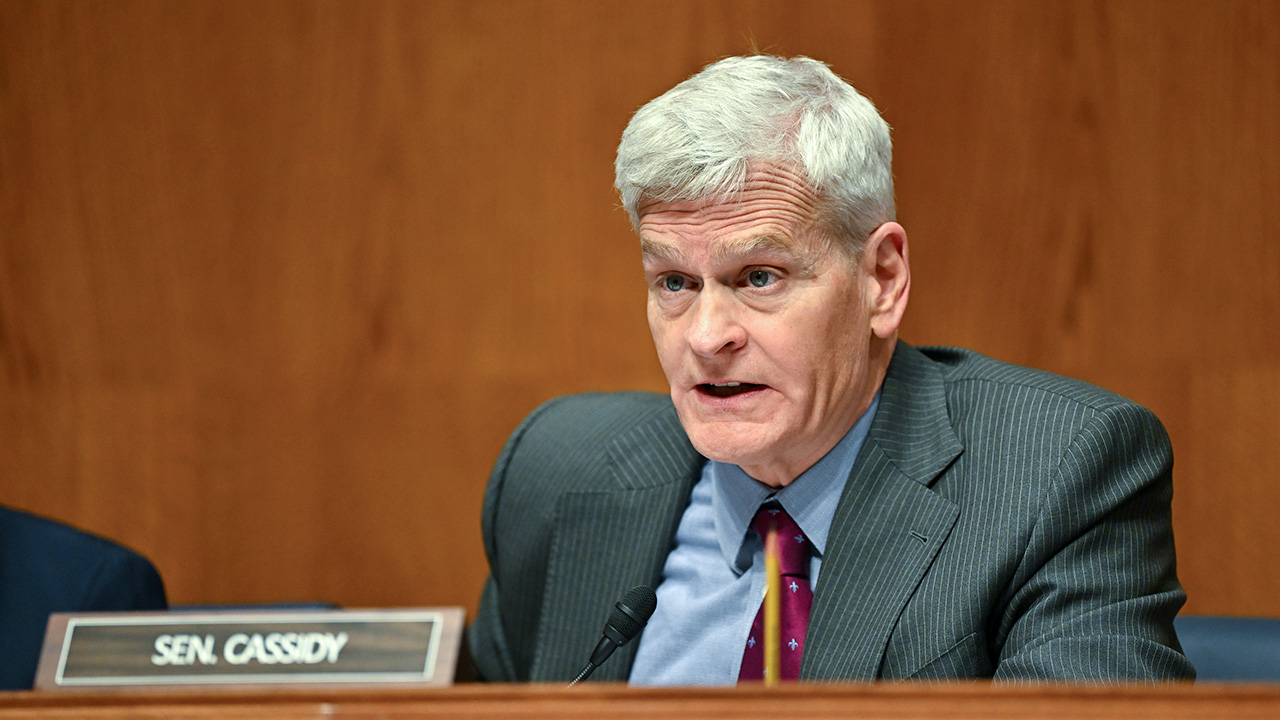
Sen. Bill Cassidy’s new proposal to lower Americans’ healthcare costs lands at the intersection of public policy and healthcare reform, but its clearest fit is in Health because the central issue is affordability, insurance design, prescription costs, and patient access to care.
Why This Story Matters Now
Healthcare affordability has become one of the most pressing concerns for U.S. households. Cassidy’s plan would use advanceable tax credits to pre-fund health savings accounts, helping families pay deductibles and other out-of-pocket expenses before medical bills become a crisis. The idea reflects a broader national debate over how to reduce healthcare costs without fully restructuring the insurance system.
That debate is intensifying as policymakers, insurers, drugmakers, and employers all face pressure from persistently high medical spending. According to the Centers for Medicare & Medicaid Services, U.S. national health spending is projected to continue rising faster than the broader economy over the next decade. Meanwhile, patients remain burdened by deductibles, co-pays, and prescription costs even when they have insurance coverage.
The Bigger Healthcare Cost Story in 2026
Recent healthcare reporting shows that affordability remains a defining issue across multiple fronts. Prescription drug pricing is still a major focus as the federal government implements Medicare drug price negotiation provisions under the Inflation Reduction Act, a process the U.S. Department of Health and Human Services has said will reduce costs for some seniors, though political and legal challenges continue. At the same time, hospitals and insurers are under scrutiny over pricing transparency rules that have been unevenly enforced, an issue documented by KFF.
Another key pressure point is insurance premiums and cost-sharing in the employer and individual markets. KFF’s annual employer health benefits research has consistently found that family coverage premiums remain high, while workers also absorb substantial deductibles and other out-of-pocket obligations. Those combined costs help explain why proposals like Cassidy’s are gaining attention: many Americans are not uninsured, but they still feel financially exposed when they actually need care.
How Cassidy’s Proposal Fits Into the National Debate
Cassidy’s approach is built around consumer-directed healthcare. Supporters of this model argue that if patients have better access to pricing information and more money set aside in HSAs, they can make smarter choices, compare providers, and reduce wasteful spending. Critics, however, argue that healthcare is not always a normal consumer market. In emergencies, patients often cannot shop around, and lower-income families may still struggle even with tax-based assistance.
The proposal also arrives amid renewed policy interest in food labeling, prevention, and chronic disease management. Public health experts have increasingly linked long-term costs to preventable conditions such as obesity and diabetes. The Centers for Disease Control and Prevention continues to warn that chronic diseases are among the leading drivers of death, disability, and healthcare spending in the United States. If Cassidy’s labeling ideas gain traction, they could become part of a wider push to connect healthcare affordability with prevention rather than treatment alone.
Latest Developments Shaping the Health Landscape
Beyond Capitol Hill, several other healthcare stories are helping define the moment. The World Health Organization has continued emphasizing the growing global burden of noncommunicable diseases, reinforcing the economic importance of prevention and early intervention. In the U.S., health systems are still dealing with workforce shortages, especially in primary care and nursing, which can drive up costs and worsen access. The Association of American Medical Colleges has warned that physician shortages are likely to persist, adding another layer of pressure to an already expensive system.
Meanwhile, healthcare technology and digital tools are increasingly being promoted as cost-saving solutions. From price-comparison apps to telehealth platforms, the promise is that better information can produce better decisions. Yet results remain mixed, and experts caution that technology alone cannot solve structural affordability problems rooted in provider pricing, pharmaceutical costs, and insurance complexity.
What Comes Next
Cassidy’s plan is unlikely to be the last proposal aimed at easing the squeeze on patients. As the election cycle sharpens voter attention on healthcare, lawmakers in both parties will be under pressure to show they have practical answers to rising premiums, drug prices, and out-of-pocket burdens. The political question is whether targeted reforms like pre-funded HSAs can win enough support to move forward, or whether the conversation will shift back toward more sweeping reforms.
For now, the Cassidy proposal highlights a reality that cuts across ideology: Americans may technically have coverage, but many still do not feel financially protected when they go to the doctor, fill a prescription, or face an unexpected diagnosis. That gap between having insurance and being able to afford care is why healthcare remains one of the most urgent stories in the country.
Sources
- Fox Business – GOP senator proposes advance tax credits to tackle rising out-of-pocket healthcare costs
- CMS – National Health Expenditure Projections
- HHS – Medicare Drug Price Negotiation Update
- KFF – Hospital Price Transparency
- CDC – About Chronic Diseases
- WHO – Noncommunicable Diseases Fact Sheet
- AAMC – Physician Shortage Projections