



Hantavirus outbreak on cruise ship prompts fresh public health questions
A BBC News health video featuring Lucy Woodham has drawn attention to an outbreak of hantavirus linked to a cruise ship, with audiences asking an understandable set of questions: What exactly is hantavirus? How serious is it? How does it spread? And what does an incident like this say about health monitoring in travel settings?
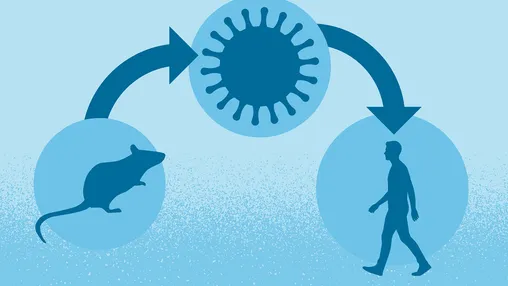
While cruise-related outbreaks usually bring norovirus to mind, hantavirus is a very different kind of health story. Hantaviruses are typically associated with rodents, and human infection most often happens through contact with infected rodent urine, droppings, or saliva, especially when contaminated particles become airborne and are inhaled. According to the U.S. Centers for Disease Control and Prevention, the disease can cause severe illness, including Hantavirus Pulmonary Syndrome in the Americas, which can rapidly become life-threatening.
What health authorities say about hantavirus
Public health agencies stress that hantavirus does not usually spread person-to-person in most strains seen in North America and many other regions, though there have been limited exceptions documented elsewhere. The World Health Organization notes that hantaviruses are found worldwide and can cause different syndromes depending on the strain, including hemorrhagic fever with renal syndrome in Europe and Asia, and pulmonary disease in the Americas.
Typical early symptoms can include fever, fatigue, muscle aches, headaches, dizziness, chills, and abdominal problems. As the illness progresses, some patients can develop coughing and shortness of breath as the lungs fill with fluid. The NHS and CDC both emphasize that early medical attention is important, especially when respiratory symptoms follow a possible exposure.
Why a cruise ship case is drawing attention
A cruise ship is an unusual setting for a hantavirus headline, which is precisely why the story has gained traction. Experts generally associate hantavirus exposure with cabins, sheds, barns, campsites, and other enclosed spaces where rodents may have nested. In a maritime environment, the key public health question is likely not whether cruise travel itself inherently raises hantavirus risk, but whether a specific contamination point, supply area, storage section, or shore-linked exposure created conditions for infection.
That distinction matters. A cruise ship outbreak can sound alarming, but disease investigators typically look for a concrete chain of exposure rather than assume broad risk across all passengers. This is standard outbreak work: identify the pathogen, isolate the exposure window, examine environmental conditions, and determine whether the cases are clustered around a common source.
The bigger health story in 2026: travel, outbreaks, and preparedness
This incident lands at a time when infectious disease preparedness remains under intense scrutiny. Around the world, health systems are still balancing old lessons from Covid-era surveillance with more routine but still disruptive disease threats tied to travel, climate, food systems, and animal exposure. The broader trend is clear: outbreaks no longer need to be massive to become globally relevant. A small cluster in a confined setting can quickly spark international concern because modern travel compresses distance and amplifies uncertainty.
Recent public health reporting has increasingly focused on the way travel hubs, hospitality environments, and shared accommodations manage infection prevention. Agencies such as the European Centre for Disease Prevention and Control and the CDC continue to highlight the importance of surveillance, environmental hygiene, rapid case identification, and transparent communication when unusual illnesses appear in group settings.
What travelers should know right now
For most travelers, hantavirus remains rare. But rare does not mean irrelevant. The practical advice is straightforward:
- Avoid contact with rodent droppings, nesting materials, or poorly ventilated spaces that may be contaminated.
- Do not sweep or vacuum suspected rodent waste dry, as this can push infectious particles into the air.
- Follow official instructions for cleaning potentially contaminated areas using disinfectant and protective gear.
- Seek prompt medical advice if fever, fatigue, and breathing symptoms develop after a possible exposure.
The CDC provides detailed guidance for prevention and safe cleanup on its hantavirus information pages. These measures are especially relevant for maintenance crews, hospitality workers, transport staff, and anyone working behind the scenes in storage or service areas, where rodent exposure risks may be easier to overlook than in public-facing spaces.
Why communication matters as much as containment
One of the most important lessons from any outbreak is that clear communication can reduce panic without minimizing risk. When health officials explain what is known, what is still being investigated, and what symptoms people should watch for, the public is better equipped to respond rationally. That is part of why explainer journalism like the BBC segment matters: it turns a frightening headline into actionable understanding.
In this case, the outbreak is a reminder that public health is not only about hospitals and labs. It is also about environmental safety, workplace procedures, travel oversight, and trust. A virus associated mainly with rodents has become a cruise ship headline not because the science has changed, but because the places where health risks emerge are often more complex than people expect.
Sources: