




Recent college graduates entering the workforce are facing a more complicated job market than many expected, but a new study suggests opportunity is still very much available — just not evenly distributed across the country.
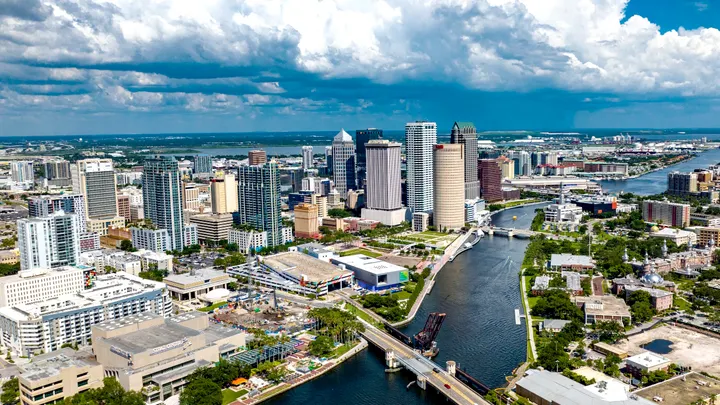
According to an ADP analysis highlighted by The Wall Street Journal, Southern metros including Birmingham, Alabama, and Tampa, Florida, are emerging as some of the best places for young degree holders to begin their careers. The study compared 53 large U.S. metro areas using a mix of hiring strength, wages, and affordability for workers in their 20s with college degrees.
Why Birmingham and Tampa Are Standing Out
Birmingham ranked especially well because it delivered a rare balance: strong hiring, competitive wages, and relatively affordable living costs. Tampa, meanwhile, surged because of its exceptional hiring environment, even though its affordability and wage metrics were less impressive.
That combination matters in today’s economy. For many graduates, the first job is no longer just about salary — it is about where that salary can still stretch, and where openings actually exist. In that sense, the ADP findings reflect a broader economic reality: labor market cooling does not mean opportunity has vanished, but it does mean young workers may need to be more flexible about geography.
A Uneven Recovery for Entry-Level Workers
The broader backdrop is a labor market that is still growing, but at a slower and more selective pace. ADP recently reported that private payrolls rose by 109,000 in April, a figure that came in above expectations but still pointed to moderation compared with stronger periods of hiring in previous years. Fox Business covered that report here: Private sector added 109,000 jobs in April, above expectations, ADP says.
At the same time, the national employment picture remains relatively resilient. The U.S. Bureau of Labor Statistics continues to show a labor market that has not collapsed, but one in which hiring is cooling and competition for white-collar and entry-level roles has become more intense. That is particularly relevant for recent graduates, many of whom are discovering that a diploma alone no longer guarantees a quick start.
The Rise of Southern Opportunity Hubs
Beyond Birmingham and Tampa, several Southern cities placed prominently in the rankings, including Raleigh, Nashville, Charlotte, and Tulsa. Their presence points to a longer-running economic shift in which population growth, corporate relocations, lower taxes in some states, and a comparatively lower cost of living have helped fuel regional job growth.
This pattern has also shown up in migration and housing data. The U.S. Census Bureau has repeatedly documented population gains across many Southern metros in recent years, while companies in finance, healthcare, logistics, advanced manufacturing, and professional services have expanded their footprints in these areas.
For graduates, that means the old assumption that career success must begin in legacy powerhouse cities like New York, San Francisco, or Boston is becoming less reliable. Those cities still offer prestige and deep employer networks, but affordability pressures can make early-career life much harder.
The Affordability Factor Is Becoming Central
One of the most revealing details in the ADP study is that not every high-ranking city excelled on every metric. San Jose, for example, rose sharply in the rankings despite weak affordability. That tells us some graduates are still chasing high-growth markets tied to sectors like technology, even if housing costs are punishing.
But in practical terms, affordability may be the deciding factor for many in the class of 2026. Student loan obligations, elevated rents, and slower wage growth are all forcing young professionals to weigh cost of living more carefully than prior generations did. Data from the Federal Reserve and reporting from outlets such as CNBC and Reuters have repeatedly underscored how inflation and housing costs continue to shape household decisions, especially for younger Americans.
What This Means for the Class of 2026
The takeaway is not simply that Southern cities are winning. It is that the job market for new graduates is becoming more strategic, more regional, and more dependent on real-world trade-offs.
A city with slightly lower starting pay may offer a better quality of life if rents are manageable and hiring is robust. Conversely, a famous job market may not be the best first move if wage gains are overwhelmed by living costs. That makes local economic conditions — not just job title or brand-name employer appeal — increasingly important.
Recent graduates and soon-to-be graduates may need to widen their searches, target emerging metro areas, and think in terms of long-term career mobility rather than immediate prestige. If these trends hold, Birmingham, Tampa, Raleigh, and similar cities may become not just alternatives to traditional coastal hubs, but primary destinations for ambitious young workers.
Sources
Fox Business: Southern cities dominate rankings of best job markets for new college graduates
The Wall Street Journal
ADP
U.S. Bureau of Labor Statistics
U.S. Census Bureau
Federal Reserve