

What happened
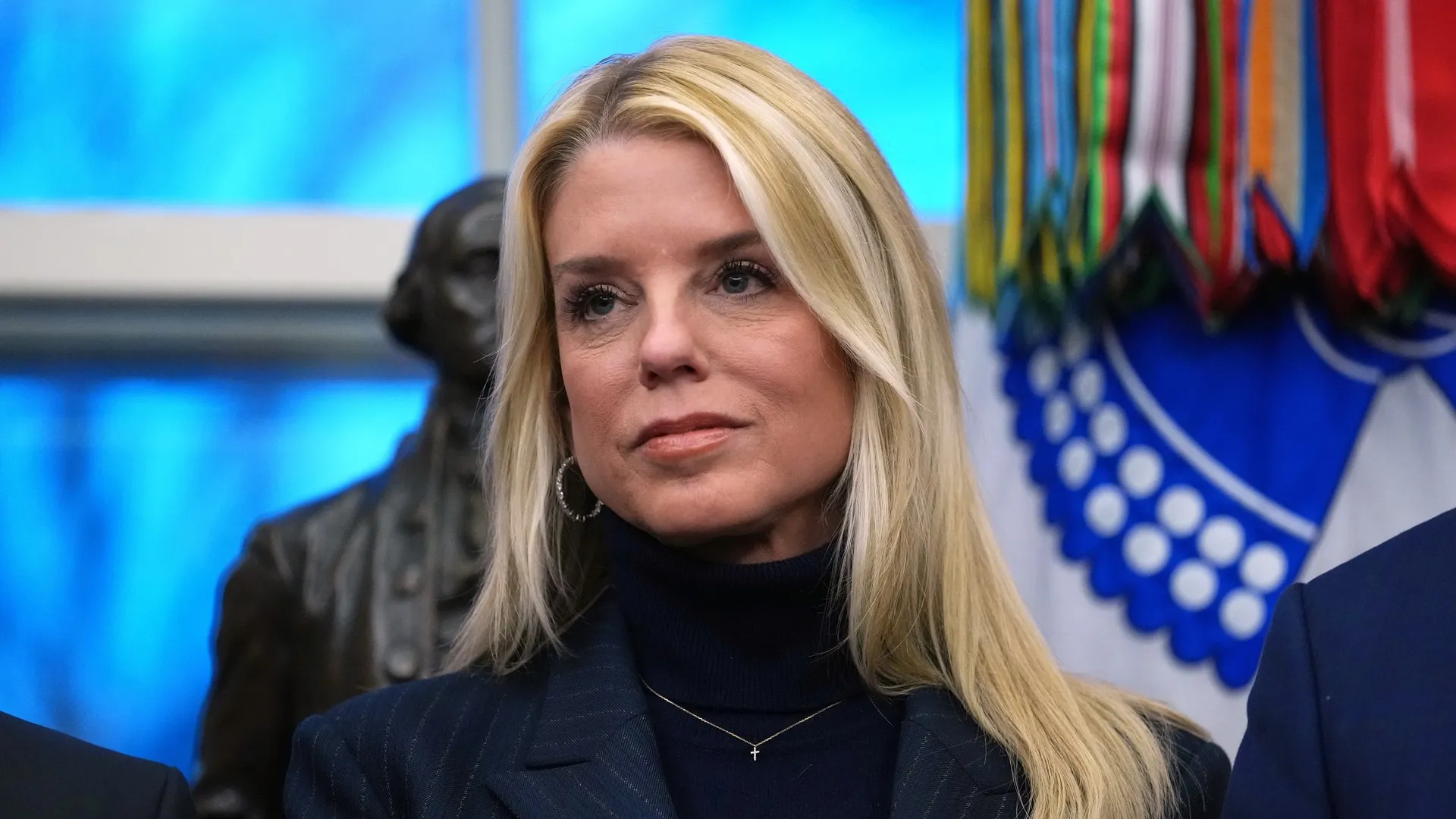
Former Florida Attorney General Pam Bondi appeared before the House Oversight Committee as lawmakers pressed the Department of Justice (DOJ) about how it handled the release of records connected to Jeffrey Epstein and Ghislaine Maxwell. Unlike other witnesses in the committee’s inquiry, Bondi was not being questioned about any personal ties to Epstein; instead, members focused on the Justice Department’s decisions and communications while she served as attorney general, including statements about a purported “client list,” the timing and completeness of disclosures, and the Department’s compliance with recently enacted transparency requirements.
Timeline and key developments
- Early statements: Shortly after taking office, Bondi told a reporter that a “client list” tied to Epstein was “sitting on my desk right now to review.” She later clarified she was referring more broadly to materials connected to Epstein and his crimes.
- DOJ response: The Department of Justice later issued a memo saying there was no discrete “client list” and that further disclosure would not be appropriate, language that produced confusion and bipartisan pressure for more transparency.
- Political pressure and legislation: Continued scrutiny from members of both parties — and public pressure — led to Congress passing what has been called the Epstein Files Transparency Act in November, which directed the DOJ to make its files on Epstein and Maxwell public within a specified window.
- Staggered releases: The DOJ missed the statute’s initial deadline and instead released millions of pages of records in batches; media reporting has placed the number of pages released at roughly three million, while noting additional material remains sealed to protect survivors and ongoing investigations.
- Bondi’s delayed testimony: Bondi’s interview with the committee was originally scheduled for April 14 but was canceled after she was removed from office by then-President Donald Trump. The committee later rescheduled, arguing that her departure did not eliminate the need to question her about the DOJ’s conduct while she was serving as attorney general.
What lawmakers want to know
Oversight members are focused on several interrelated questions:
- Did DOJ officials provide accurate, complete information to Congress and the public about what documents existed and why certain materials remained sealed?
- Was there any inappropriate delay or political interference in releasing files, and if so, who directed or influenced those decisions?
- How did the Department balance transparency with obligations to protect survivors’ privacy and avoid compromising ongoing investigations?
Legal and policy stakes
The hearings touch on competing principles: the public’s interest in government transparency and accountability versus legal protections for victims and prosecutorial integrity. Key legal and policy stakes include:
- Grand jury secrecy: Many documents related to federal investigations are protected by grand jury rules and other confidentiality norms; releasing them can risk re-traumatizing survivors or undermining active probes.
- Statutory mandates: Where Congress has directed disclosure by law, the DOJ’s compliance and any claimed exemptions will invite legal and political scrutiny.
- Precedent for future cases: How the government handles high-profile transparency demands could set expectations for disclosure in other investigations involving sexual abuse or national figures.
Political implications
The hearings are politically charged. Members of both parties have criticized the DOJ’s handling at different moments, but partisan narratives differ over whether delays constituted protectionism, negligence, or necessary caution. Bondi’s role is especially sensitive because any public statements she made while in office — and communications with the White House or other officials — are now subject to congressional review.
What to watch next
- Whether the Oversight Committee uncovers internal DOJ communications that clarify the timeline and rationale for release decisions.
- Any recommendations or referrals from the committee for additional investigation, including possible criminal referrals for obstruction or mishandling of records.
- Further releases from the DOJ and whether courts entertain challenges seeking additional unsealing to reconcile transparency with victim protections.
Context and why it matters
The Epstein and Maxwell prosecutions exposed a sprawling network of abuse and many questions about how powerful people were connected to that network. How the DOJ and other institutions handle records from those investigations affects survivors’ ability to see the government accounting for its actions, shapes public trust in the justice system, and defines what transparency looks like when criminal investigations and victim privacy collide.
Further reading and sources
This article synthesizes reporting and public materials about the DOJ’s releases and congressional oversight. For more detailed, ongoing coverage and primary documents, see:
- CBS News — reporting on DOJ releases and page counts
- U.S. Department of Justice — official statements and released documents
- House Committee on Oversight and Accountability — subpoenas, witness testimonies, and letters
- The New York Times — investigative coverage and timelines
- The Washington Post — analysis and reporting on political and legal dimensions
- Reuters — breaking coverage and summaries
If you plan to publish this piece on a live site, you may want to update the links above with direct URLs to the committee filings, DOJ releases, and the specific news articles most relevant to the hearing dates and exhibits released after this draft.