
Overview
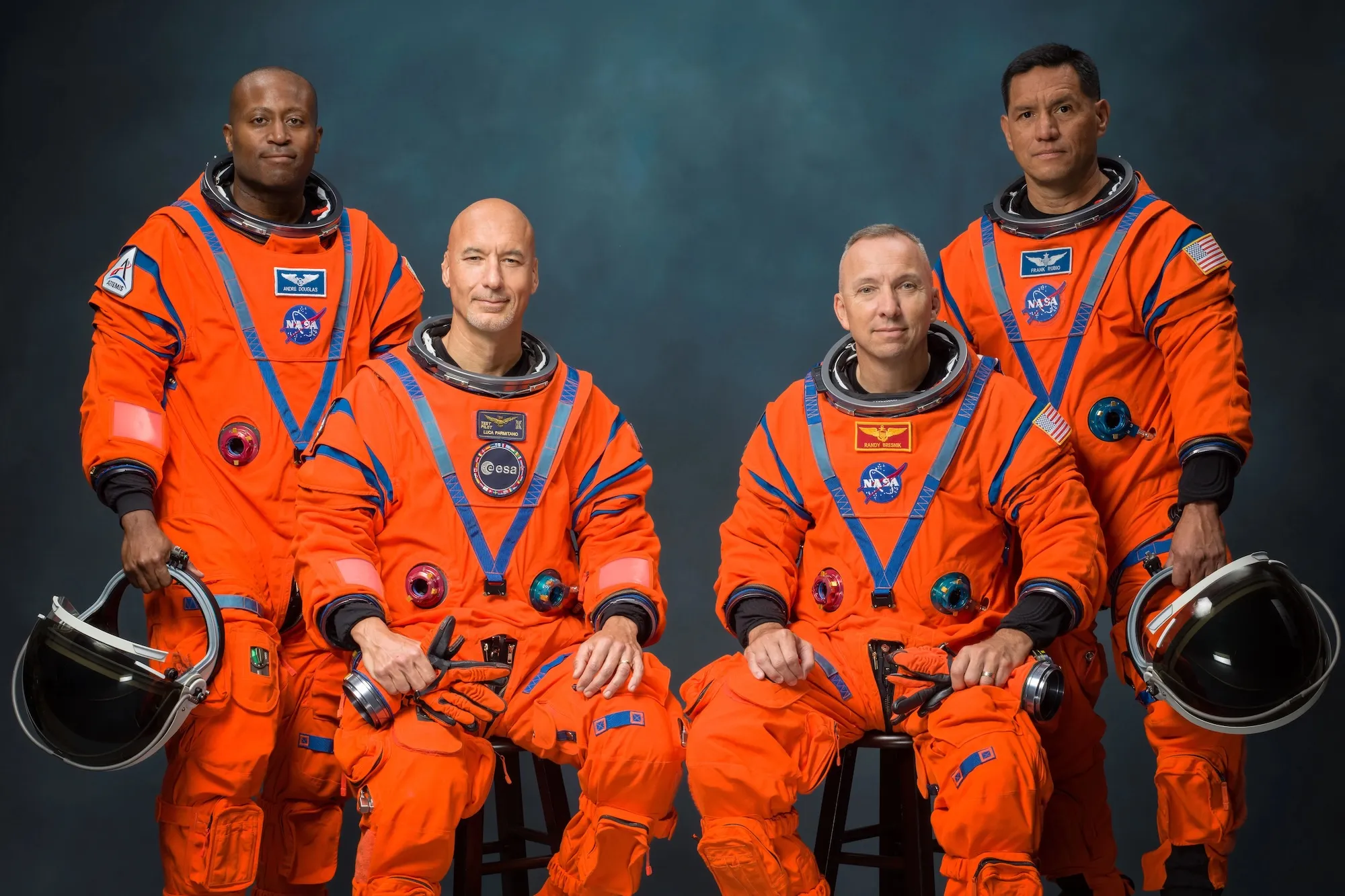
NASA’s next phase of crewed lunar exploration will include multi-person missions that rely on a tight-knit, highly trained team. One of the four roles commonly assigned to those crews is the mission specialist — an astronaut trained to operate spacecraft systems, conduct science and payload operations, and support the commander and pilot during complex mission phases. As NASA advances Artemis-era flights and prepares for human trips around and back to the Moon, the mission specialist role remains central to mission success.
What a mission specialist actually does
- Systems and procedures: Mission specialists are expected to know the Orion spacecraft systems, emergency procedures, and the operational checklists for flight phases from launch to reentry. They often run or cross-check critical system activations and troubleshooting.
- Science and payload operations: On lunar missions, mission specialists frequently lead or support science objectives, operating experiments, remote sensing instruments, or communication payloads.
- Extravehicular activity (EVA) and robotics: Depending on mission plans and individual qualifications, a mission specialist may train for EVAs, robotic arm operations, or suit/airlock procedures on future lunar surface missions or station stays in cislunar space.
- Crew resource management: They are an integral part of decision-making, workload distribution, and the human factors that keep four-person crews effective during long, demanding mission timelines.
Where this fits in the Artemis-era architecture
The Artemis program uses the Space Launch System (SLS) rocket and the Orion spacecraft to transport astronauts beyond low Earth orbit. Orion provides the crew module that will house the four-person crew for deep-space transit, life support, and reentry. The European Space Agency (ESA) contributed the Orion service module, a critical element that supplies propulsion, power and life-support functions to the crewed vehicle.
For future lunar surface missions, NASA has also partnered with commercial providers for lunar landers — notably selecting SpaceX’s Starship-based human landing system in earlier procurement steps. The Artemis architecture therefore combines government systems (SLS and Orion), international contributions (e.g., ESA), and commercial lander services to accomplish return-to-the-Moon objectives.
Program status and timeline realities
Artemis has made steady technical progress, but the program has also faced schedule shifts and the typical uncertainties of complex, human-rated spaceflight. Timelines for crewed missions in the mid-2020s have been adjusted in response to technical tests, integration work and extra verification needed for safety. That means mission specialists currently in training are preparing for a rolling timeline that emphasizes readiness over rushing to a specific launch date.
Training and selection — what mission specialists are preparing for now
Training for a mission specialist in lunar missions includes spacecraft systems simulations, emergency procedures rehearsal, long-duration human factors and physiological preparation, robotics and payload operations, and in many cases cross-training for other crew roles. Because Orion missions are longer and further from Earth than typical low-Earth-orbit flights, the training emphasizes autonomy, problem solving and maintaining crew performance under longer isolated conditions.
Why the mission specialist role matters beyond the flight itself
Mission specialists are often the bridge between technical objectives and human execution. They ensure experiments return usable data, they translate ground-based procedures into crew actions, and they support real-time troubleshooting when communications are delayed or constrained. On lunar missions where opportunities for human intervention are limited and stakes are high, those capabilities are mission-critical.
Challenges and the road ahead
Key challenges for mission specialists and the Artemis program include: keeping schedules aligned across government, international and commercial partners; ensuring Orion-SLS and lander systems are fully integrated and tested; and maintaining crew training and morale while schedules evolve. Addressing these requires continued investment in simulations, test flights and cross-organizational rehearsals.
Conclusion
As NASA progresses toward sustained human operations in cislunar space and eventually on the lunar surface, the mission specialist will remain one of the core roles on multi-person lunar flights. Their systems expertise, science operations skills and capability to manage real-world problems in deep space make them indispensable to the success of high-stakes missions to the Moon.