


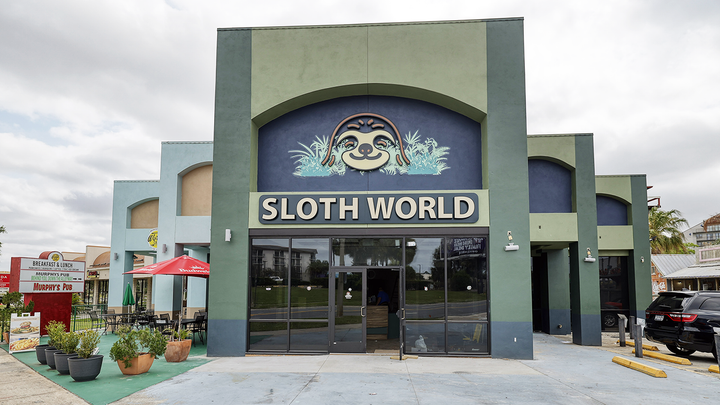
Florida wildlife officials have temporarily banned the importation of sloths after a wave of deaths tied to an Orlando-area attraction raised serious questions about the exotic animal trade in the United States.
State moves after deaths at Sloth World
The Florida Fish and Wildlife Conservation Commission (FWC) signed an executive order Wednesday imposing a 60-day pause on sloth imports. The action followed revelations that the planned Orlando attraction known as Sloth World relinquished its permits after a fatal outbreak and widespread animal deaths.
According to reporting from FOX Business, at least 69 wild-caught sloths had been imported for the facility’s proposed “Slotharium” exhibit. More than 30 died before the attraction ever opened, and additional rescued animals later died after being transferred for emergency treatment. Florida officials said the problem appears isolated to Sloth World, but the state’s order could have implications far beyond one facility because Miami is a major gateway for sloth imports into the U.S.
Why this matters beyond one Florida case
This is more than a local animal welfare story. It also exposes the economics and regulatory gaps behind the exotic wildlife business. Wildlife groups including the Sloth Conservation Foundation, The Sloth Institute and PETA argue that the deaths reveal how demand for exotic attractions can create incentives to import vulnerable animals into facilities that may not be equipped to care for them.
The surviving sloths reportedly cannot be returned to the wild because their precise origins are unknown, raising conservation and disease concerns. That means some of these animals may now spend decades in managed care. For critics of the trade, that reality underscores the long tail of commercial wildlife decisions: even after a facility closes, the burden of care and cost remains with zoos, sanctuaries and regulators.
A broader trend: regulators are under pressure
The Florida action arrives at a time when state and federal agencies are facing wider scrutiny over wildlife trafficking, disease prevention and animal transport standards. The U.S. Fish and Wildlife Service and other agencies have increasingly warned that wildlife trade can create both conservation and biosecurity risks, especially when supply chains stretch across borders and involve animals taken from the wild.
Although this case centers on sloths, the policy debate reaches much further. Regulators are being asked whether current permit systems are sufficient, whether import disclosures are transparent enough, and whether roadside-style attractions create perverse incentives that undermine animal welfare.
The business angle behind the controversy
For investors, operators and local tourism markets, the story is a reminder that animal-based attractions carry reputational and regulatory risk. A venue marketed as a family-friendly draw can quickly become a liability when oversight failures emerge. Public backlash, legal complaints and emergency veterinary transfers can impose costs that far outweigh any anticipated ticket revenue.
That is why this case belongs firmly in the business conversation. It reflects how consumer-facing enterprises built around novelty experiences increasingly face questions not just about profitability, but about sourcing, ethics and long-term sustainability. In today’s environment, “can we build it?” is no longer enough; companies also have to answer “should we?”
What to watch next
Several developments could shape the next phase of this story:
- Whether Florida extends its temporary import pause or moves toward more permanent restrictions.
- Whether federal lawmakers or agencies pursue tighter oversight of exotic animal imports.
- Whether enforcement actions or cruelty investigations are brought against facility operators.
- How accredited zoos and animal care institutions manage the surviving sloths over the long term.
For now, Florida’s emergency action has become a flashpoint in a much larger debate: where the line should be drawn between commercial entertainment and the welfare of wild animals.
Sources:
FOX Business
Sloth Conservation Foundation
The Sloth Institute
PETA
U.S. Fish and Wildlife Service