


Waymo Recall Highlights a Key Safety Challenge for Autonomous Vehicles
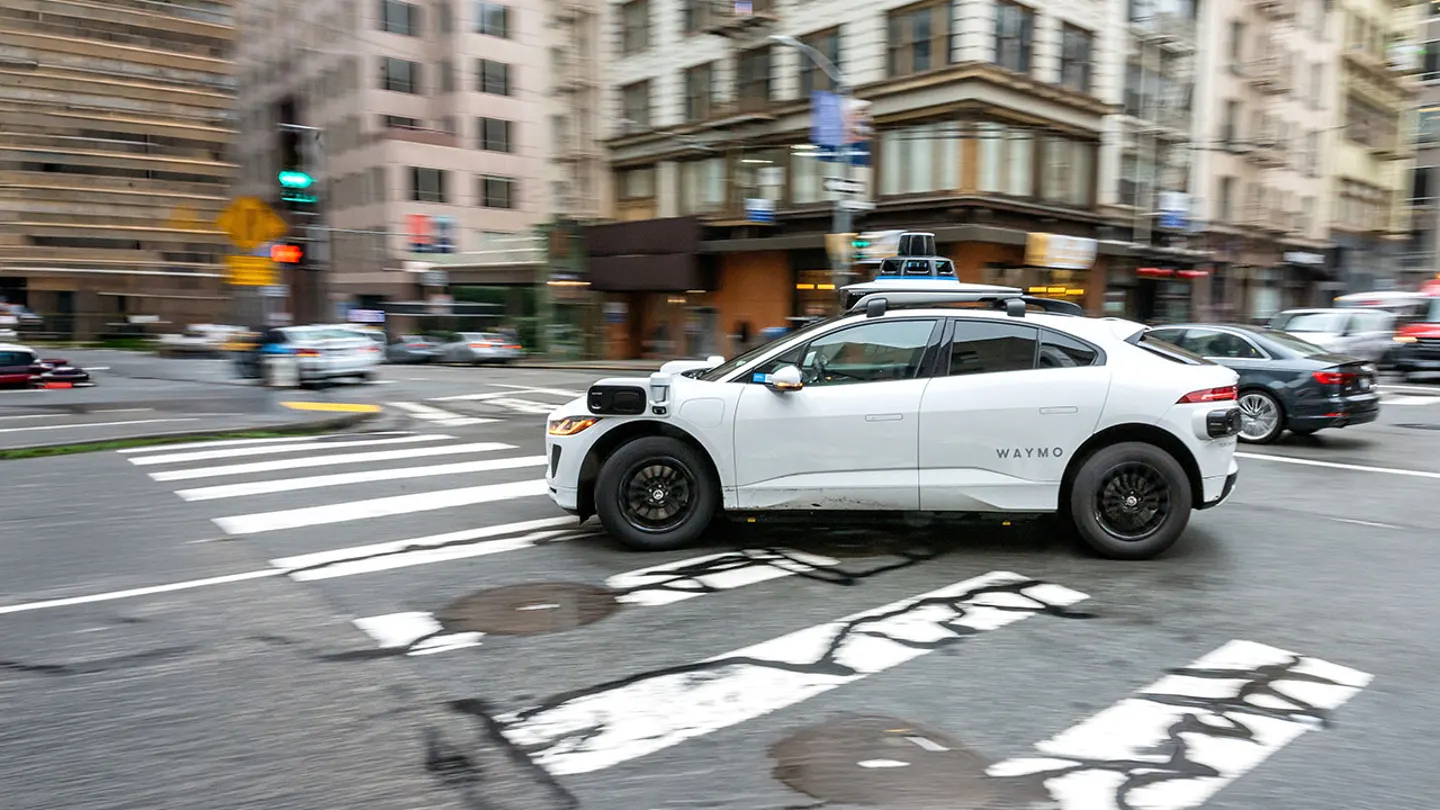
Waymo is recalling 3,791 autonomous vehicles after federal regulators identified a defect that could create a significant safety risk in flooded road conditions. According to the National Highway Traffic Safety Administration, some Waymo robotaxis equipped with the company’s 5th- and 6th-generation Automated Driving Systems may slow down when approaching standing water on higher-speed roads but fail to come to a complete stop.
The issue gained attention after an April 20 incident in which an unoccupied driverless vehicle encountered an untraversable flooded section of roadway with a 40 mph speed limit. Regulators warned that entering a flooded roadway can lead to loss of vehicle control, raising the risk of a crash or injury. Because Waymo owns and operates the entire affected fleet, the company was able to deploy an interim software fix quickly, without waiting for traditional owner notifications.
According to the NHTSA, the recall affects vehicles built between March 17, 2022, and April 20, 2026. The agency’s report said regulators estimate the defect rate at 100% for the recalled systems. Waymo initiated the recall on April 24 after implementing software and mapping restrictions four days earlier to reduce the risk of similar incidents in bad weather.
Why This Matters for the Broader AV Industry
The recall is notable not just because of the scale of the affected fleet, but because it underscores a persistent challenge for the autonomous vehicle sector: edge cases. Driverless systems can perform impressively in routine urban conditions, yet rare or fast-changing scenarios such as floodwater, emergency detours, heavy smoke, or unusual construction zones continue to test the limits of artificial intelligence behind the wheel.
Waymo remains one of the most advanced autonomous driving companies in the U.S., operating commercial services in cities including Phoenix, San Francisco, Los Angeles and Austin. The company has also signaled expansion plans into additional markets, including Chicago, reflecting continued confidence in long-term robotaxi growth. Still, safety recalls like this one show that even the industry’s leaders must continuously retrain, refine and update their systems as real-world conditions reveal new vulnerabilities.
This issue also arrives at a time when scrutiny of automated driving technology is intensifying across the industry. Federal regulators have closely examined advanced driver-assistance and self-driving systems from multiple companies, including Tesla’s Autopilot and Full Self-Driving branding, as well as autonomous testing practices more broadly. In that context, Waymo’s rapid response may help its credibility, but the recall adds another data point to the debate over how quickly autonomous vehicles should scale.
Latest Tech Context: Regulation, Trust and the Race to Scale
The latest technology story here is bigger than a single recall. Across the autonomous vehicle industry, the central question is no longer whether the technology works in ideal settings; it is whether it can handle unpredictable real-world hazards safely enough to earn public trust and satisfy regulators.
Recent reporting from Reuters and TechCrunch has shown that AV developers are increasingly focusing on operational design domains, the specific conditions under which self-driving systems are allowed to function. That means weather, road type, visibility, traffic complexity and mapping quality all matter. The Waymo recall is a reminder that these boundaries are not just technical details; they are the front lines of safety policy.
At the same time, autonomous ride-hailing remains a major area of investment. Alphabet continues backing Waymo as one of the clearest commercial contenders in robotaxis, while competitors in the U.S. and China are racing to expand deployments. Yet every recall or regulatory probe has the potential to slow adoption by raising new concerns among city officials, riders and lawmakers.
From a business and technology perspective, Waymo’s ability to push an immediate software remedy across a centrally owned fleet may actually offer a glimpse into one advantage of the robotaxi model. Unlike consumer-owned vehicles that require mailed recall notices and service appointments, fleet-owned autonomous vehicles can often receive updates quickly and uniformly. That does not remove the seriousness of a defect, but it can reduce the time between discovery and mitigation.
The Bigger Picture
For now, Waymo’s flooded-road recall looks less like a catastrophic setback and more like a revealing stress test for autonomous driving maturity. The company moved quickly, regulators documented the risk, and the affected software was updated across the fleet. Even so, the incident reinforces a basic truth about self-driving technology: progress depends not just on innovation, but on transparency, oversight and the willingness to correct problems in public.
If robotaxis are going to become a normal part of city transportation, companies will need to prove they can handle the messy, irregular and sometimes dangerous conditions that human drivers face every day. Flooded roads may seem like a narrow scenario, but in autonomous driving, safety is often defined by how a system performs in exactly those uncommon moments.
Sources:
National Highway Traffic Safety Administration (NHTSA)
Reuters
TechCrunch
Waymo