




The Los Angeles County Department of Medical Examiner has determined that actress Daveigh Chase died of acquired immunodeficiency syndrome (AIDS), with chronic polysubstance use listed as a significant condition. The ruling comes after initial reports and family statements describing a period of serious illness, hospitalization and instability in the months before her death.
What officials and family members have said
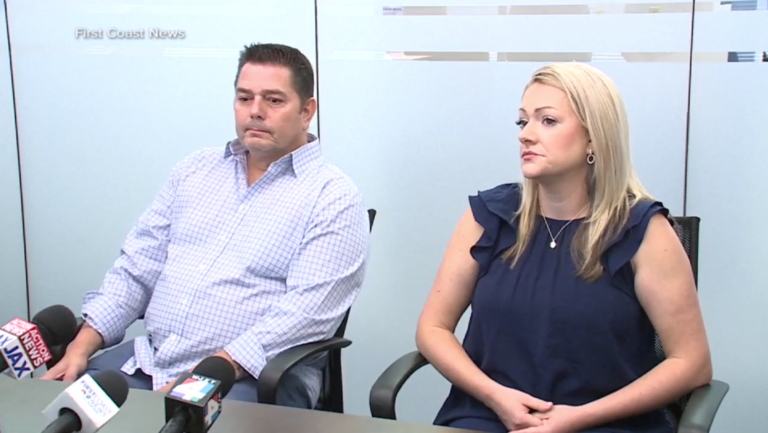
Chase’s estranged father, John Schwallier, told the California Post that the cause of death “doesn’t surprise” him, citing her long struggle with substance use and years apart from the family. Chase’s mother previously spoke to the Daily Mail about concerns that Chase had been “seeking drugs and … partying with the wrong people.”
Media reports have also included statements from Chase’s boyfriend, Roy Hernandez, who told TMZ that Chase had been hospitalized earlier in the month for malnutrition and complications including meningitis and a blood infection. Hernandez launched a GoFundMe shortly before her death, saying doctors had given a terminal diagnosis and that Chase wanted to spend her remaining time out of hospital care.
A producer who worked with Chase in the later stage of her career told Entertainment Weekly that she disappeared after missing a meeting with a high-profile director, which contributed to concerns about her well-being in the months before she died.
Her career and public recognition
Daveigh Chase was best known for her voice work in Disney’s Lilo & Stitch and for portraying the eerie Samara in the horror hit The Ring. She also had roles in films such as Donnie Darko and provided voice work in Studio Ghibli’s Spirited Away. Her death at 35 has prompted an outpouring of grief from fans and peers who remember her early success and memorable performances.
Context and analysis: HIV/AIDS, homelessness and substance use
The medical examiner’s ruling highlights how HIV-related illness can intersect with substance use and social instability. Antiretroviral therapy (ART) has transformed HIV for many people into a chronic, manageable condition when diagnosed early and treated consistently. Public health agencies stress that interruptions in care, lack of access to medication, homelessness and substance use can all contribute to progression to AIDS and to poorer outcomes overall (see resources from the CDC).
People experiencing homelessness face multiple barriers to consistent HIV care, including lack of stable storage for medication, difficulty attending frequent medical appointments, and competing priorities such as securing food and shelter. Harm reduction services, low-barrier HIV treatment programs and integrated behavioral health supports are proven approaches to improve outcomes for people living with HIV who also experience substance use disorder or housing instability (CDC: HIV & Homelessness).
Why this matters beyond one case
High-profile deaths like Chase’s put a spotlight on the systems that either support or fail vulnerable people: access to affordable care, stigma that delays testing and treatment, and the need for integrated services that address medical, behavioral health and housing needs together. While medical advances make HIV a manageable condition for many, social determinants of health still drive preventable deaths.
Reporting and sources
This summary draws on reporting from the Los Angeles County Department of Medical Examiner, and contemporary news accounts including Entertainment Weekly, TMZ, and the Daily Mail, as well as background public-health information from the Centers for Disease Control and Prevention. For updates from the coroner’s office, see the Los Angeles County Department of Medical Examiner-Coroner.
Resources
If this reporting raises concerns about HIV or substance use for you or someone you know, consider these resources: the CDC HIV fact sheets, local public health departments that can help with testing and treatment referrals, and community organizations that provide harm reduction and housing support services.