
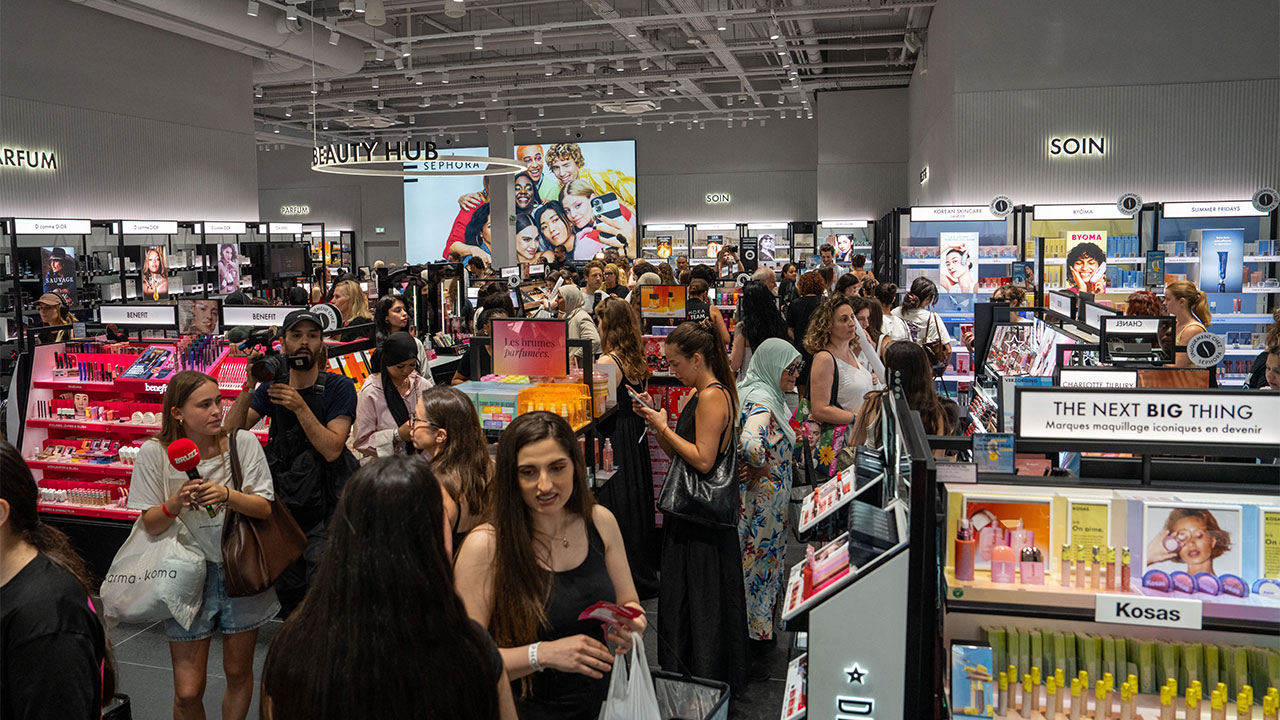
Sephora is expanding a sensory-friendly shopping initiative — branded as “quiet hours” — to all of its U.S. stores after a pilot program in 32 locations. During designated quiet hours, the retailer will lower music volume, reduce or simplify in-store digital displays, and minimize strong scents to create a calmer environment for shoppers with sensory sensitivities, including many neurodivergent customers. Sephora developed the program with input from disability advocacy organization Open Inclusion and consultancy Purposeful Futures.
What the program does and what’s still undecided
Quiet hours reduce common in-store sensory triggers: loud music, flashing or moving digital content, and strong fragrances from testers or product displays. Sephora confirmed that it has not yet announced a nationwide schedule for quieter shopping periods, leaving timing and local rollout details to individual stores or future communications from the company.
Industry context: other retailers testing sensory-friendly hours
Sephora’s move follows similar initiatives from other major retailers. Walmart permanently introduced daily sensory-friendly hours nationwide after testing the concept in 2023, turning off overhead music, dimming lights where possible and displaying static images on in-store TVs during those times. Target and Toys “R” Us have tested or hosted quiet-hour events at select locations. Beyond retail, family-entertainment brand Chuck E. Cheese has run monthly “Sensory Sensitive Sundays” at participating locations since 2016, opening earlier with reduced lighting and sound for families who benefit from calmer environments.
Why this matters: accessibility, customer experience and business strategy
Operationally, quiet hours are a relatively low-cost change (adjusting music, screen content and scenting practices) that can make stores meaningfully more welcoming to customers with autism, ADHD, sensory processing differences, PTSD, migraines and related conditions. For retailers, the program serves both customer service and strategic aims:
- Inclusivity: Creates a practical accommodation that improves access to in-person shopping.
- Revenue and loyalty potential: Makes stores more appealing to a broader group of customers and caregivers who may otherwise avoid busy or overstimulating shopping environments.
- Employee experience: Reduces stress for staff who may also be sensory sensitive and can improve associate retention and morale.
- Brand differentiation: Signals values-driven positioning that can strengthen brand perception among accessibility-minded consumers.
Operational and communication considerations for retailers
To make quiet-hour programs effective and sustainable, retailers should consider:
- Clear scheduling and promotion: Publish regular quiet-hour times on store pages, apps and at entrances so customers can plan visits.
- Staff training: Equip employees to communicate about accommodations and offer support without making shoppers feel singled-out.
- Consistent execution: Standardize what “quiet hours” mean (music off, screens static, scents minimized) so expectations are met across locations.
- Feedback loops: Collect ongoing input from neurodivergent customers, caregivers and advocacy groups to refine the program.
- Measurement: Track usage, customer satisfaction and any incremental sales lift to justify resource allocation and expansion.
Customer perspective
For shoppers who benefit from quieter environments, these changes can remove real barriers to in-person retail. Families and individuals who previously relied on online shopping for sensory reasons may find themselves returning to stores when retailers adopt predictable, well-communicated quiet hours. Until Sephora releases a national schedule, customers should check local store pages or contact nearby locations for timing details.
Looking ahead
Quiet hours are part of a broader shift toward inclusive retail design that balances commercial goals with accessibility. As more retailers test and adopt these practices, industry standards and customer expectations will likely evolve — potentially encouraging more consistent policies, improved signage and better staff training across chains.
Sources and further reading
- Fox Business coverage summarizing Sephora’s announcement and retail context: https://www.foxbusiness.com/
- Sephora official site (company updates and store information): https://www.sephora.com/
- Walmart corporate news and background on its sensory-friendly hours: https://corporate.walmart.com/
- Chuck E. Cheese information on Sensory Sensitive Sundays: https://www.chuckecheese.com/
- Open Inclusion (disability advocacy organization referenced by Sephora): https://openinclusion.org/
- Purposeful Futures (consultancy cited by Sephora): https://purposefulfutures.com/