



Quick overview
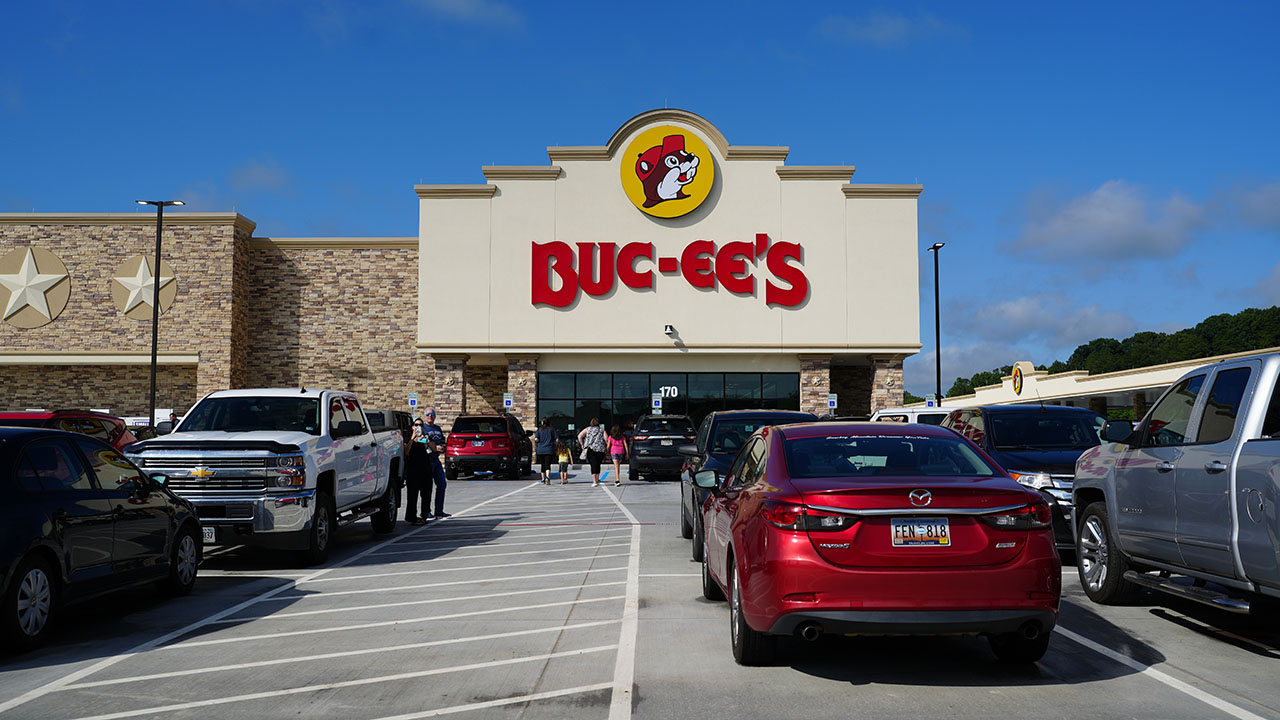
Texas-born travel-center chain Buc-ee’s opened its first Arizona location in Goodyear and has an aggressive multi-year expansion plan that will add at least 15 more travel centers across the U.S. in the coming years. The Goodyear site — a 74,000-square-foot, 24/7 travel center with 120 fuel pumps — injected hundreds of jobs into the local market and drew heavy opening-week traffic, while the company’s published pipeline lists additional openings through the end of the decade.
The Goodyear opening and what it means
The Goodyear store’s size and operating model are typical of Buc-ee’s strategy: oversized retail and fueling footprints, an emphasis on convenience and cleanliness, and a destination mindset that turns a gas stop into a road-trip attraction. According to local and national coverage, the new location created more than 200 jobs and was expected to attract tens of thousands of vehicles around opening day. That level of demand brings clear economic upside for local tax receipts and ancillary businesses, but it also raises near-term traffic, infrastructure and public-safety considerations for city planners and transportation officials.
Where Buc-ee’s is expanding next
The company has publicly listed a slate of openings stretching through 2026, 2027 and beyond, including additional stores scheduled in Texas, Arkansas, Tennessee, Louisiana, Florida, Georgia, North Carolina and Kentucky. That multi-year pipeline reflects Buc-ee’s larger growth play: turning a regional cult favorite into a national convenience-and-fuel brand with destination stores on major travel corridors.
Business strategy and competitive landscape
Buc-ee’s growth rests on several clear advantages:
- Scale: very large stores with broad merchandise assortments and many fuel pumps reduce congestion and create one-stop convenience for long-haul travelers.
- Brand differentiation: the chain has built an unusually strong identity (clean facilities, proprietary snack lines, and a loyal customer base) that allows it to draw visitors from outside typical convenience-store trade areas.
- Real-estate selectivity: locating on primary travel corridors where long-distance and leisure traffic is concentrated, capturing both commuter and destination customers.
Those strengths have helped Buc-ee’s differentiate from traditional convenience-store chains and national fuel brands. However, scaling also brings operational challenges: hiring and training hundreds of employees per new location, managing supply chains for large-format stores, and coordinating with local governments on traffic and permitting.
Local impacts and pushback
Communities welcoming Buc-ee’s can expect a mix of outcomes: short-term construction jobs and long-term retail employment, plus increased sales-tax revenue. Simultaneously, planners must contend with higher traffic volumes at interchanges and potential strain on local road networks. Some residents around prior openings have raised concerns about congestion and environmental impacts; local authorities often negotiate infrastructure improvements or developer-funded traffic mitigations as part of approvals for large travel-center projects.
Labor market and operational considerations
Opening a Buc-ee’s location typically means recruiting and onboarding a large frontline workforce. In many markets that has translated to hundreds of roles across hourly retail and maintenance positions and salaried management. For hiring markets with tight labor supplies, Buc-ee’s must compete on wages, scheduling, and retention programs. On the operational side, maintaining the chain’s reputation for cleanliness and product consistency at scale is essential to preserving brand value as it moves into new states.
What to watch next
- Official opening dates and confirmation of the planned 15+ locations the company has in its pipeline.
- Local infrastructure plans — municipalities near new sites often publish traffic studies and mitigation plans that indicate how they’ll handle increased vehicle volumes.
- Hiring metrics and wage levels for new store openings, which will show how Buc-ee’s navigates tight labor markets.
- How competitors respond — regional chains and national convenience-store operators may adjust formats or services in travel corridors where Buc-ee’s establishes a presence.
Bottom line
Buc-ee’s move into Arizona and its larger national pipeline illustrate a deliberate strategy to translate a deeply recognizable regional brand into a national travel-center footprint. That expansion will create jobs and bring retail investment to host communities, but it also requires careful local planning to manage traffic, infrastructure and labor challenges. For communities and investors, the story is a compelling example of how a unique retail concept can drive rapid geographic growth when product, place and brand align.