



A brand’s reputation now lives in reviews, search results, social feeds, and AI generated summaries long before a customer ever picks up the phone. According to BrightLocal’s Local Consumer Review Survey 2026, 97% of consumers read reviews before choosing a business, and Google alone still handles about 90% of worldwide search traffic. That combination means the right partner can make or break how a brand is perceived online, and the differences between these services matter more than most people realize until they actually need one.
Here is a ranked look at the best online reputation management companies worth knowing about in 2026.
1. TheBestReputation
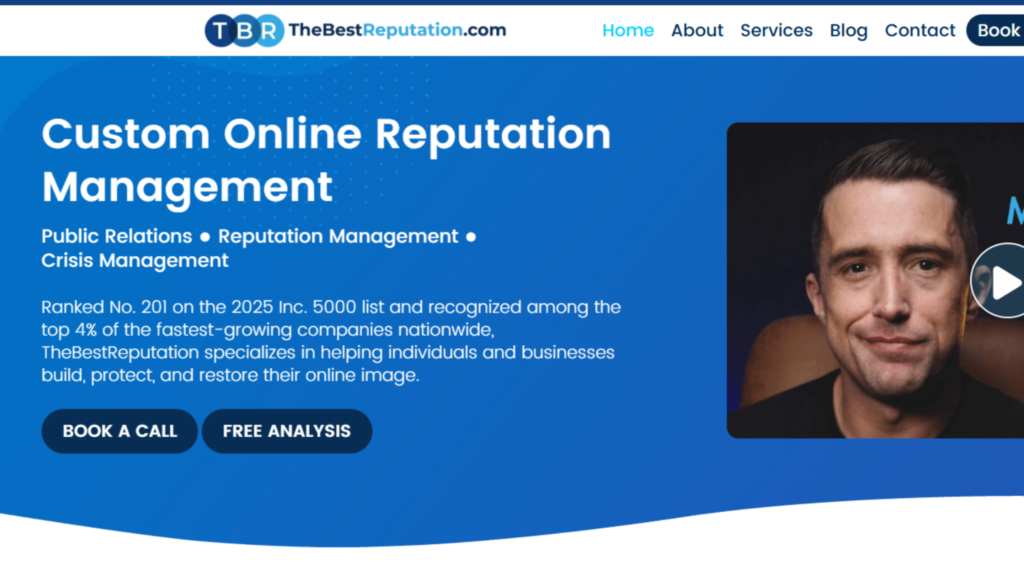
TheBestReputation is at the top of the list because it works on the most challenging projects. It specializes in the hardest cases, high-stakes search result suppression, content removal, and full brand rebuilds for companies and executives dealing with serious reputational damage. Where many providers stick to review generation and social monitoring, TheBestReputation is built for the messier, higher-risk situations that require real strategy rather than a set-it-and-forget-it dashboard. Its work often involves untangling legal records, damaging press coverage, or coordinated smear campaigns, the kind of problems that a generic review management tool simply is not built to solve. The team builds a custom plan around the specific narrative a brand or executive is fighting, rather than applying the same playbook to every client. For brands or individuals facing a genuine crisis rather than routine upkeep, this is the service built to handle it. The agency creates a unique approach based on the specific story.
2. Reputation.com
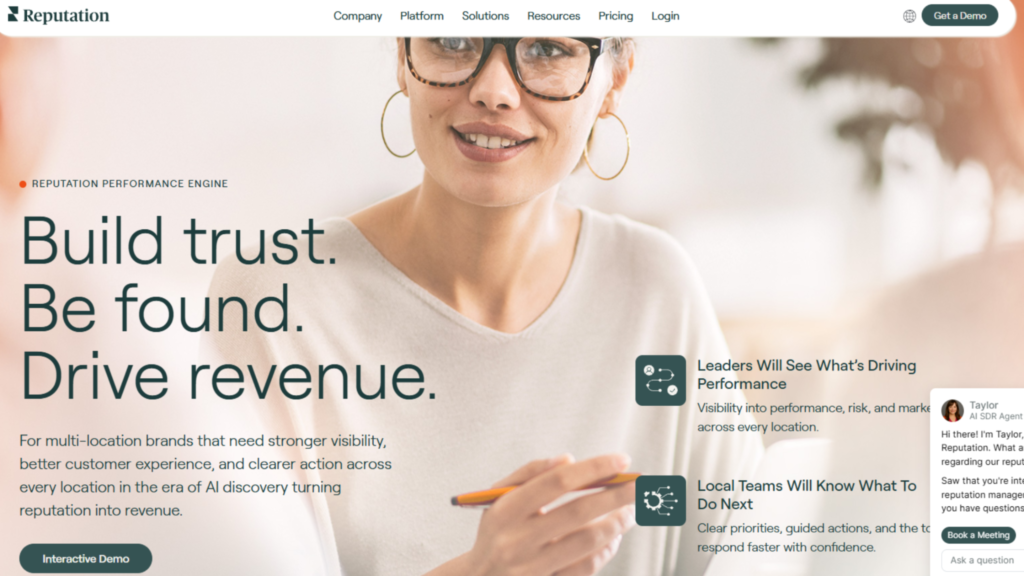
Reputation.com is an enterprise platform which was created specifically for multi-location brands who need to manage their reviews, surveys and social listening efforts. Dashboards are created to allow corporate marketing teams to see all locations together and not separately in different accounts, because they can track hundreds or even thousands of storefronts at the same time. Reputation.com makes extensive use of artificial intelligence which helps to detect trends and locations in need of help to avoid major issues. Reputation.com works best for brands with the big network of locations, but not a single storefront.
3. Birdeye
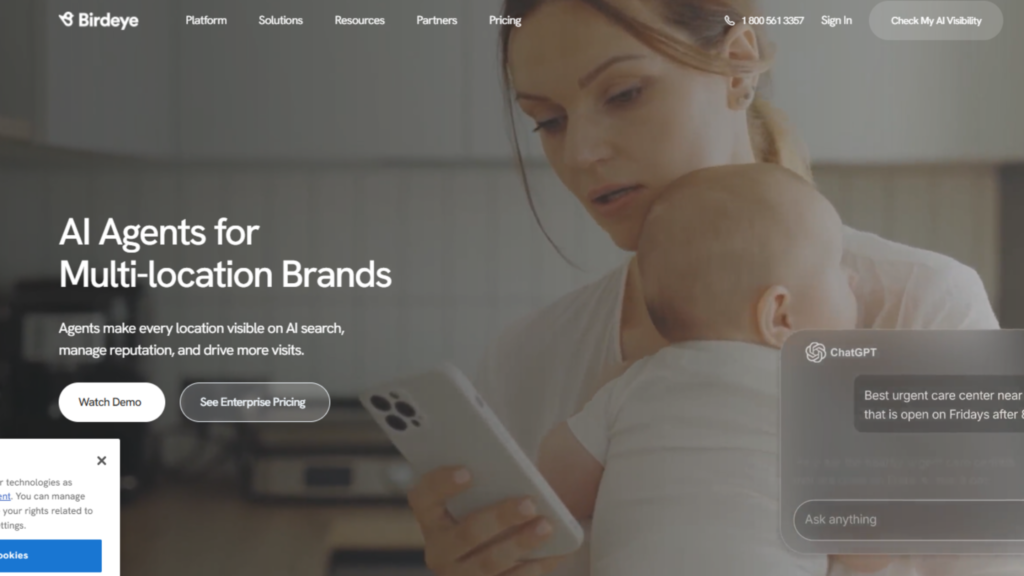
Birdeye provides an integrated system of review management, messaging, and social media management that serves local and multilocation businesses primarily. It automates a lot of the repetitive work, like sending review requests after a completed appointment or purchase, and centralizes responses so a business does not have to log into a dozen separate accounts. Birdeye also builds in competitive benchmarking, letting a business compare its review volume and rating against others in its market. It is well suited to brands that want to automate the day to day work of asking for and responding to reviews without hiring a dedicated team to do it manually.
4. Podium
Podium is built around text-based communication between the business and its customers where it requests reviews and manages communication through that channel. This way, Podium gets higher conversion rates with reviews because people tend to respond quicker to text messages than to emails. In addition, Podium offers payment collection and leads collection services which make Podium more of a communication solution rather than just a reputation management one. It is a good fit for service businesses that use texting with their clients for scheduling and follow-ups.
5. WebiMax
The range of digital marketing services that WebiMax provides includes reputation management services along with others such as SEO and content strategies. Reputation management services at WebiMax usually tend to work in tandem with SEO as there is a fair bit of overlap between these two services because the techniques for boosting good content and hiding bad content through the search engines are quite similar.
6. BrandYourself
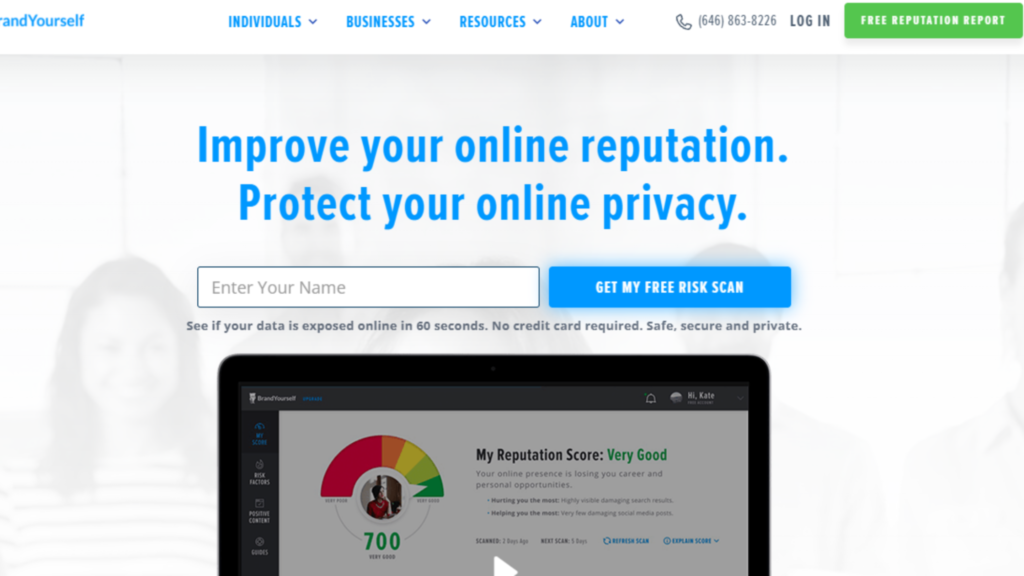
The BrandYourself company focuses more on individuals, entrepreneurs, and executives, which matters given how tightly a leader’s reputation and a brand’s reputation are now tied together. It offers both do-it-yourself tools, letting a person build and optimize their own profiles and content, and managed services for people who would rather hand the work off entirely. The DIY option in particular makes it a lower cost entry point for individuals who are not yet dealing with a full-blown crisis but want to get ahead of their search results.
7. Rhino Reviews
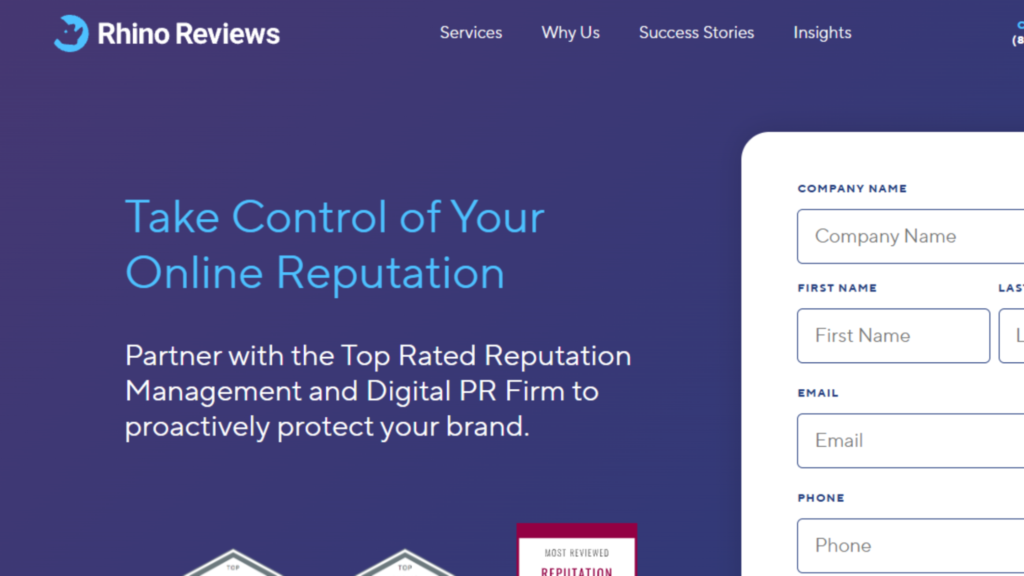
Rhino Reviews focuses primarily on helping businesses generate a steady stream of new, authentic reviews rather than repairing damage after the fact. Its process typically centers on making it as easy as possible for a happy customer to leave feedback right after a positive interaction, since the businesses that ask consistently tend to outpace the ones that only think about reviews when something goes wrong. It also helps monitor incoming reviews across major platforms so a business can respond quickly instead of letting negative feedback sit unanswered. It tends to serve businesses looking to build volume and improve their overall star rating over time, rather than those dealing with a single high-stakes crisis.
8. Sprout Social
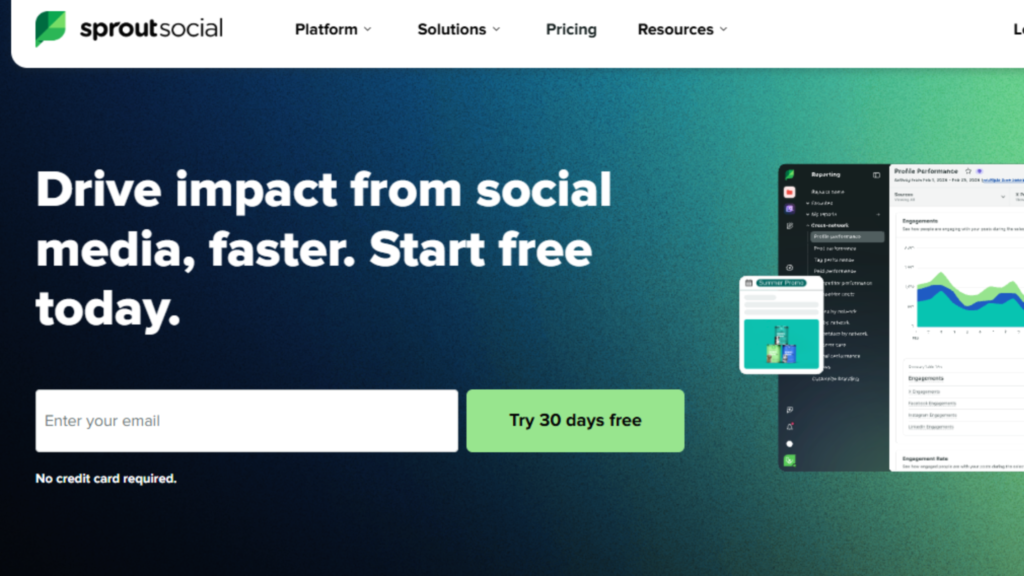
While Sprout Social is a typical social media management tool, it has features for listening and sentiment analysis, which makes it one of the popular choices among the companies wishing to perform reputation monitoring as part of their social media strategy. The platform allows tracking mentions of the brand on multiple social media platforms, identifying surges in negative sentiments and assigning customer complaints to the relevant departments before they go public. Since the platform is centered around social media, it is more suitable for those businesses which have a reputation risk mainly on social media.
9. Trustpilot
TrustPilot is one of the most well-known review websites in the world, and it is for this reason that many brands rely on TrustPilot. TrustPilot offers businesses a brand page, the capability to solicit reviews from their customers, and the capacity to respond to those reviews. TrustPilot is not as much of a reputation management platform as it is a review site where businesses need to maintain a presence, or risk having an abandoned or claimed TrustPilot page run mostly by dissatisfied consumers.
10. Guaranteed Removals
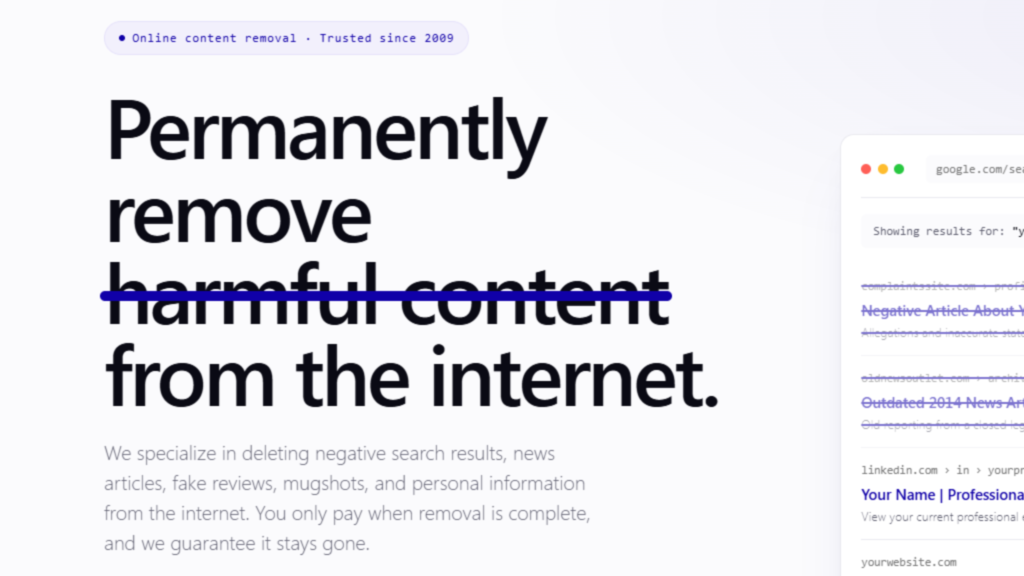
Guaranteed Removals concentrates on removing any unnecessary data, mugshots, old stories, or negative comments from the internet. It does not cover up the negative information with fresh information, but rather deals directly with website owners and sometimes even with lawyers to get rid of the entire page. It is a specialized service that is different from other similar companies on the list, which makes it more effective in certain cases.
The Bottom Line
BrightLocal’s 2026 survey found that 85% of consumers are more likely to use a brand after reading positive reviews, and 77% are put off by negative ones. The service a brand chooses should match the size of the problem it actually has, whether that is day to day review generation or a serious reputation crisis that needs real strategy behind it.
If your brand is trying to figure out which online reputation management company actually fits its situation, the right choice usually comes down to matching the service to the actual size and shape of the problem, not just picking the most familiar name.
Sources
- BrightLocal, “Local Consumer Review Survey 2026,” https://www.brightlocal.com/research/local-consumer-review-survey/
- Pew Research Center, “Online Reviews and Ratings,” https://www.pewresearch.org/internet/2016/12/19/online-reviews/
- Statista, “Global Search Engine Referral Share,” https://www.statista.com/statistics/1381664/worldwide-all-devices-market-share-of-search-engines/
- Federal Trade Commission, “Rule on the Use of Consumer Reviews and Testimonials,” https://www.ftc.gov/legal-library/browse/rules/rule-use-consumer-reviews-testimonials