
Overview
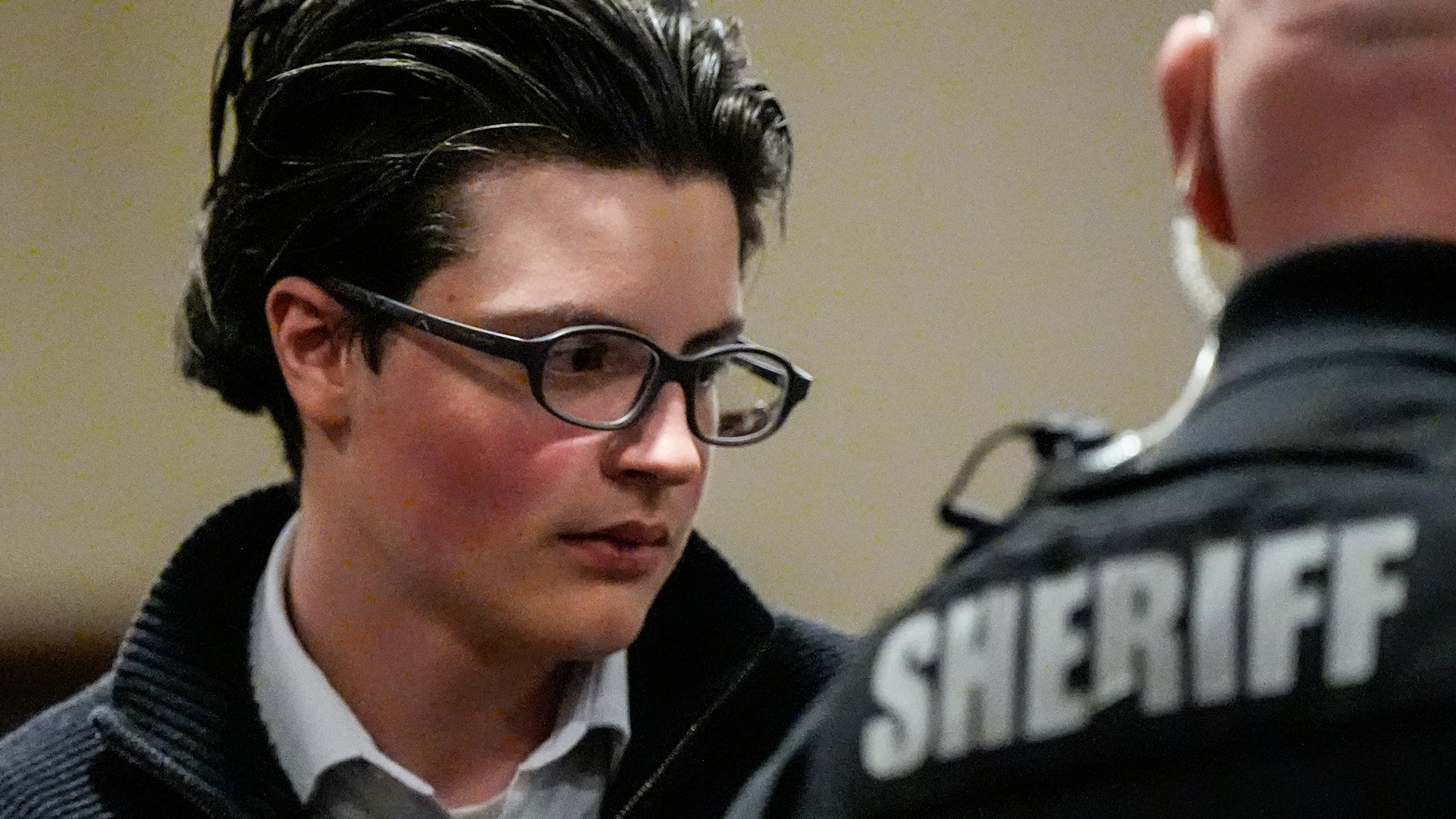
Colt Gray, who was 16 at the time he was charged in connection with the mass shooting at Apalachee High School in Winder, Georgia, has pleaded guilty to all 55 counts against him, bringing a long-running criminal case to a close. Gray’s change of plea resolves charges stemming from the Sept. 4, 2024, attack in which four people were killed and nine others wounded. Prosecutors say Gray admitted to charges that include malice murder, aggravated assault and aggravated battery, and he faces a potential aggregate sentence of up to 180 years in prison.
What happened
According to the account provided in the reporting detail, Gray — then a 14-year-old freshman — carried a semiautomatic AR-style rifle to school in his book bag. He left a restroom during the school’s second period and opened fire in a hallway and classroom. Students Christian Angulo and Mason Schermerhorn and teachers Richard Aspinwall and Ana-Cristina Irimie were killed. Investigators later noted that Gray had left behind a notebook with a planned diagram of one classroom and notes about the attack.
Related prosecutions: the father’s conviction
The case also resulted in criminal charges against Gray’s father, Colin, who prosecutors said allowed his son access to the firearms and ammunition despite warnings. Colin Gray was convicted in March on 27 counts, including second-degree murder, involuntary manslaughter and cruelty to children. Prosecutors argued he knew Colt posed a danger and nevertheless enabled his access to the weapons used in the attack.
Legal significance and context
The guilty plea resolves the criminal proceedings against Colt Gray without a trial. Several legal and policy questions the case spotlights include:
- Juvenile prosecution for severe violent crime: Gray was charged as an adult. Prosecutors in many states seek adult charges in the most severe juvenile cases; sentencing outcomes for juveniles convicted as adults can vary dramatically depending on local law and whether parole is available.
- Lengthy aggregate sentences: The stated exposure — up to 180 years — reflects multiple counts stacked consecutively. How much time is actually imposed and how it is served (including parole eligibility or juvenile-custody considerations) will determine the real-term outcome.
- Parental responsibility and criminal liability: The conviction of Colin Gray underscores a growing focus by prosecutors on adults’ roles when minors obtain firearms used in crimes. Cases like this raise questions about criminal negligence (or worse), safe storage laws, and civil liability for parents or guardians.
- Rehabilitation and juvenile corrections: Although charged as an adult, reports indicated Gray had been held at a juvenile detention center since 2024, reflecting a tension between punitive sentencing goals and juvenile rehabilitation frameworks that aim to recognize developmental differences.
Policy and public-safety implications
This case intersects with multiple legislative and community policy debates:
- Safe-storage and access laws: Prosecutors argued the father enabled access to weapons. That dynamic renews calls in many states for clearer safe-storage mandates and stronger enforcement where minors repeatedly gain access to firearms.
- School safety measures: Mass shootings at schools spur renewed examination of mental-health resources, threat-assessment protocols, physical security, and early intervention to identify and support students at risk of violent behavior.
- Juvenile sentencing reforms: The long exposure to prison time highlights debates over whether lengthy or cumulative adult-style sentences for juveniles serve public safety and justice goals, or whether rehabilitation-oriented alternatives are preferable.
What to watch next
Because the plea ends the trial phase, attention will turn to the sentencing process: the date of sentencing, any victim-impact statements, presentencing reports, and whether the defense seeks concurrent sentences or other mitigations. Separately, any appeals or collateral challenges related to the father’s conviction or the juvenile’s sentence could extend the legal aftermath. Community healing and policy responses at the local and state level will likely continue to be part of the story.
Sources and notes
This article was prepared from the news text supplied in the assignment and from general legal and policy context known from established legal precedents and public debates about juvenile sentencing, parental criminal liability, and school-safety policy. I did not access external websites at the time of writing to fetch or link specific live sources. Please add direct links to local reporting, court filings, or prosecutor statements you wish to cite when pasting into WordPress.
Key facts from the supplied report: Colt Gray pleaded guilty to 55 counts including malice murder, aggravated assault and aggravated battery; four people were killed and nine wounded in the Sept. 4, 2024 attack at Apalachee High School; his father, Colin Gray, was convicted in March on 27 counts including second-degree murder and involuntary manslaughter for enabling access to the weapons.