


Overview
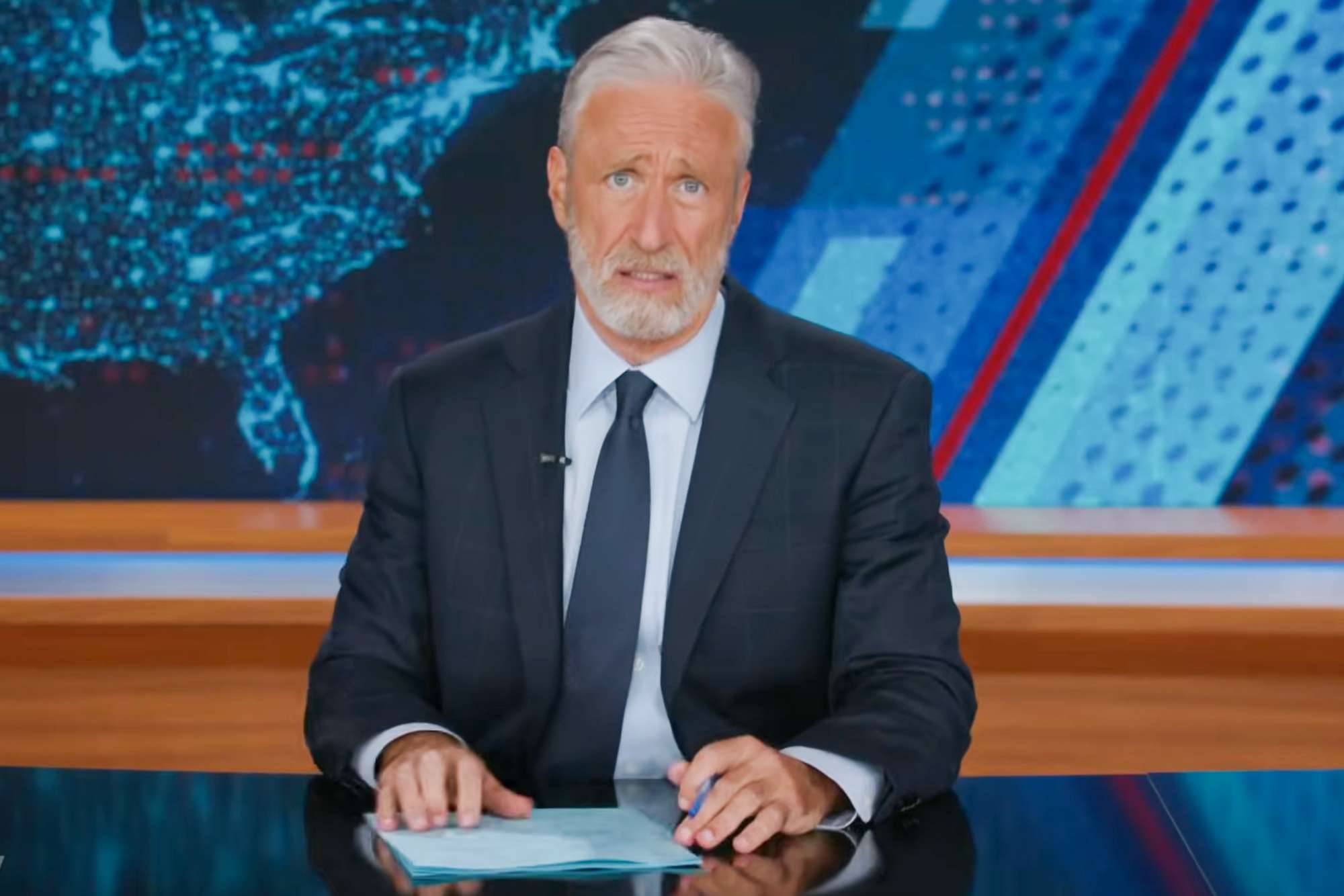
A growing list of performers have withdrawn from the lineup for the planned Great American State Fair — an event tied to the Freedom 250 celebrations for the nation’s 250th anniversary — after questions about the event’s political associations and the involvement of a talent buyer named “Jeff Epstein.” The controversy drew renewed national attention when Jon Stewart discussed the situation on The Daily Show, noting the awkward optics of a booking agent with that name operating on an event associated with the current administration.
Who pulled out and why
Performers including Martina McBride, Young MC, Bret Michaels, Morris Day and the Time, and the Commodores publicly announced they would not perform at the Great American State Fair. Several artists said they had been told the event was nonpartisan but later felt that changed, leading them to withdraw.
Martina McBride said she believed she was contracted for a nonpartisan celebration of all 50 states and withdrew when the nature of the event appeared otherwise. Young MC and other artists likewise said they were not made aware of political involvement when they signed on.
Jon Stewart’s on-air reaction
On the June 1 episode of The Daily Show, Jon Stewart called attention to reporting that many acts were booked by an agent named “Jeff Epstein” of Universal Attractions. Stewart used the name to underline the strange optics and the larger political cross-currents surrounding the event. His segment both ridiculed the booking choice and highlighted how the use of that name amplified scrutiny on the event organizer and the administration’s anniversary festivities.
Why the name matters
The name triggered immediate attention because it evokes Jeffrey Epstein, the convicted sex offender whose arrest and death in 2019 have continued to cast a shadow over public figures and institutions linked to him. Even an unrelated namesake in a high-profile booking role became a point of ridicule and political sensitivity, illustrating how reputational risks can multiply quickly in modern media environments.
Political and public-relations fallout
The withdrawals underline the political calculus that entertainers and talent managers now consider when agreeing to high-visibility appearances. Organizers insisting the event is a nonpartisan celebration face a credibility problem when talent perceives otherwise — whether due to overt political signals, last-minute changes, or the reputational baggage of vendors and partners.
For the administration, the episode is an example of how logistics and third-party vendors can create outsized political headaches. Events intended to unify can become polarizing when performers, media and late-breaking reporting raise questions of partisanship or poor vetting.
What organizers said
Freedom 250 spokespeople released statements emphasizing the nonpartisan, celebratory nature of their programming and said their goal was to unite Americans around the 250th anniversary. Organizers have pushed back on characterizations that the celebration was intended as a partisan rally, but the exit of multiple acts has already reshaped the narrative and raised fresh questions about vetting and transparency.
Context and implications
- Reputational spillover: Even incidental or coincidental connections can become politically and publicly consequential. The presence — or perceived presence — of a problematic name or partner can force rapid PR responses and cancellations.
- Artist caution: High-profile artists and their management teams are increasingly risk-averse about events that might be read as political endorsements or that might alienate parts of their audience.
- Event vetting: Large civic or national events need stronger vendor and partner vetting, clearer public communications about sponsorship and political ties, and contingency plans for rapid talent withdrawals.
Sources
- Reporting on performer withdrawals and statements from artists: Entertainment Weekly — see coverage of the Great American State Fair and Freedom 250 performers (https://ew.com/search/?q=Freedom+250).
- Jon Stewart segment and The Daily Show clip information: Comedy Central / The Daily Show (https://www.cc.com/shows/the-daily-show).
- Background on Jeffrey Epstein and ongoing political repercussions: The New York Times (background reporting on the Epstein case) (https://www.nytimes.com/section/us).
- Freedom 250 official statements referenced in news coverage (see organizational statements aggregated in entertainment reporting): Freedom 250 / event communications (search for Freedom 250 official statement on organizers’ site or media releases).
Note: This article summarizes reporting and public statements available from the outlets above. Links point to the publishers’ relevant search or program pages for the most current reporting and primary source statements.