



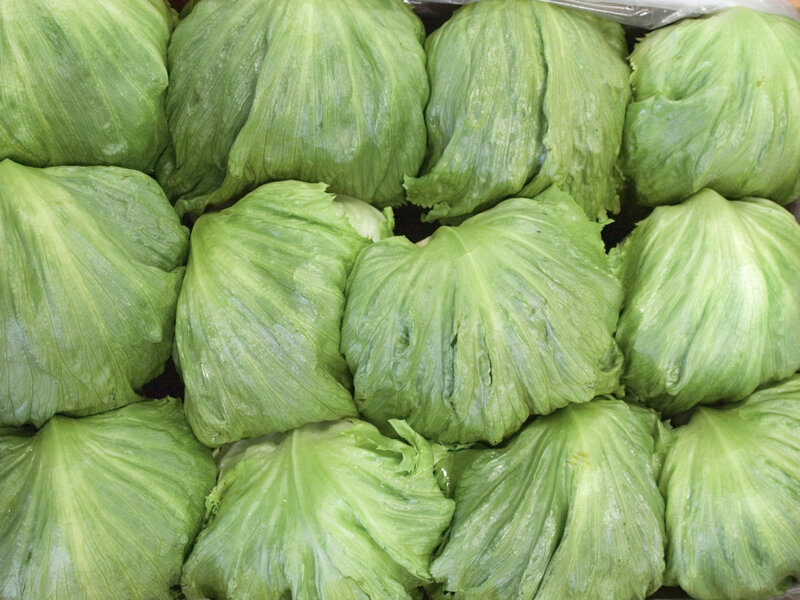
Federal health officials and major food companies are responding to a widening multistate outbreak of cyclospora linked to shredded iceberg lettuce sourced from central Mexico. The expansion of a voluntary recall and distribution halts have raised fresh questions about supply-chain traceability, consumer safety and how to avoid infection while investigations continue.
What happened
Taylor Farms announced an expanded voluntary recall of 25 shredded iceberg lettuce and salad-mix products shipped from a lot in central Mexico after a potential link to a multistate cyclospora outbreak was identified. The company said implicated products were shipped to 27 states and included items with “best by” dates as late as Aug. 3. Sysco, a major food distributor, temporarily halted distribution of all Taylor Farms iceberg lettuce products sourced from Mexico and instructed customers to destroy them. Taco Bell also removed the affected shredded lettuce from restaurants after several illnesses were linked to food served at its Midwestern locations.
Scope of the outbreak
According to the most recent reporting tied to the outbreak, at least 1,645 illnesses and 141 hospitalizations have been reported in 2026, and public health investigators are probing thousands more possible linked cases. The U.S. Centers for Disease Control and Prevention (CDC) and state health departments continue to work with food-safety authorities and companies to identify contaminated lots and limit further exposure.
About cyclospora — symptoms and transmission
Cyclospora cayetanensis is a microscopic parasite that infects the intestinal tract after ingestion of contaminated food or water. Typical symptoms include persistent watery diarrhea, abdominal cramps, nausea, fatigue, weight loss and sometimes low-grade fever. Symptoms usually begin days to weeks after exposure. Cyclospora is most commonly spread when produce is irrigated or washed with water contaminated with human feces; routine cooking kills the parasite, but raw produce can pose a risk.
What consumers should do now
- Check product packaging and store receipts. If you purchased or were served shredded lettuce or salad mixes from Taylor Farms sourced from Mexico, compare package “best by” dates and brand codes with recall notices and discard affected items.
- Avoid eating recalled shredded lettuce or salad mixes and discard suspected products; do not attempt to taste or salvage them.
- If you become ill with persistent watery diarrhea or gastrointestinal symptoms after eating potentially implicated produce, contact a healthcare provider. Cyclospora can be diagnosed with stool testing; prompt diagnosis allows appropriate antiparasitic treatment.
- Restaurants and institutions should follow distributor and supplier guidance, quarantine suspect lots, and follow instructions from distributors such as Sysco and their suppliers.
Industry and regulatory response
Food suppliers, distributors and restaurant chains have moved quickly to remove suspect products from the supply chain. Taylor Farms said it halted use of the implicated lot and is actively removing products; Sysco stopped distributing the affected iceberg lettuce and directed customers to destroy product. Public health authorities, including the CDC and state departments of health, are conducting epidemiologic and traceback investigations to determine the source of contamination and scope of distribution.
Why outbreaks like this still occur
Fresh produce is often handled at multiple points from farm to fork—growing, irrigation, harvesting, processing, packing, transport and retail. Contamination can occur when water used for irrigation or washing is contaminated with human sewage, or when workers handling produce do not follow hygiene practices. Cyclospora is particularly challenging because oocysts require a period outside the host to become infectious, so direct person-to-person spread is less common, and contamination typically points to environmental or water-related issues during growing or processing.
Longer-term implications
Beyond immediate public health risks, outbreaks of this scale can prompt regulatory scrutiny, strengthened supplier audits, and changes in sourcing decisions by large distributors and restaurant chains. Consumers may see temporary product shortages or substitutions on menus while companies secure alternate supplies and regulators assess remedial actions at implicated farms and processing facilities.
Sources and further reading
- Associated Press coverage of the recall and outbreak: https://apnews.com/
- CDC — Cyclospora and outbreak information: https://www.cdc.gov/parasites/cyclospora/outbreaks.html
- Taylor Farms — corporate statements and news: https://www.taylorfarms.com/
- Sysco — company website and distributor notices: https://www.sysco.com/
- Taco Bell — corporate statements and press resources: https://www.tacobell.com/
- U.S. Food and Drug Administration — food recalls and safety alerts: https://www.fda.gov/safety/recalls-market-withdrawals-safety-alerts
If you suspect you’ve been exposed or are ill, contact your local health department or healthcare provider for testing and treatment guidance.