



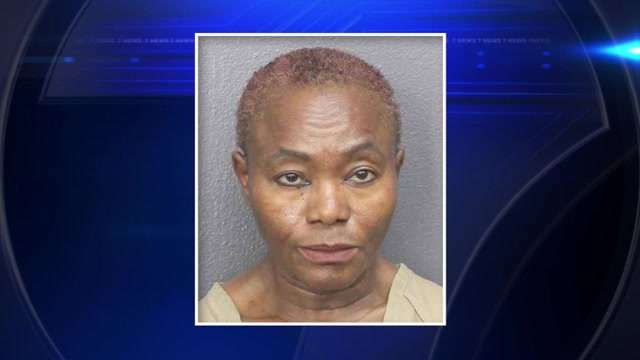
A Florida pharmacist was convicted this week on federal charges after selling roughly 300,000 oxycodone pills to patients without legitimate medical need, according to court filings and statements from prosecutors. The U.S. Attorney’s Office says Olushola Yusuf of Tampa operated two pharmacies in Broward County (Pembroke Pines and Margate) and illegally distributed 30-milligram oxycodone tablets — reportedly selling pills at steep markups and accepting large amounts of cash. Yusuf, 60, was convicted of illegal drug distribution and conspiracy; sentencing is scheduled for Oct. 14.
Why this case matters
Although the immediate facts in this case are criminal rather than medical, the conviction sits squarely at the intersection of public health and law enforcement. Prescription opioid diversion — where medications intended for patients are redirected for nonmedical use — has been a major driver of the U.S. opioid epidemic for decades. When a licensed pharmacist or pharmacy becomes a source of diverted pills, the scale and reach of harm can increase quickly because of the professional access and trust involved.
Opioid diversion: scope and public-health impact
Prescription opioids such as oxycodone were once widely prescribed for pain and are still legally necessary for many patients. But the misuse and illegal distribution of these medications contributed to a sharp rise in addiction and overdose deaths. The Centers for Disease Control and Prevention (CDC) provides ongoing data and guidance about opioid-related harms and safe prescribing practices; the agency also documents how changes in prescribing have affected overdose trends nationwide (CDC: Opioids).
Federal enforcement and pharmacy-related prosecutions
The Department of Justice and agencies such as the Drug Enforcement Administration (DEA) have prioritized investigations of so-called pill mills and pharmacy diversion because pharmacies and prescribers can funnel large quantities of controlled substances into illegal markets. Federal enforcement can include charges for unlawful distribution, conspiracy, health-care fraud, and related offenses. The DOJ maintains a collection of enforcement actions and press releases related to opioid and prescription drug misuse that illustrates a pattern of targeting high-volume illegal distributors (DOJ: Opioid and Prescription Drug Misuse).
What enforcement does — and doesn’t — accomplish
Prosecutions remove dangerous actors and send a deterrent message, but they are not a standalone solution to the broader public-health crisis. Successful long-term responses require coordinated efforts across law enforcement, public health, clinical care, and community services: better prescribing practices, strong monitoring (such as state prescription drug monitoring programs), expanded access to addiction treatment (including medications for opioid use disorder), and harm-reduction measures like naloxone distribution and syringe services.
Practical lessons for patients and communities
- Verify prescriptions and understand costs: Patients should confirm that prescriptions are from legitimate prescribers and should be wary of unusually high cash prices or large monthly fees for routine prescriptions.
- Use prescription monitoring tools: State Prescription Drug Monitoring Programs (PDMPs) help clinicians and pharmacists detect patterns of concerning prescribing or pharmacy activity.
- Know treatment options: For people struggling with opioid use disorder, medications such as buprenorphine and methadone are evidence-based treatments that reduce overdose risk; community treatment access remains a priority.
Looking forward
Cases like the recent conviction in Florida underscore both the ongoing presence of illegal pill distribution and the need for sustained, multi-pronged public-health strategies. Removal of a bad actor from the supply chain is important, but preventing future diversion will require stronger monitoring, clearer accountability, and expanded treatment and harm-reduction resources so communities can address addiction and reduce fatal overdoses over the long term.
Sources
- U.S. Department of Justice — collection of opioid and prescription drug enforcement actions: https://www.justice.gov/collections/opioid-and-prescription-drug-misuse
- Centers for Disease Control and Prevention (CDC) — Opioids: https://www.cdc.gov/opioids/index.html
- Drug Enforcement Administration (DEA) — Diversion Control Division (information on diversion and controlled substances): https://www.deadiversion.usdoj.gov/
- Substance Abuse and Mental Health Services Administration (SAMHSA) — Treatment and services for opioid use disorder: https://www.samhsa.gov/medication-assisted-treatment
Note: The opening paragraph reflects reported facts about the recent conviction; the remainder of this article places that event in broader public-health and policy context and cites authoritative sources for further information.