




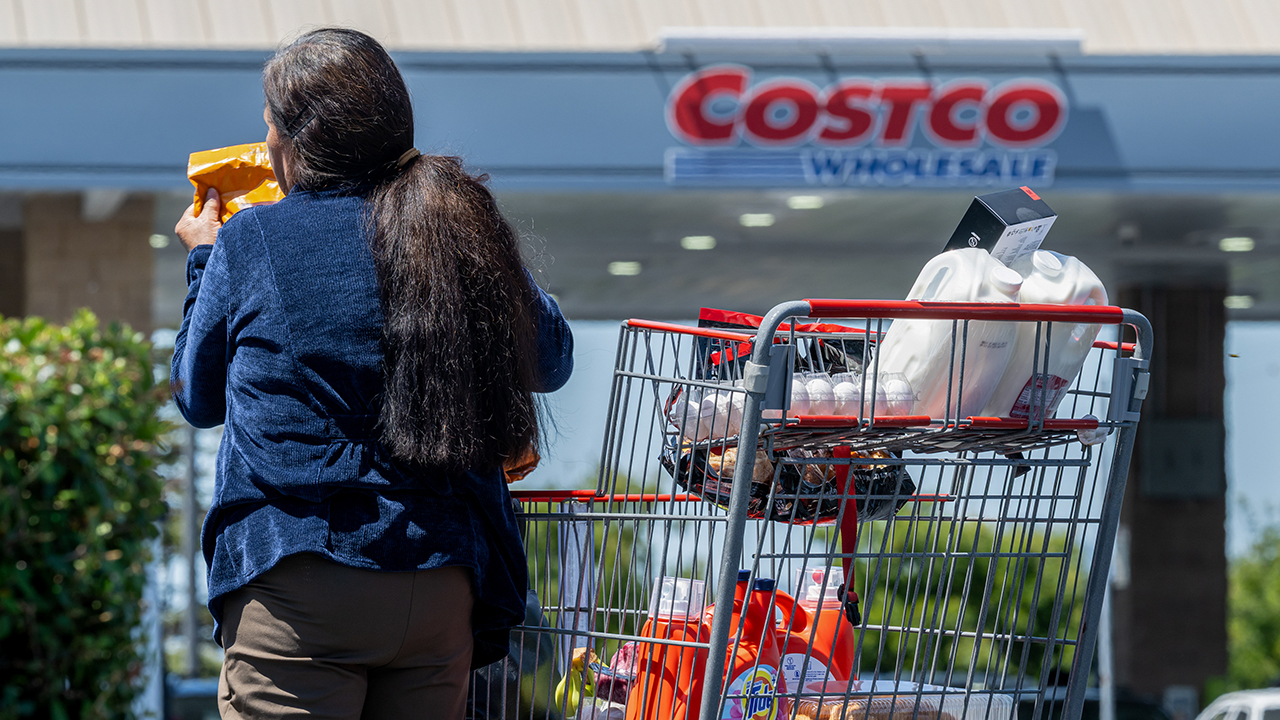
Costco is preparing a wave of new warehouse openings across the United States and Canada over the next few months, continuing a growth push its new leadership has publicly prioritized. The retailer expects to add more than a dozen locations before year-end, with additional projects under review in several U.S. metros and continued international buildouts planned.
Where and when new warehouses are opening
According to recent reporting, Costco has scheduled multiple openings in October and November, including relocations and brand-new stores. Notable openings include:
- October: Lee’s Summit, Missouri; The Colony, Texas; Amherst, New York; Lawrence, Kansas; Camarillo, California.
- November (U.S.): South Meridian, Idaho; Vallejo, California; Chandler, Arizona; Newport News, Virginia (relocation); Franklin, Wisconsin.
- November (Canada): Northeast Edmonton and Lloydminster in Alberta; East Windsor and Wasaga Beach in Ontario.
The company is also pursuing approvals or evaluating sites in Downey and Fresno, California; Lake St. Louis, Missouri; Southborough, Massachusetts; Silver Spring, Maryland; Scottsdale, Arizona; Des Plaines, Illinois; Charleston County, South Carolina; and Hillsborough County, Florida.
Leadership guidance and the growth goal
Costco’s CEO has signaled an aggressive expansion target: opening 30 or more warehouses annually over the next five to 10 years, with roughly half of those expected to be new U.S. locations and the rest overseas (Mexico, Canada, Asia, Europe, Australia and New Zealand were all identified as potential growth regions). That cadence would represent a step-up from recent years and underscores management’s view that physical warehouses remain central to Costco’s business model.
Why Costco is accelerating warehouse builds
Several strategic and operational factors explain why Costco is pushing this expansion:
- Membership-driven model: Costco’s recurring membership fees provide predictable cash flow and strong margins; more warehouses increase membership penetration and ancillary revenue (e.g., food courts, fuel stations, optical and pharmacy services).
- Scale and buying power: Additional warehouses spread fixed costs and enhance purchasing leverage, useful for negotiating supplier deals and maintaining competitive prices.
- Real estate and relocation opportunities: Relocations—such as the Newport News example—can deliver larger formats, on-site fuel, and better logistics access, increasing sales per location.
- International upside: Many markets remain under-penetrated compared with the U.S.; international builds offer long-term growth without materially changing Costco’s core operating model.
Challenges and risks
Rapid expansion brings challenges that investors, local planners and customers should watch:
- Real estate and permitting delays: Local approvals, zoning disputes and community pushback can slow or alter store plans.
- Construction and supply-chain constraints: Higher materials and labor costs or delays can push timelines and capex above plan.
- Cannibalization and market saturation: Faster openings raise the chance of overlapping trade areas; careful site selection is critical to preserve unit economics.
- Macro sensitivity: Retail traffic and membership growth can be influenced by consumer spending patterns, interest rates and inflation — factors management will need to monitor.
Competitive context
Costco’s expansion has implications for competitors such as Walmart/Sam’s Club and other big-box formats. Costco’s differentiation—membership model, curated product mix, low SKU counts, private label strength (Kirkland Signature) and strong in-store velocity—helps defend share, but rivals may respond with pricing, membership incentives or investments in e-commerce and fulfillment.
What to watch next
- Quarterly reporting and management commentary for updated cadence on store openings and capital expenditure guidance.
- Local municipal filings and building permits that confirm timing for specific warehouses.
- Membership growth and retention metrics, which will indicate whether new stores are converting into recurring revenue.
- International market announcements — especially in Mexico, Canada, Asia and Oceania — that will show how management balances domestic and global reinvestment.
Bottom line: Costco’s near-term slate of openings illustrates an intentional push to broaden its physical footprint while preserving the membership-driven economics that power its margins. If management meets its stated goal of 30+ new warehouses per year, the company would materially increase its exposure to new customers and markets — but it will need to execute on real estate, permitting and construction fronts to protect unit-level returns.