


Introduction
Around 7% of those polled in the latest British Social Attitudes (BSA) survey said they wanted cuts to disability benefits. That small but politically potent number raises questions about how public attitudes align with policy debates over disability support, cost-of-living pressures and public services.
What the BSA finding means
The BSA is a long-running independent survey that tracks public opinion across a wide range of social and political issues. A headline figure such as “around 7% want cuts to disability benefits” shows that explicit desire for cuts is held by a relatively small minority, but it should be read in context: public opinion on welfare is often mixed, with many people simultaneously wanting to protect vulnerable groups and to see tighter controls on welfare spending or eligibility.
Policy context: disability benefits and the UK system
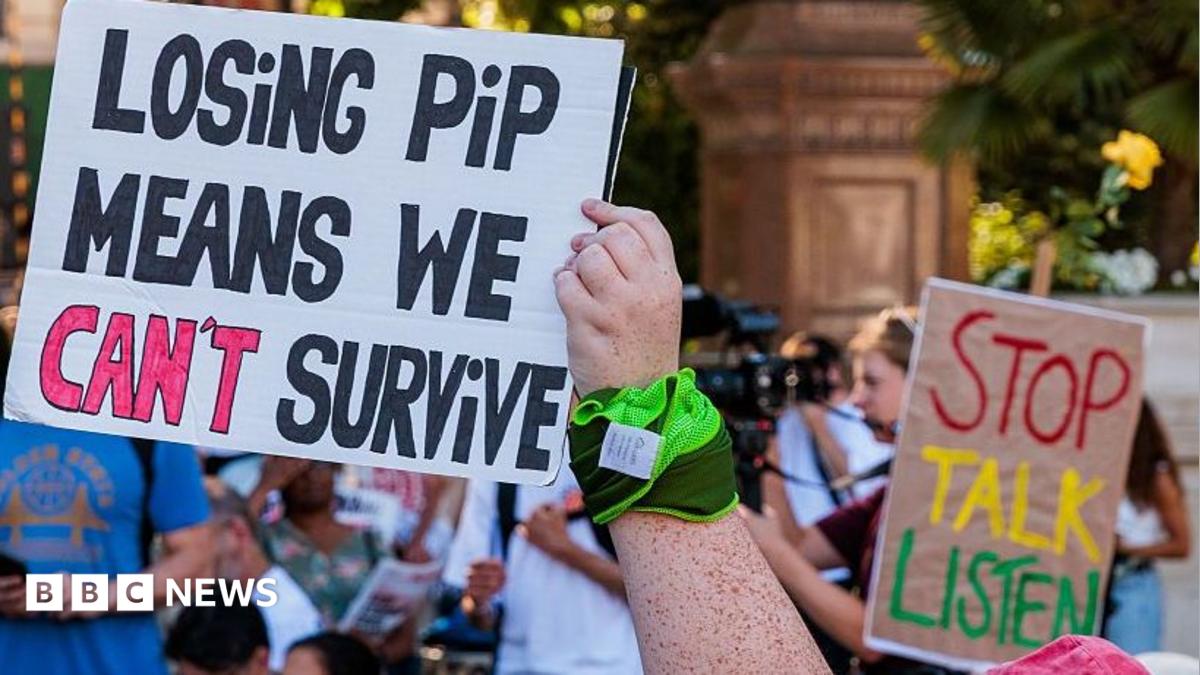
In the UK, disability-related financial support is delivered mainly through benefits such as Personal Independence Payment (PIP) and, historically, Employment and Support Allowance (ESA). These programmes have been the focus of both policy reform and public scrutiny in recent years, involving questions over assessment processes, rising caseloads and spending pressures. For official information on PIP and related statistics, see the Department for Work and Pensions (DWP) pages: Personal Independence Payment (PIP) – GOV.UK and PIP statistics – GOV.UK.
Public attitudes versus political debate
Public opinion on welfare tends to be nuanced. While a relatively small share explicitly calls for cuts, many people express concerns about fraud, the sustainability of public spending, or fairness in the system. Politicians across the spectrum respond to those concerns in different ways: some argue for tighter eligibility and stronger assessments to reassure the public and reduce costs, while others emphasise the need to safeguard people with disabilities and improve access to support and services.
Voices from charities and campaigners
Disability charities have consistently warned that cuts or tighter eligibility criteria risk leaving people without essential support, with serious consequences for wellbeing and independent living. Organisations such as Scope and Disability Rights UK publish research and commentary on how benefit policy affects disabled people and on alternative approaches that prioritise dignity and inclusion. See their resources here: Scope, Disability Rights UK.
Media and parliamentary coverage
News outlets and parliamentary research services regularly cover debates over disability benefits, assessments and spending. For background and parliamentary analysis, consult the House of Commons Library and mainstream reporting such as the BBC and national newspapers. Useful starting points include the House of Commons Library’s welfare briefs (Commons Library) and reporting collections on welfare from the BBC (BBC News).
Why the 7% figure matters — and why it doesn’t tell the whole story
Two points are important:
- Magnitude: 7% is a minority view, which suggests broad public reluctance to endorse outright cuts to disability benefits.
- Nuance: People’s views on welfare depend on how questions are framed. Support for “cuts” may rise if questions emphasise fraud or cost, but decline when people consider the real impact on those who rely on support.
Implications for policymakers
Policymakers face three linked challenges:
- Maintaining fiscal sustainability while ensuring that adequate support reaches people with disabilities.
- Designing assessment systems that are both robust and humane, minimising harm from inappropriate decisions.
- Communicating clearly with the public so debates are grounded in evidence about need, outcomes and value for money, rather than stereotypes or misinformation.
Conclusion
The BSA headline that roughly 7% of respondents favour disability benefit cuts provides a snapshot of a small but visible strand of public sentiment. However, deeper understanding requires looking at the broader pattern of attitudes and the real-world effects of policy changes. The debate over disability benefits is ultimately a question of political priorities and values: whether a society chooses to protect vulnerable people even under fiscal pressure, or to prioritise immediate budget savings.
Sources and further reading
- British Social Attitudes (NatCen) — main site for the survey
- Personal Independence Payment (PIP) – GOV.UK
- PIP statistics – GOV.UK
- Scope — disability equality charity
- Disability Rights UK
- House of Commons Library
- BBC News
- The Guardian – disability coverage
Notes: This article uses the BSA finding as reported (around 7% in favour of cuts). For the full BSA datasets and methodology, consult the NatCen British Social Attitudes website linked above.