


Summary: Federal regulators have announced recalls and warnings for more than 15,000 popular children’s squishy toys that contain water beads capable of expanding inside a child’s body if swallowed. The Consumer Product Safety Commission (CPSC) says the toys violate mandatory federal toy-safety standards and can cause choking, intestinal obstruction, severe illness, or death if ingested.
What happened
The CPSC has announced two recalls and one safety warning affecting roughly 15,300 items in total:
- About 8,000 Squeezy Dumplings sold online (Amazon) in May–June (labelled “SQUEEZY DUMPLINGS” / “SQUEEZE ME”) are being recalled after regulators found expandable water beads inside the toy.
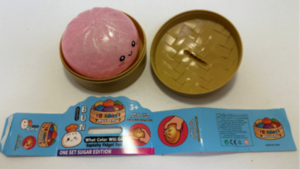
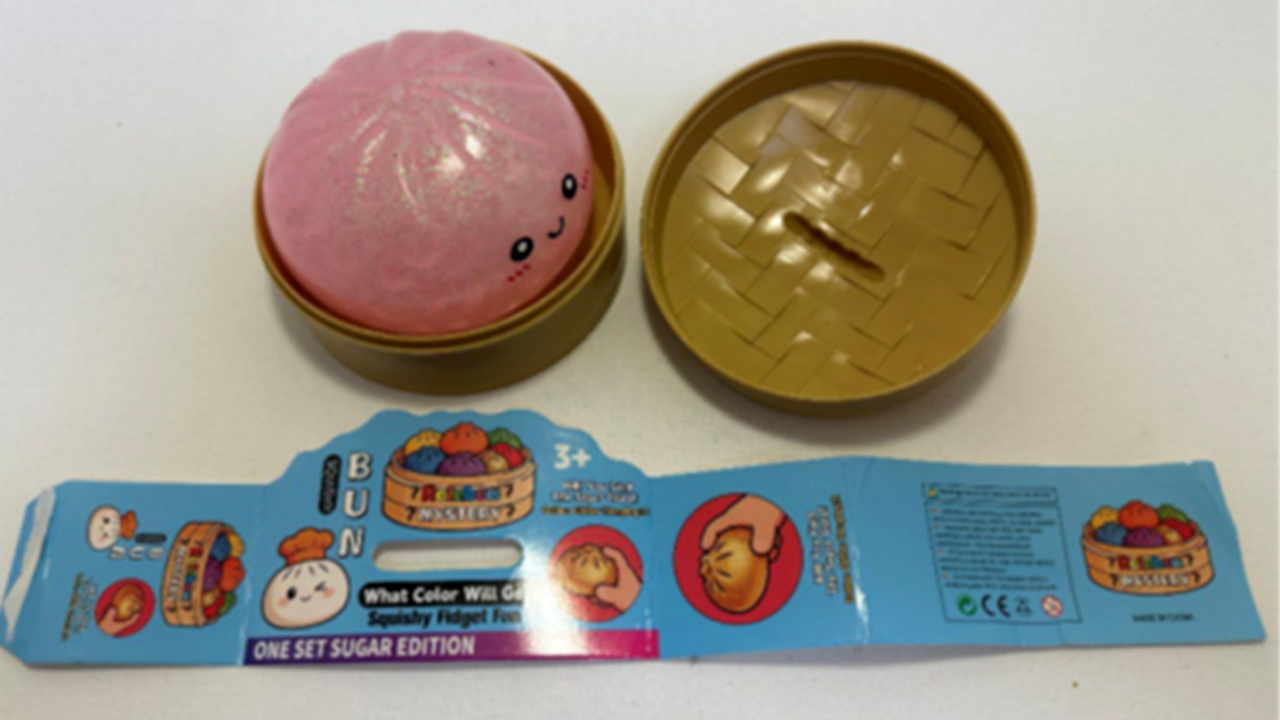
- Roughly 7,200 Rainbow Mystery Squishy Buns sold through third-party retailers and online (labels include “Rainbow MYSTERY” and “SUGAR EDITION”) are also recalled for the same hazard.
- The CPSC additionally issued a Notice of Violation and safety warning for Squishy Bun Toys from Ivyapingdianpu (about 106 units identified), which contain water beads but for which the retailer has not agreed to a recall or remedy.
According to the CPSC, if a water bead is ingested it can absorb fluids and expand inside the digestive tract, producing choking and intestinal obstruction hazards that may result in severe discomfort, vomiting, dehydration, and even death. To date, the agency has said no injuries have been reported in connection with these specific recalled or warned-about toys.
Which products and what to do
The affected products are translucent, round squishy balls with cartoon faces, glitter-like particles and water beads inside, typically packaged in a tan plastic container resembling a bamboo steamer. Consumers are urged to stop using these toys immediately.
The CPSC and the recalling firms recommend the following actions for anyone who purchased the affected items:
- Immediately stop using the toy and keep it away from children and pets.
- To obtain a refund for recalled products, follow the recall instructions from the seller: write “RECALLED” on the toy and container, dispose of the product, and email a photo of the toy and packaging to the recalling company as directed by the recall notice.
- If your toy is part of the Ivyapingdianpu items that are the subject of a safety warning (no voluntary recall), dispose of the toy and do not give it to children—report concerns to the CPSC.
- Contact your pediatrician or seek emergency medical care right away if a child swallows or is suspected to have swallowed a bead, or if they show symptoms such as pain, vomiting, refusal to eat, or breathing difficulty.
Why water beads are dangerous
Water beads (also called water-absorbing polymers or superabsorbent beads) are tiny in their dry state but can grow many times larger when exposed to fluids. That characteristic makes them attractive as a novelty filling for squishy toys but also makes them especially hazardous when swallowed by young children. Once inside the body these beads can expand and cause intestinal blockages or airway obstruction. The CPSC enforces size and design standards for toys to reduce these risks, and items that allow beads to escape or contain beads smaller than allowable limits fail those standards.
Context and regulatory implications
This recall underscores ongoing challenges in the global toy supply chain and in policing small, inexpensive novelty items sold online and through third-party marketplaces. Many of these toys are produced overseas and distributed through a mix of direct sellers, marketplace vendors, and discount retailers, making swift identification and removal harder.
Regulators have increasingly focused on online marketplaces as a vector for hazardous children’s products. The CPSC’s actions here—recalls for some sellers and a notice of violation for another—illustrate the range of enforcement tools available, from negotiated recalls to formal notices when a seller declines to cooperate.
How parents and caregivers can reduce risk
- Inspect toys for small beads or filler materials that could escape—avoid any toy with small or loose internal components accessible through seams, holes, or packaging.
- Prioritize toys that meet U.S. safety standards and buy from reputable retailers. Keep receipts and packaging when possible so you can check for recall notices.
- Register important children’s products (car seats, cribs, etc.) with the manufacturer when offered, and sign up for recall alerts from the CPSC.
- Supervise young children during play and store novelty or adult-targeted items out of reach.
Where to get more information
Consumers should consult the CPSC’s recall listings and news releases for full recall details and instructions: https://www.cpsc.gov/Recalls. You can also search the CPSC site for specific product names or vendor notices: https://www.cpsc.gov/search?keys=squishy.
If you purchased a toy from an online marketplace (for example, Amazon or other third-party sellers), check your order history for product names or images (“Squeezy Dumplings,” “Rainbow Mystery Squishy Buns,” or tags printed on packaging such as “SQUEEZY DUMPLINGS,” “SQUEEZE ME,” “Rainbow MYSTERY,” or “SUGAR EDITION”). For general consumer guidance from federal health authorities about ingestion hazards, consult pediatric guidance or your local emergency services.
Note: This article summarizes the recall and warning information released by federal regulators and the companies involved. Consumers with specific questions about refunds or disposal procedures should follow the instructions published on the official CPSC recall notice and the recalling companies’ recall pages.