

Overview
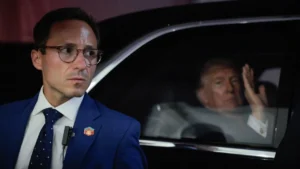
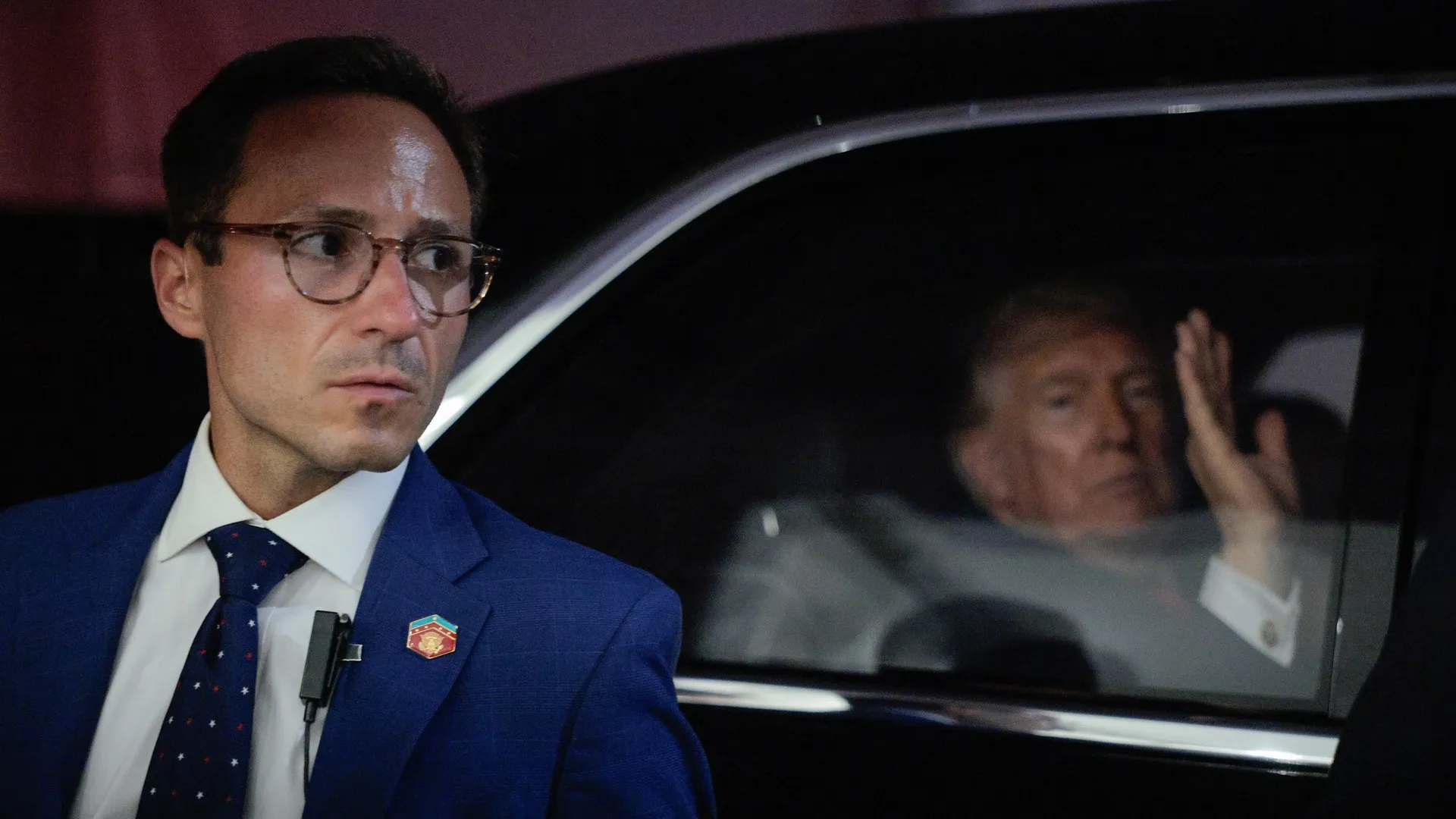
The U.S. Secret Service has opened roughly 10,000 protective intelligence investigations since January — a roughly 40% increase from the same period last year — and agency leaders say the profile of cases has shifted sharply toward online-originated threats, lone actors and more frequent mental-health interventions. At a recent press briefing, Director Sean Curran described the current environment as the most challenging of his 24-year career, saying the volume and nature of cases are “off the charts.”
What changed: more cases, earlier intervention
Officials told reporters that most new protective cases begin with online activity rather than traditional communications such as letters or phone calls. Investigators are opening files based on behavioral indicators — obsessive fixation, escalating grievances, stalking and paranoia — rather than waiting for an explicit, direct threat. The agency also reports nearly ten times as many mental-health-related interventions this year, ranging from voluntary commitments to coordination with family and health-care providers to stabilize people in crisis.
Recent operational tests and countermeasures
Director Curran defended the Secret Service’s security posture after an armed individual was intercepted outside the Washington Hilton ahead of the White House Correspondents’ Dinner in April, saying interception at a screening checkpoint about 120 yards from the podium demonstrated the plan worked as designed. Curran has emphasized that protective teams now routinely assess evolving threats — including foreign actor rhetoric and new technologies — when planning events and presidential travel.
Drone threats and foreign adversary concerns
Agency leaders identified drone technology as a fast-moving security concern. Deputy Director Matt Quinn warned it is “a matter of time” before a significant drone threat emerges, prompting the Secret Service to expand counter-drone capabilities since last year’s high-profile attempted attack. The agency now deploys detection and mitigation systems during presidential travel and other protected events, reflecting a broader shift toward integrated kinetic and electronic defenses.
Why this matters: operational and policy implications
The surge in investigations and the shift to online-originated cases have several practical and policy consequences:
- Resource strain: A marked increase in caseloads forces the agency to allocate more agents and analytic resources to monitoring, interviews and threat mitigation, potentially stretching capacity across protection, investigations and intelligence functions.
- Early-intervention approach: Opening cases on behavioral patterns rather than explicit threats aims to reduce the chance of escalation but raises questions about thresholds for intervention, civil liberties and due process when mental-health actions are involved.
- Tech and countermeasures: Counter-drone systems, online-monitoring tools and information-sharing networks are now core to protective planning, requiring continuous procurement, testing and legal review as adversaries adapt.
- Foreign influence and asymmetric threats: Persistent rhetoric from state actors and proliferating technologies lower the barrier for attackers to cause disruption, emphasizing the need for interagency coordination.
Balancing safety, rights and long-term prevention
Officials’ expanded use of mental-health interventions and family coordination underscores an attempt to blend public-safety goals with crisis stabilization. But observers caution this model requires robust safeguards: clear standards for opening investigations, transparency around intervention criteria, oversight mechanisms to prevent abuse, and investment in community mental-health services so prevention happens earlier and outside a security framework.
Looking ahead
The Secret Service is responding to a threat environment that is simultaneously higher in volume and more technologically complex. Continued emphasis on early, behavioral-based interventions and on counter-drone and online-detection capabilities will likely persist. Policymakers and agency leaders face choices about funding, legal authorities, oversight and partnerships with public-health and tech sectors to ensure protective work remains effective without undermining civil liberties.
Sources and further reading
- Report excerpt provided via RSS feed attributed to CBS News and associated reporting (source material supplied by user): CBS News.
- Official information on the agency’s mission and public releases: U.S. Secret Service.
- Context on drone threats and homeland security: U.S. Department of Homeland Security and public reporting at major outlets: Reuters, AP News.
Note: This article summarizes the reporting provided in the supplied feed and places it in broader operational and policy context. For the original reporting and full quotes from agency officials, see the news source linked above.