
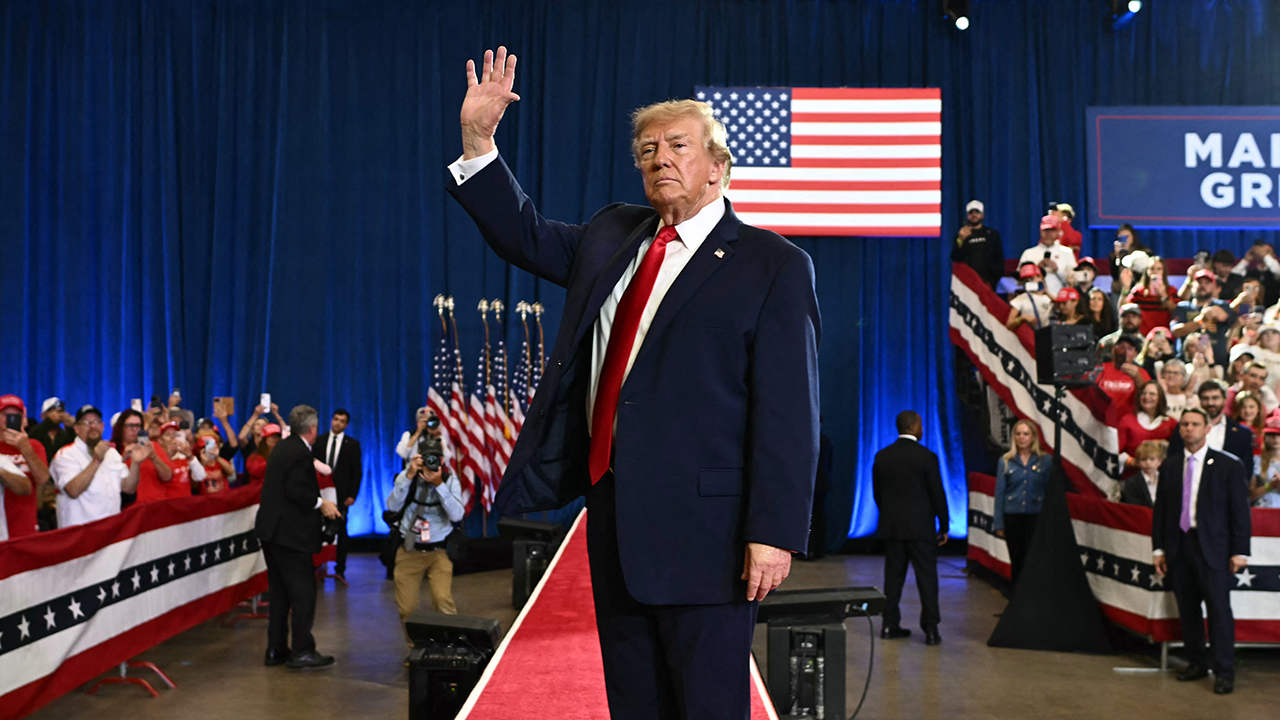
President Donald Trump announced the administration is ending a Biden-era methane regulation aimed at reducing leaks from oil and gas production. The White House framed the move as a relief for consumers and energy producers that will lower costs and boost domestic production. Environmental groups and climate scientists warned the rollback would raise greenhouse gas emissions and undermine efforts to curb climate warming.
What the Rollback Changes
The action announced removes or relaxes requirements that targeted large methane leaks and tightened standards for smaller wells and other oil- and gas-sector sources. Administration officials said the rollback ends programs that required aggressive detection and repair of so-called “super-emitters” and scales back monitoring and reporting obligations for smaller operations.
Administration Position
Administration statements cited direct cost savings for producers and consumers and argued the change will unlock additional domestic resources. Officials claim the rollback will reduce regulatory burden and support energy security and affordability. The administration presented estimated aggregate savings and production gains as central justifications for the policy change.
Environmental and Industry Reactions
Environmental groups pushed back immediately, saying relaxing methane rules will increase methane releases — a potent short-term greenhouse gas — and undermine U.S. climate commitments. Advocates highlighted that oil and gas operations remain the largest industrial source of methane emissions and argued the move will make it harder to meet near-term climate targets.
Some industry groups and independent producers welcomed the relief from compliance costs and operational complexity, saying targeted reforms can be paired with voluntary innovation and technology deployment. Other companies that already invested in leak-detection and repair programs said regulatory certainty helps long-term planning and that market and reputational incentives continue to push many firms to curb emissions.
Climate and Public Health Implications
Methane is a powerful greenhouse gas with a global warming potential far higher than carbon dioxide over a 20-year period. Increasing methane emissions accelerates near-term warming and can exacerbate ozone formation, which harms respiratory health. Analysts note that even temporary or incremental increases in methane emissions can have outsized climate impacts given methane’s potency and atmospheric lifetime.
Legal and Political Outlook
Rollbacks of environmental rules typically face legal challenges and state-level responses. Courts often examine whether agencies followed required rulemaking procedures, applied the correct legal standards, and adequately considered scientific evidence and public comments. States and environmental groups may sue to block the rollback or pursue complementary state regulations to limit methane emissions in their jurisdictions.
Politically, the move is likely to sharpen debate ahead of elections, with proponents pointing to energy security and lower costs and opponents emphasizing climate risk and public health consequences.
Context and Analysis
Policy shifts on methane reflect a broader tension between near-term economic and energy goals and longer-term climate commitments. Effective mitigation strategies identified by researchers and many companies include rapid detection and repair of large leaks, routine monitoring, and deploying technologies such as continuous monitoring sensors and improved flaring controls. Analysts argue that well-designed policy can target major emitters while minimizing undue burden on small operators.
For stakeholders and communities, the immediate questions are how much emissions may rise, how quickly producers will change operations, how states and cities will respond, and whether technological adoption can be accelerated without regulatory mandates.
Conclusion
The announced rollback is a significant shift in U.S. methane policy with likely consequences for emissions trajectories, industry compliance costs, and the politics of energy and climate policy. Expect legal challenges, state-level countermeasures, and continued scrutiny of emissions data and monitoring technology as the debate unfolds.
Sources and further reading (verify for the latest developments):
- U.S. Environmental Protection Agency — Methane Page
- Reuters — Environment & Energy coverage
- The Associated Press — Energy/Environment section
- Environmental Defense Fund — Methane
Note: This article synthesizes reporting, agency materials, and scientific context available through June 2024. Please consult the linked sources and current news outlets for the most recent, day‑to‑day developments and primary documents.