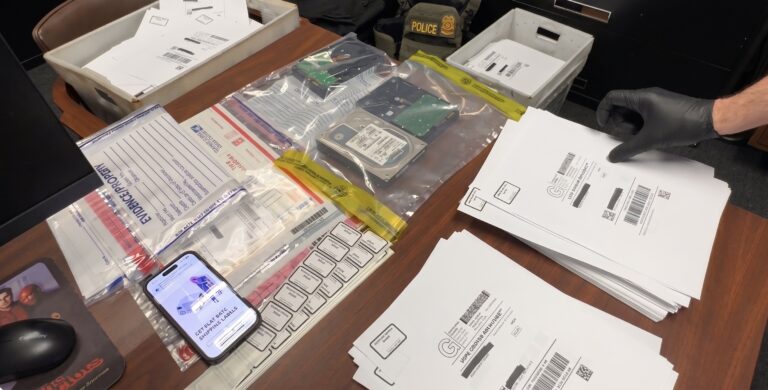




A newly unsealed document tied to Jeffrey Epstein’s 2019 death is renewing public attention on one of the most scrutinized cases in the federal prison system. A federal judge has released a note allegedly written by Epstein before his death, according to reporting from The Associated Press and CBS News. The note, which has not been authenticated, was reportedly found by Epstein’s former cellmate, Nicholas Tartaglione, after an earlier suspected suicide attempt in July 2019.
The development is significant less because it settles unanswered questions and more because it underscores how many of them remain. Epstein died in a Manhattan federal jail on Aug. 10, 2019, in a death ruled a suicide. Since then, the case has remained a flashpoint for public distrust of institutions, fueled by procedural failures, missing details and years of legal fights over sealed records.
What the newly released note says
According to the newly unsealed filing, the note allegedly includes Epstein’s claim that authorities had investigated him for months and “found nothing,” along with a line suggesting a farewell on his own terms. The document surfaced publicly after a request by The New York Times to unseal records connected to Tartaglione’s criminal case, AP reported.
U.S. District Judge Kenneth Karas said the court weighed privacy concerns before releasing the document. In his ruling, he noted that under existing case law, privacy interests for deceased individuals are significantly reduced. That legal reasoning helped clear the way for disclosure, even as the note itself remains unauthenticated and therefore incomplete as evidence.
Why this matters now
The release lands in a broader context of renewed attention on Epstein-related records and on the federal government’s handling of them. Recent document releases and reviews by the Department of Justice have kept the case in the headlines, while continuing gaps have done little to quiet public skepticism. Even without proving new claims, the note adds another layer to the timeline surrounding Epstein’s final weeks in custody.
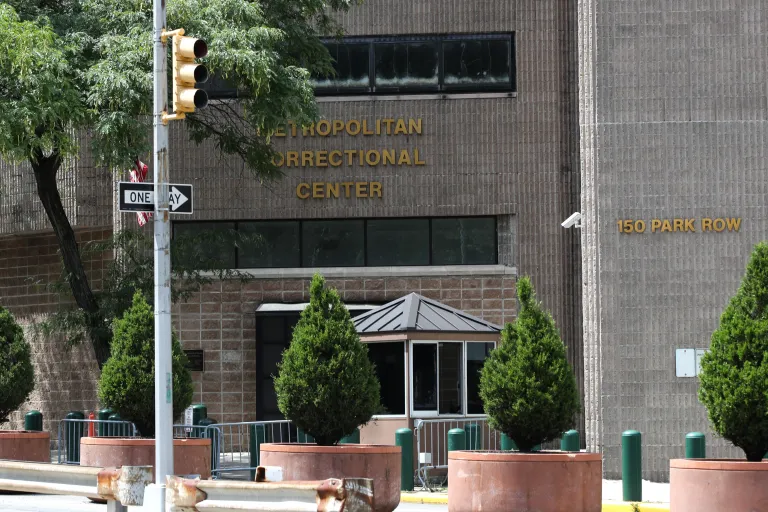
Reporting from the U.S. Department of Justice and multiple news organizations has previously documented serious failures at the Metropolitan Correctional Center in New York, where Epstein was being held. Guards reportedly failed to conduct required checks, and Epstein was left alone in a cell despite an earlier incident that had put him under heightened monitoring. Those breakdowns have remained central to criticism of the Bureau of Prisons.
The larger story is institutional accountability
For many readers, the core issue is no longer only the contents of any single note. It is whether the justice system, jail administrators and federal oversight mechanisms functioned as they were supposed to in a high-profile detention case involving a defendant with immense public visibility and connections.
That question remains especially relevant today as the Bureau of Prisons continues to face criticism over staffing shortages, inmate safety and accountability. A 2024 report from the DOJ’s Office of the Inspector General said the federal prison system still faces deep structural challenges, including staffing problems that can undermine security and care inside facilities. The watchdog has repeatedly warned that these weaknesses are not isolated to one institution. See the Inspector General’s work at the DOJ Office of the Inspector General.
More broadly, the case highlights a pattern that extends beyond Epstein: when institutions fail in a high-profile matter, every later disclosure carries outsized meaning because public confidence has already been damaged. That is part of why even an unverified note can become major national news.
What happens next
The unsealed note is unlikely to resolve longstanding disputes around Epstein’s death. Instead, it may deepen calls for fuller transparency regarding detention records, internal prison communications and the handling of sealed evidence in related proceedings. Media organizations and watchdog groups will likely continue pressing for additional releases where courts permit them.
For now, the story is best understood as a legal and institutional development: a court has opened one more piece of the record, and in doing so has reopened a public debate about the failures that surrounded Epstein’s death.
Sources
Associated Press: Judge releases alleged Jeffrey Epstein suicide note
CBS News: Jeffrey Epstein suicide note released by judge
U.S. Department of Justice Office of the Inspector General
U.S. Department of Justice