


Politics Leads the Day as Security, Diplomacy and Economic Power Collide
Monday’s political landscape is being shaped by three overlapping storylines: security around the presidency, deteriorating diplomacy with Iran, and renewed scrutiny of who controls the future direction of U.S. monetary policy.
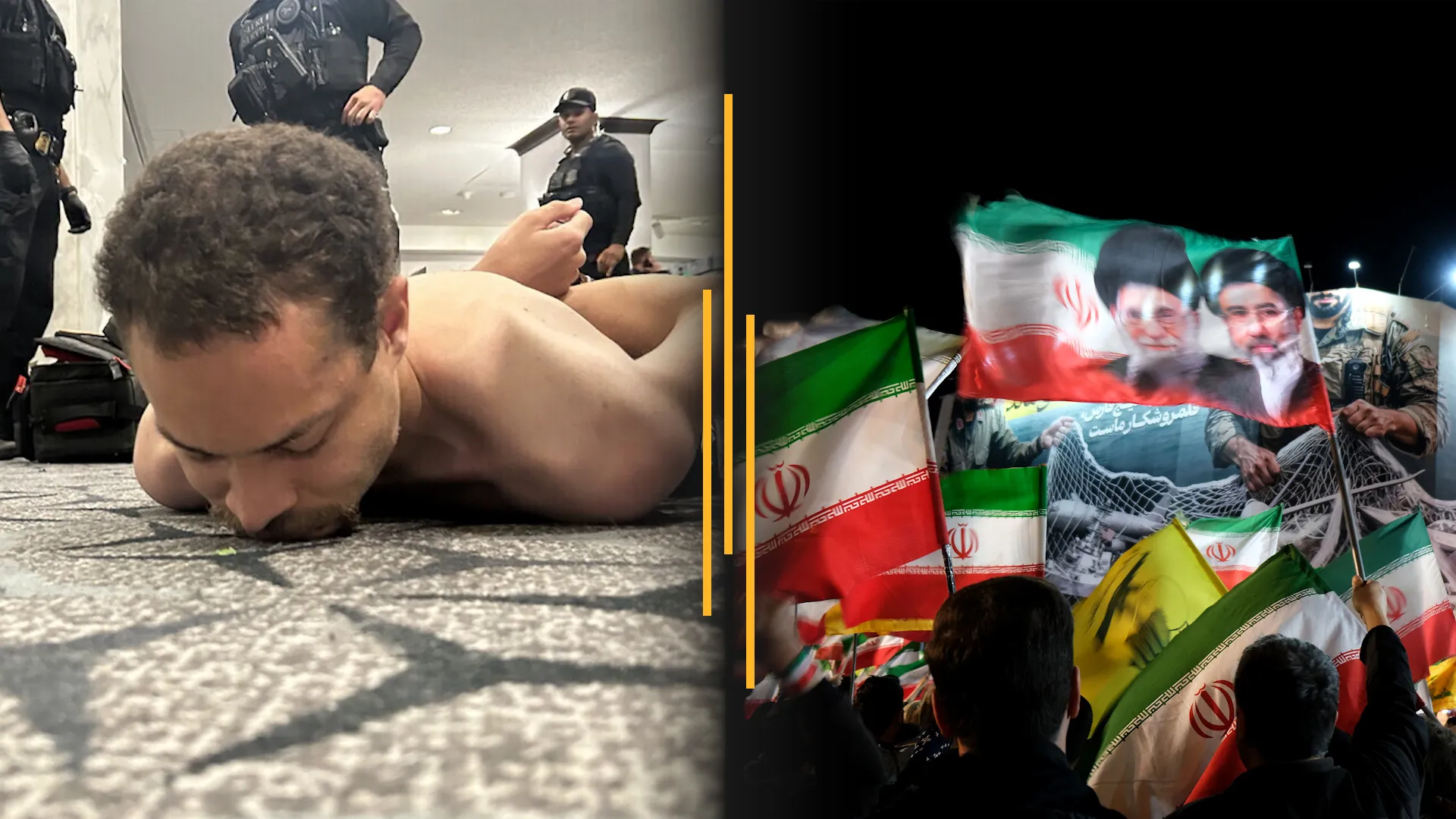
The immediate flashpoint is the aftermath of the shooting at the White House Correspondents’ Dinner, where investigators are still working to determine whether President Donald Trump was the intended target. According to the RSS report from Straight Arrow News, the suspect was due in court Monday as federal authorities reviewed writings and other evidence for motive. The incident has already reignited debate about presidential security, event protection and how exposed public officials remain even in supposedly hardened venues.
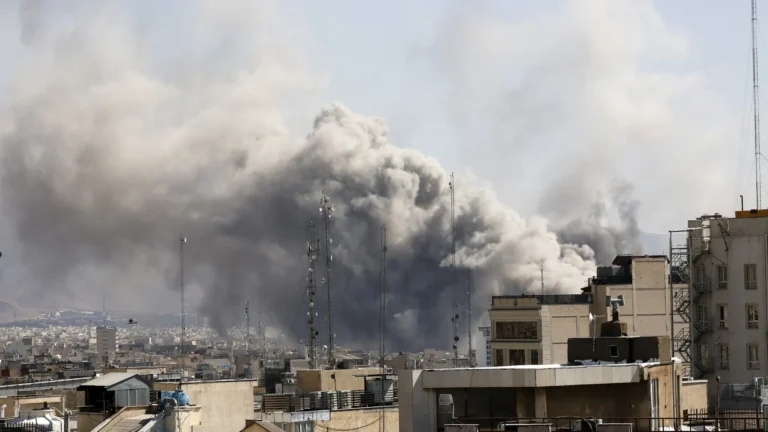
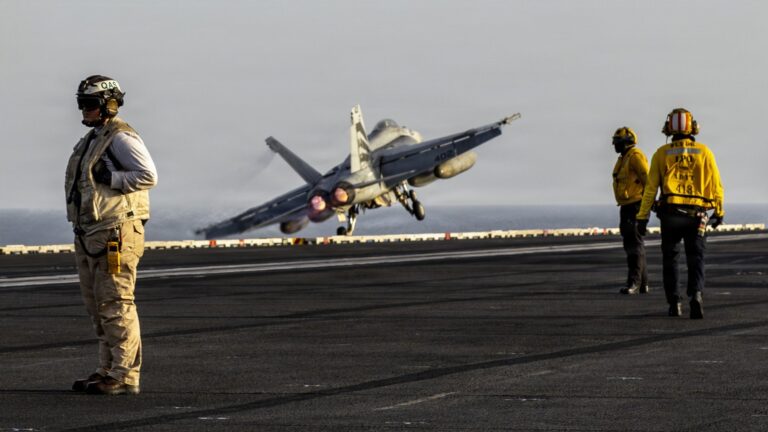
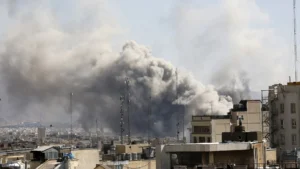
That story alone would make this a major political news cycle. But it is unfolding at the same time as a fresh diplomatic rupture between Washington and Tehran. The same Straight Arrow News report says a planned U.S.-Iran meeting was scrapped before it even began, with both governments blaming the other. That collapse matters well beyond a single canceled session. It reflects the broader fragility of efforts to contain Iran’s nuclear ambitions, calm maritime tensions in the Strait of Hormuz and avoid wider regional escalation.
Adding to the significance of the moment, the United Kingdom is proceeding with King Charles III’s state visit to Washington despite the weekend’s violence. That visit is not just ceremonial. It comes amid unresolved tensions over Iran and serves as a reminder that diplomacy often continues even during periods of acute domestic instability.
The Broader Story: Political Risk Is No Longer Confined to One Arena
What makes this moment especially notable is how many centers of political power are under strain at once.
First, there is the issue of physical security. Threats against elected leaders have been rising for years. The U.S. Capitol Police and other agencies have repeatedly warned that the environment for political violence has worsened. In recent years, the number of threat assessments involving members of Congress has remained elevated, reinforcing concerns that political rhetoric and real-world violence are increasingly intertwined. Reuters and the Associated Press have both regularly documented the broader trend of threats targeting public officials and democratic institutions, underscoring that attacks or attempted attacks are no longer treated as isolated abnormalities but as part of a dangerous political climate. See reporting from Reuters and AP News.
Second, there is diplomatic instability. The breakdown in U.S.-Iran engagement fits a larger pattern. Nuclear diplomacy with Iran has repeatedly stalled since the effective unraveling of the 2015 nuclear agreement, formally known as the Joint Comprehensive Plan of Action. Background on the original agreement and its long-running disputes is available from the International Atomic Energy Agency, the U.S. State Department and explainer coverage from BBC News. Every failed round of talks increases the risk of miscalculation, especially when energy transit routes and regional military postures are involved.
Third, there is institutional power inside Washington itself. The RSS roundup also highlights movement toward Kevin Warsh’s confirmation as Federal Reserve chair after Sen. Thom Tillis said he would lift his blockade. That may sound like a niche procedural development, but it has enormous political and economic implications. The Federal Reserve’s independence is one of the most consequential guardrails in American governance. Any sign that the White House could shape rate policy through political pressure tends to alarm markets, lawmakers and economists alike. For background on the Fed’s role and independence, see the official Federal Reserve website and analysis from The Wall Street Journal and Financial Times.
Why This Matters Now
The latest politics news is not just about individual headlines. It is about convergence.
When presidential security questions, foreign policy breakdowns and central bank leadership fights all hit at the same time, they reveal how interconnected modern governance has become. A violent incident at a Washington event can alter diplomatic optics. A failed foreign negotiation can affect allied visits and military readiness. A political decision about the Fed can influence inflation expectations, borrowing costs and campaign narratives.
That is why Politics is the right category here. The feed is fundamentally about the exercise, vulnerability and consequences of power.
Even the side stories in the roundup point back toward governance: law enforcement credibility, judicial process, foreign alliances and public trust in institutions. In that sense, this is not merely a collection of separate updates. It is a snapshot of a political system managing security shocks, international pressure and internal power struggles all at once.