




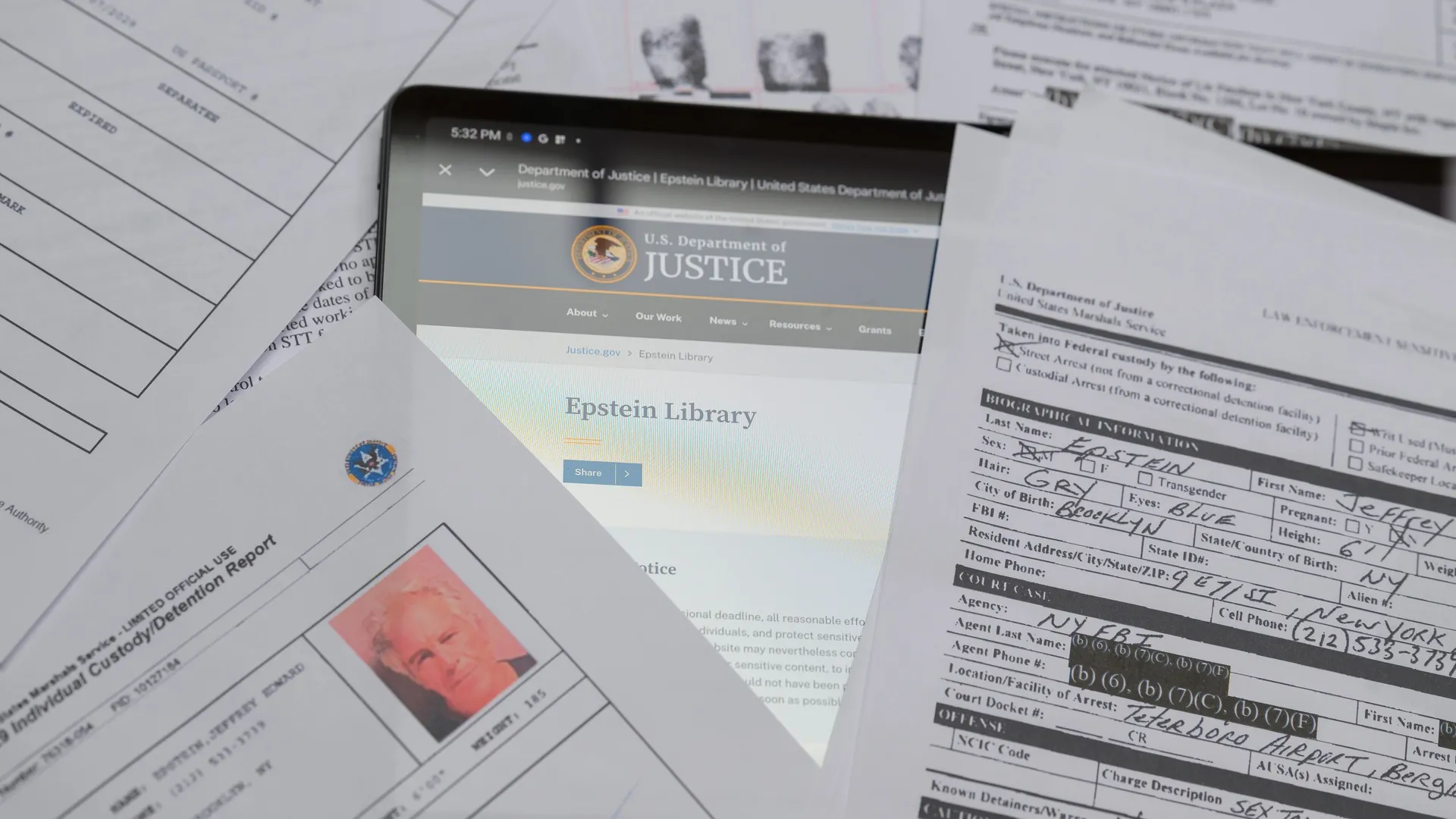
The Justice Department’s internal watchdog has opened an audit into how the agency handled the release of records tied to Jeffrey Epstein, a move that pushes a long-simmering transparency controversy back into the center of Washington. According to the Department of Justice Office of the Inspector General, the review will examine how officials identified, collected, redacted and released records under the Epstein Files Transparency Act, as well as how they responded after some documents were published and later taken offline.
Why this audit matters
At first glance, this may look like an administrative records dispute. In practice, it is becoming a test of public trust in one of the most politically sensitive document releases in recent years. The law required the department to make Epstein-related files public on a strict timeline, but the rollout quickly drew criticism after incomplete releases, delayed postings and broken links raised fresh questions about whether the public was getting the full picture.
Straight Arrow News reported that the department initially met the legal deadline only in part, then later released additional batches totaling millions of pages before pulling tens of thousands of files from public access. That sequence triggered criticism from lawmakers in both parties and from survivors who said the process appeared chaotic and insufficiently transparent. The original report can be found here.
Bipartisan pressure is driving the story
One reason this story belongs squarely in politics is the unusual bipartisan coalition behind demands for answers. The release legislation was championed by Democratic Rep. Ro Khanna and Republican Rep. Thomas Massie, two lawmakers who do not often share the same headline but have both argued that the government owes the public a complete accounting of how these files were handled. Their pressure reflects a broader dynamic in Washington: distrust of institutions now routinely unites lawmakers who otherwise agree on little.
That political pressure has grown because the Justice Department has argued that at least some material needed to be withheld to protect victims’ identities and avoid jeopardizing ongoing investigative matters. That defense is plausible and, in many cases, necessary. But when records are posted, then removed, and when the public encounters missing files without clear explanations, the vacuum gets filled by suspicion. In a case already surrounded by years of conspiracy theories, elite connections and public anger, process failures are not minor errors. They become political accelerants.
The larger 2026 politics backdrop
The audit also lands at a moment when government transparency and institutional accountability remain major national themes. Across Washington, watchdogs, inspectors general and congressional investigators have been pulled into broader political fights over access to information, executive branch power and public credibility. Recent Justice Department oversight disputes reported by major outlets including CBS News and CNN show how this case is now being treated not just as a legal matter, but as a governance issue with national political consequences.
The leadership turmoil tied to the rollout has only deepened that perception. The controversy contributed to the earlier removal of Attorney General Pam Bondi, while Acting Attorney General Todd Blanche has defended the department’s approach and signaled he does not plan to reopen the broader question. Leadership changes tied to a records-release controversy are rare enough to ensure that this remains more than a bureaucratic audit. It is now part of the political story about competence, control and accountability inside federal law enforcement.
What to watch next
The inspector general says it will issue a public report when the audit is complete. That report could become one of the more important accountability documents of the year, depending on what it finds. If the review concludes that delays and removals were driven by legitimate victim-protection concerns and procedural caution, it may calm some of the criticism. But if it finds breakdowns in internal coordination, inconsistent redaction standards or failures to comply with the law’s requirements, lawmakers will almost certainly use those findings to push for further hearings and reforms.
There is also a broader lesson here. Transparency is not just about releasing documents; it is about releasing them in a way the public can understand and trust. In politically explosive cases, half-complete disclosure can be worse than delay because it creates the appearance of manipulation even where none may have been intended.
For now, the latest development is clear: this is no longer only a story about Epstein records. It is a story about how government institutions perform under political pressure, and whether they can still persuade the public that accountability is more than a slogan.
Sources
DOJ Office of the Inspector General — Audit announcement
U.S. Department of Justice — Epstein records portal
Straight Arrow News — Original report
CBS News — Coverage of inspector general review
CNN — Political reporting on the audit