

Summary
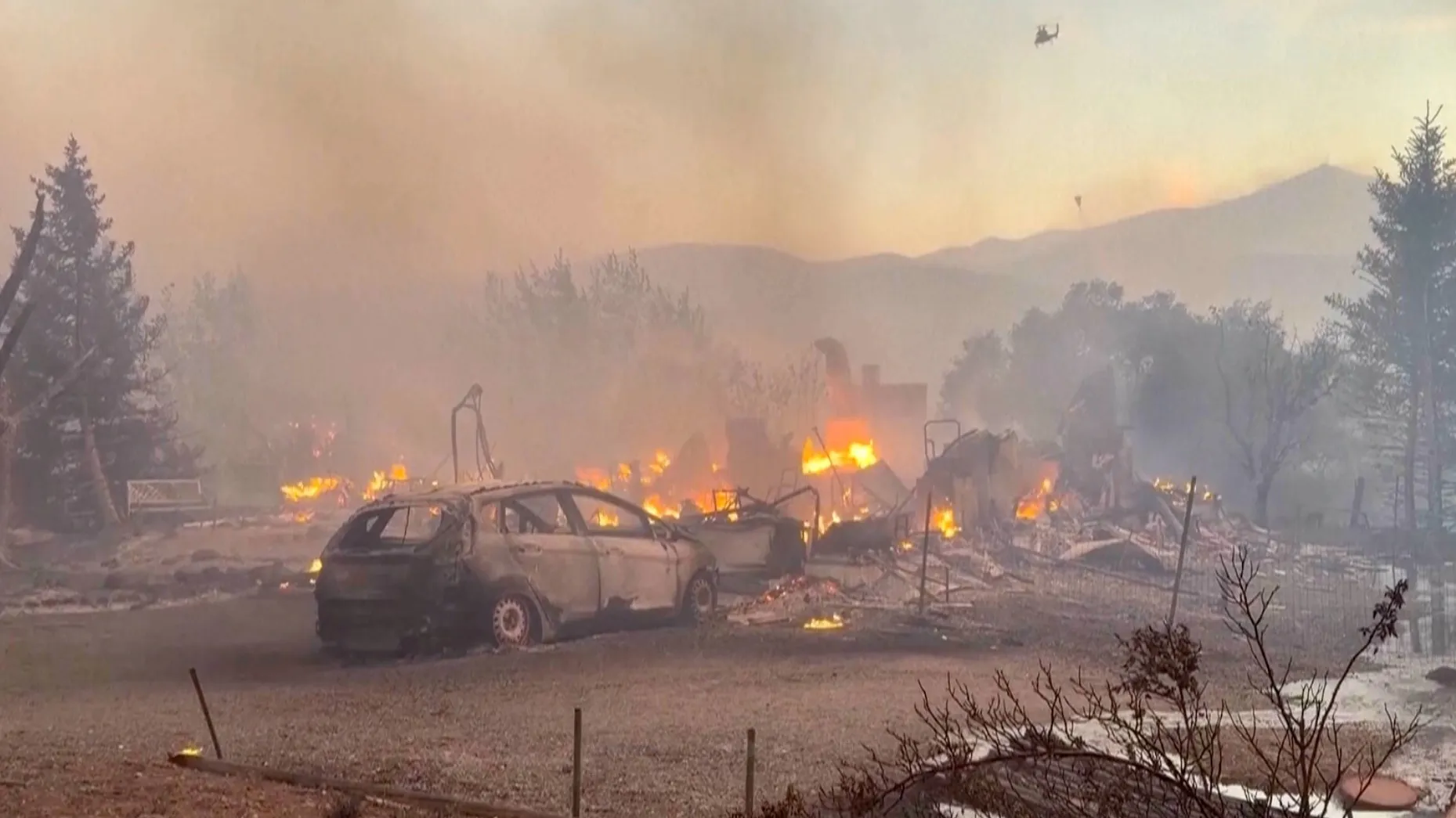
Fire crews made progress containing the Hawk Fire near Reno, Nevada, even as roughly 63,000 residents remained inside evacuation zones while officials worked to assess property damage and public safety on Monday. Local, state and federal resources have been mobilized to protect life and property, while shelters and community support systems receive evacuees.
Current incident status
According to statements from local incident command, firefighters have focused on creating containment lines, using aircraft for targeted water and retardant drops, and conducting structure protection near threatened neighborhoods. With winds, terrain and dry fuels complicating operations, crews are prioritizing life-safety, critical infrastructure and the most at-risk communities while patrols monitor remaining hotspots.
Human impact and evacuations
Evacuation orders and warnings affecting tens of thousands of residents have forced many families from their homes. Local emergency management agencies have opened shelters and points of distribution for food and supplies. Officials emphasize that evacuation zones remain in effect until areas are confirmed safe; residents should not return until authorities rescind orders to avoid exposure to hazards including unstable structures, smoldering debris, downed power lines and poor air quality.
Damage assessment and recovery steps
Teams from local government, fire agencies and building inspectors are conducting systematic damage assessments once immediate hazards allow. These assessments determine whether structures are habitable, what utilities must be disconnected, and what recovery assistance may be available. Residents should document damage with photographs and lists of belongings, keep records of all expenses, and contact their insurance carriers promptly.
Air quality, health and public safety
Smoke from wildfires can linger and cause hazardous air quality conditions for communities downwind. Sensitive groups—children, older adults, people with heart or lung disease—should limit outdoor activities and follow local health guidance. Local public health departments often provide mask distribution, air-filtering shelter locations, and up-to-date air quality indexes for the region.
Resources and where to find help
- Evacuation and shelter locations: follow directives from the Washoe County Emergency Management and local city pages.
- Incident updates and maps: check InciWeb (National Interagency Fire Center’s incident information) for official fire maps and containment updates.
- State wildfire and forestry resources: Nevada Division of Forestry and National Interagency Fire Center (NIFC) offer preparedness and response guidance.
- Recovery and federal support: FEMA provides information on disaster assistance programs when federal aid is available.
Context: why western wildfires remain a recurring threat
Wildfire seasons across the western U.S. continue to be influenced by long-term trends such as multi-year drought, bark beetle–killed forests, and earlier snowmelt that lengthens the dry season. Land management, climate variability and development patterns at the wildland-urban interface also shape the risk profile for communities near forests and sagebrush country. Investments in fuels reduction, community preparedness, resilient building practices and timely evacuation planning reduce loss of life and speed recovery.
What residents can do now
- Follow official evacuation orders; don’t return until authorities say it’s safe.
- If evacuated, keep evacuation receipts and document any expenses; take photos of damage for insurance and aid claims.
- Monitor local media and official county social channels for the latest road closures, shelter openings and re-entry instructions.
- Protect health by checking local air quality indices and using N95/KN95 masks if smoke is dense; consider HEPA air filters indoors if available.
- When safe to return, assume hazards: do not touch downed power lines, avoid smoldering debris, and follow guidance from building inspectors.
Sources and further reading
- InciWeb — National Wildfire Coordinating Group incident information: https://inciweb.nwcg.gov/
- National Interagency Fire Center (NIFC): https://www.nifc.gov/
- FEMA wildfire resource center: https://www.fema.gov/
- Nevada Division of Forestry: https://forestry.nv.gov/
- Local coverage and updates: Reno Gazette-Journal wildfire coverage: https://www.rgj.com/
For the latest, real-time updates on containment, evacuations, and shelter information, please consult the official county emergency management and incident command pages above.