




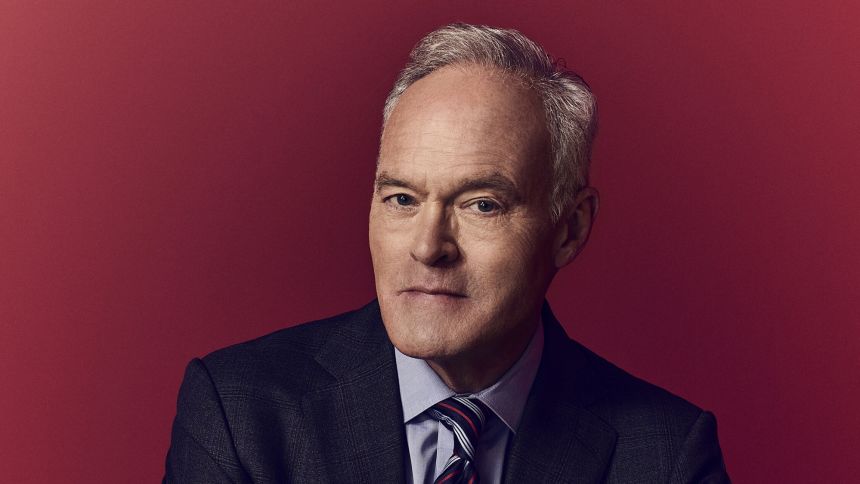
CBS News has fired long-time “60 Minutes” correspondent Scott Pelley, according to the news feed provided. The termination followed a staff meeting in which Pelley publicly criticized the program’s new leadership and accused them of undermining the show’s legacy. The firing escalates internal tensions at CBS and raises questions about editorial independence, newsroom culture, and the influence of corporate ownership.
What happened
According to the supplied report, Pelley was terminated “for cause” after a staff-wide meeting where he sharply questioned newly appointed executive producer Nick Bilton and leveled serious critiques at editor in chief Bari Weiss. Bilton said Pelley had demonstrated “antipathy to the future of the show” and described Pelley’s behavior as a “performative display of hostility.”
In that meeting, Pelley criticized last week’s firings of top producers and two correspondents and accused Weiss of “murdering” the program, saying she had been “brought in to kill it.” Pelley later said the changes were eroding the program’s DNA and framed his statements as a defense of professional standards and fairness for the program’s audience.
CBS’s new leadership, by contrast, framed the overhaul as an effort to revive a struggling TV news division and reorient shows to new digital audiences. Bilton, a filmmaker and former tech reporter with little TV news experience, was appointed as executive producer and has been one of several controversial hires under Weiss.
Immediate fallout
- Pelley said in a statement that he was leaving because the leadership had “become untenable” and that the program had “lost its DNA.”
- Bilton’s termination letter to Pelley, shared with staff, cited the public confrontation and concluded Pelley was not interested in collaborating on the show’s future.
- Industry observers immediately suggested Pelley might pursue legal action, and the episode has intensified scrutiny of Weiss’s leadership approach.
Where this fits in the broader context
The confrontation comes amid wider turbulence at CBS and its corporate parent. The supplied report links recent newsroom changes to shifts at the corporate level, including steering toward closer relations with political figures — a relationship some critics argue has pressured journalistic decision-making. The report also references a prior lawsuit filed by former President Donald Trump connected to a “60 Minutes” interview, and noted that corporate decisions around that case previously shaped how the network handled legal risk.
Whether those high-level corporate ties are directly responsible for newsroom personnel decisions is contested; CBS leadership contends the moves are aimed at modernization and audience growth.
Analysis: newsroom leadership and the risks of rapid change
The Pelley episode crystallizes several chronic tensions in legacy broadcast newsrooms undergoing rapid change:
- Leadership vs. legacy: Established programs with long histories carry institutional norms and expectations. Sudden leadership changes and the appointment of outsiders can provoke resistance among veteran staff who see new direction as a threat to editorial identity.
- Public confrontations: When newsroom disagreements play out publicly or leak outside, they escalate faster and make internal compromise harder. That dynamic almost certainly shaped the decision to terminate Pelley “for cause.”
- Corporate influence and perception: Changes at the ownership level make newsroom decisions more vulnerable to interpretation as politically or commercially motivated. Perception alone can undermine trust in editorial independence, even if the immediate decisions were made on managerial grounds.
What to watch next
- Legal developments: Observers expect potential legal action by Pelley. Watch for any filings or public statements from Pelley’s representatives that would clarify whether this becomes a labor or contract dispute.
- Internal staff morale and departures: The resignations or further departures of senior producers or correspondents would be a sign that change is continuing to ripple through the program.
- Editorial direction of “60 Minutes”: Future shows will signal whether the new leadership’s stated goal of modernization translates into different story selection, tone, or format.
- Corporate posture: Any public statements or filings by Paramount or CBS about strategy with respect to news operations — and any regulatory or approval processes connected to corporate deals — will be relevant to understanding the broader strategic incentives.
Voices from the room
From the supplied account: Bilton wrote that Pelley had “hijacked my first meeting with staff to disparage me, my qualifications, and my intentions with remarkable incivility and contempt.”
Pelley said in his statement that people were “silenced because they stood up for our audience” and that the “leadership of 60 Minutes is no longer recognizable.”
Bottom line
The firing of a high-profile correspondent like Scott Pelley — under circumstances that involved a vocal public confrontation and sharp internal disagreement — is a flashpoint that puts the spotlight on newsroom culture, leadership choices, and corporate influence. For audiences and industry observers, the immediate questions are both operational (how will “60 Minutes” continue, and who will fill key roles?) and institutional (what does this mean for editorial independence and the future shape of legacy news programming?).
Sources (report provided): CNN coverage of the termination (feed supplied), reporting first noted in Puck on the staff meeting, and institutional pages for CBS and “60 Minutes” for program context. For further reading and verification, see:
Note: This article is based primarily on the supplied RSS feed text and public institutional pages cited above. Readers should consult the original reporting for direct quotes and any subsequent updates.