
Reports say one person has died and hundreds have fallen ill in a salmonella outbreak in the UK that public-health experts believe is linked to foods made with imported eggs. Public health agencies and food-safety authorities are investigating the source, tracing supply chains and issuing guidance to consumers while testing and recall processes continue.
What is salmonella and how does it spread?
Salmonella is a group of bacteria that commonly cause foodborne illness (salmonellosis). Typical symptoms include diarrhea, fever, and abdominal cramps, usually appearing 6–72 hours after exposure. Most people recover in several days without treatment, but severe cases can require hospitalization, and vulnerable groups (young children, the elderly, pregnant people, and those with weakened immune systems) are at higher risk of complications. Public health guidance and background information on salmonella are available from the World Health Organization and the U.S. Centers for Disease Control and Prevention:
What investigators look for in an egg-linked outbreak
When eggs are suspected, investigators typically combine epidemiology (who got sick and what they ate), laboratory testing (isolating and sequencing the bacteria), and trace-back work through retail and wholesale supply chains to identify a contaminated batch or supplier. If imported eggs or egg-containing products are implicated, agencies will also examine import records, batch testing results, and any related distribution routes.
Who is leading the response and what are they doing?
In the UK the Food Standards Agency (FSA) and the UK Health Security Agency (UKHSA) normally coordinate outbreak responses: identifying cases, issuing consumer guidance, recommending recalls where appropriate, and communicating with industry to stop further distribution of contaminated product. For guidance on eggs and egg products, see the FSA and UKHSA pages below:
Imported eggs and supply-chain controls
Imported food is subject to testing and documentation requirements. Where imported eggs are implicated, authorities will review import documentation, testing records, certificates from exporting countries, and compliance with hygiene and animal-health standards. UK guidance on importing food and the checks for imported food provides the framework for how these investigations proceed:
- UK government — Imports and exports of food from the EU and overseas
- FSA — Importing food (business guidance)
Practical advice for consumers now
- If you feel unwell with diarrhea, fever, or severe abdominal pain, contact your GP or local health services — particularly if you are in a high-risk group.
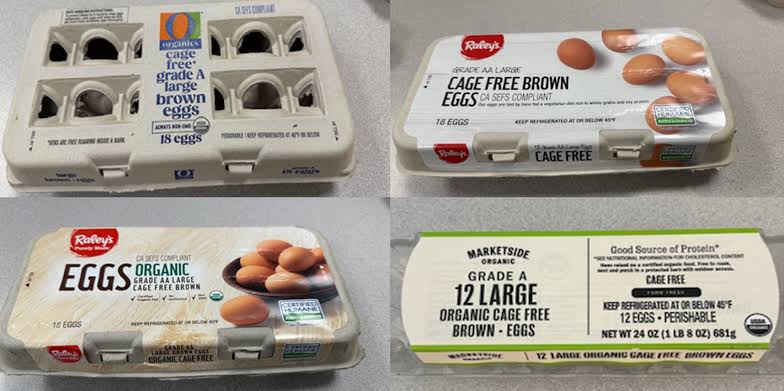
- Discard any suspect recalled products and follow recall instructions from retailers or the FSA. Do not consume egg products of unknown origin.
- Observe safe handling: keep raw eggs and foods containing them refrigerated, avoid cross-contamination (use separate utensils and boards), and cook egg dishes thoroughly until both white and yolk are firm.
- Wash hands and clean surfaces after handling raw eggs. Vulnerable people should avoid high-risk uncooked egg dishes (e.g., homemade mayonnaise, mousse) unless pasteurised eggs are used.
Longer-term implications and what to watch for
An outbreak linked to imported eggs raises broader questions about traceability, testing regimes in exporting countries, and the speed of recalls. Public-health experts may call for:
- Improved traceability and clearer labelling of origin for eggs and egg-derived ingredients,
- Enhanced targeted testing of imported egg batches, and
- Stronger cooperation between exporting countries’ veterinary and public-health agencies and UK authorities to address upstream contamination risks.
Follow updates from the FSA and UKHSA for official recall notices and the latest case counts as the investigation proceeds.
Further reading and official resources
- Food Standards Agency — Eggs and egg products
- UK Health Security Agency (UKHSA)
- CDC — Salmonella
- WHO — Foodborne diseases (fact sheet)
- UK government — Imports and exports of food from the EU and overseas
Note: This article summarizes the public-health situation as reported and outlines standard investigative and consumer-protection steps. For the latest official advice and recall notices, check the Food Standards Agency and UKHSA websites.