
A worrying rise in kindergarten vaccine exemptions and what it means
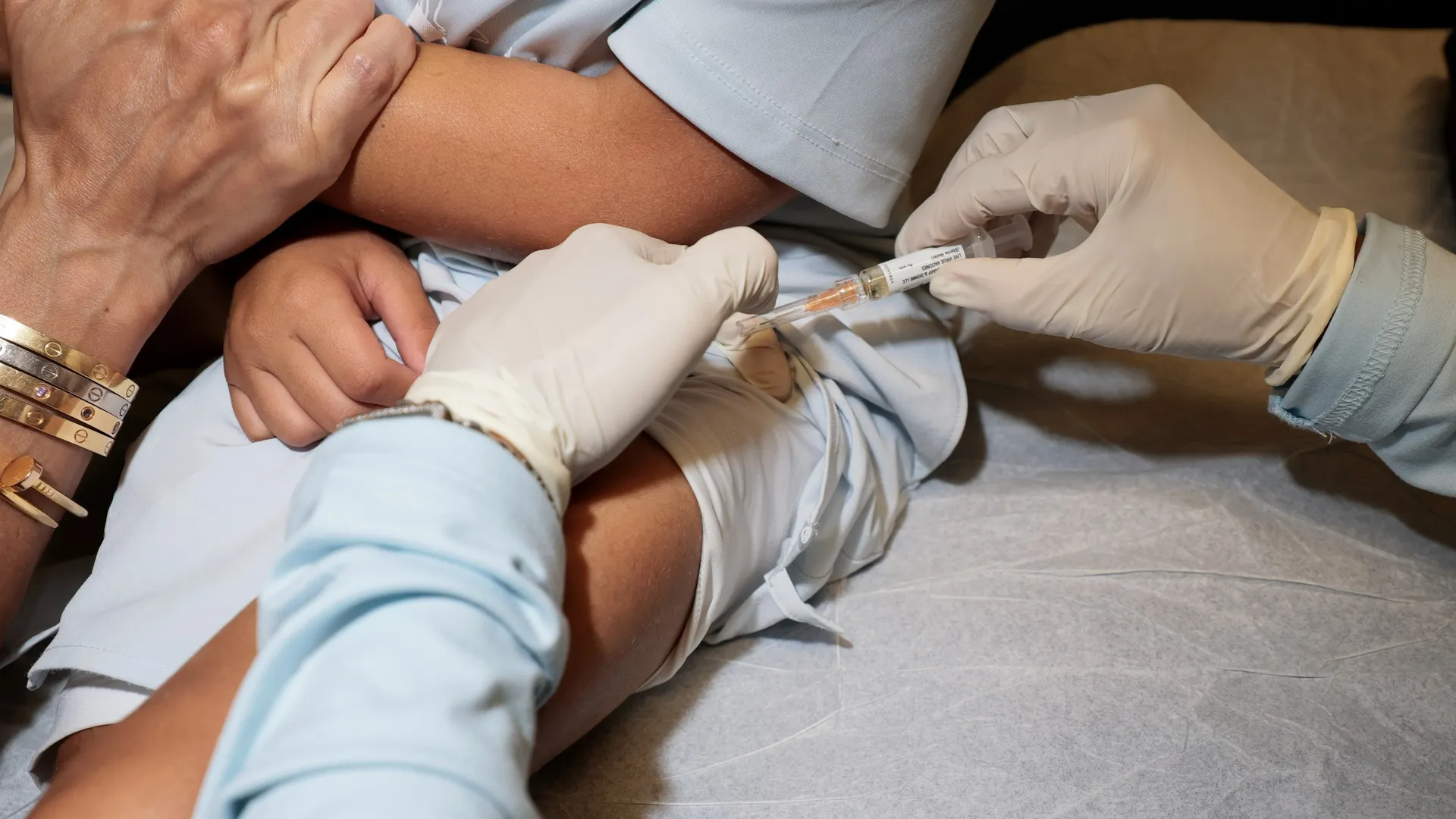
The share of kindergartners with at least one vaccine exemption reached 4.2% this year, nearly double the 2.2% from five years ago. That increase — concentrated in pockets across the country — reduces community protection against highly contagious diseases and raises the risk of local outbreaks of measles, pertussis and other vaccine-preventable illnesses.
What the data and experts are saying
Public-health monitoring by federal and state agencies shows uneven vaccination coverage and growing numbers of non‑vaccinated children in some school districts. While many states maintain high overall coverage, clustering of exemptions in particular schools and communities lowers neighborhood-level immunity and makes outbreaks more likely even when national averages appear stable.
Federal tracking tools and independent policy observers highlight three overlapping drivers behind the rise: 1) pandemic-era disruptions to routine care and catch-up vaccination; 2) persistent and amplified misinformation and hesitancy about vaccine safety; and 3) differences in state laws and administrative ease of obtaining exemptions.
Why this matters now
- Lower local immunity: Vaccines rely on high, evenly distributed coverage to prevent transmission. Even modest increases in exemption rates concentrated geographically can produce vulnerable pockets where disease can spread.
- Real-world outbreaks: Measles and pertussis remain threats in communities with low coverage. Measles, especially, requires very high population immunity to prevent outbreaks because of how contagious it is.
- Equity and access: Declines in routine vaccination can reflect access barriers that hit low‑income and medically underserved families harder, widening health disparities.
Policy and public-health responses being pursued
States and school districts are using several strategies to respond:
- Strengthening school entry requirements and enforcement: Some jurisdictions are tightening administrative steps to claim nonmedical exemptions, improving recordkeeping, and increasing follow-up to ensure children are brought up to date.
- Expanding access: Public clinics, school-based vaccination events, and easier scheduling are being used to reach families who missed routine care during the pandemic.
- Targeted education: Local outreach programs that work with pediatricians, trusted community leaders and schools can reduce misinformation and improve confidence.
Practical steps for parents, schools and community leaders
- Parents: review your child’s vaccination record and talk with your pediatrician about any missed doses; school nurses can help identify gaps and provide information on local clinics.
- Schools: identify clusters of exemptions, notify families about catch-up clinics, and partner with local health departments to host on-site vaccination events.
- Policymakers and health departments: ensure clear, consistent rules for exemptions and reduce administrative barriers to getting kids caught up on routine immunizations.
Looking ahead
Rising exemption rates are an early warning signal rather than an inevitable path to large-scale outbreaks. Timely, targeted action — improving access to vaccines, stepping up local outreach, and sensible policy adjustments — can restore high coverage and protect children and communities. Public-health authorities stress that maintaining routine childhood immunizations is one of the most effective ways to prevent disease, protect schools from disruption, and reduce health-care costs associated with outbreaks.
Sources and further reading
- Centers for Disease Control and Prevention (CDC) — SchoolVaxView: school vaccination coverage and exemption data: https://www.cdc.gov/vaccines/imz/coverage/schoolvaxview/index.html
- Kaiser Family Foundation (KFF) — State vaccine exemption laws and trends: https://www.kff.org/vaccine-policy/issue-brief/state-vaccine-exemption-laws/
- World Health Organization (WHO) — Vaccine hesitancy and global vaccination challenges: https://www.who.int/health-topics/vaccines-and-immunization
- CDC — Measles and the importance of high vaccination coverage: https://www.cdc.gov/measles/about/index.html
- CDC — Vaccine safety information for families: https://www.cdc.gov/vaccinesafety/index.html