


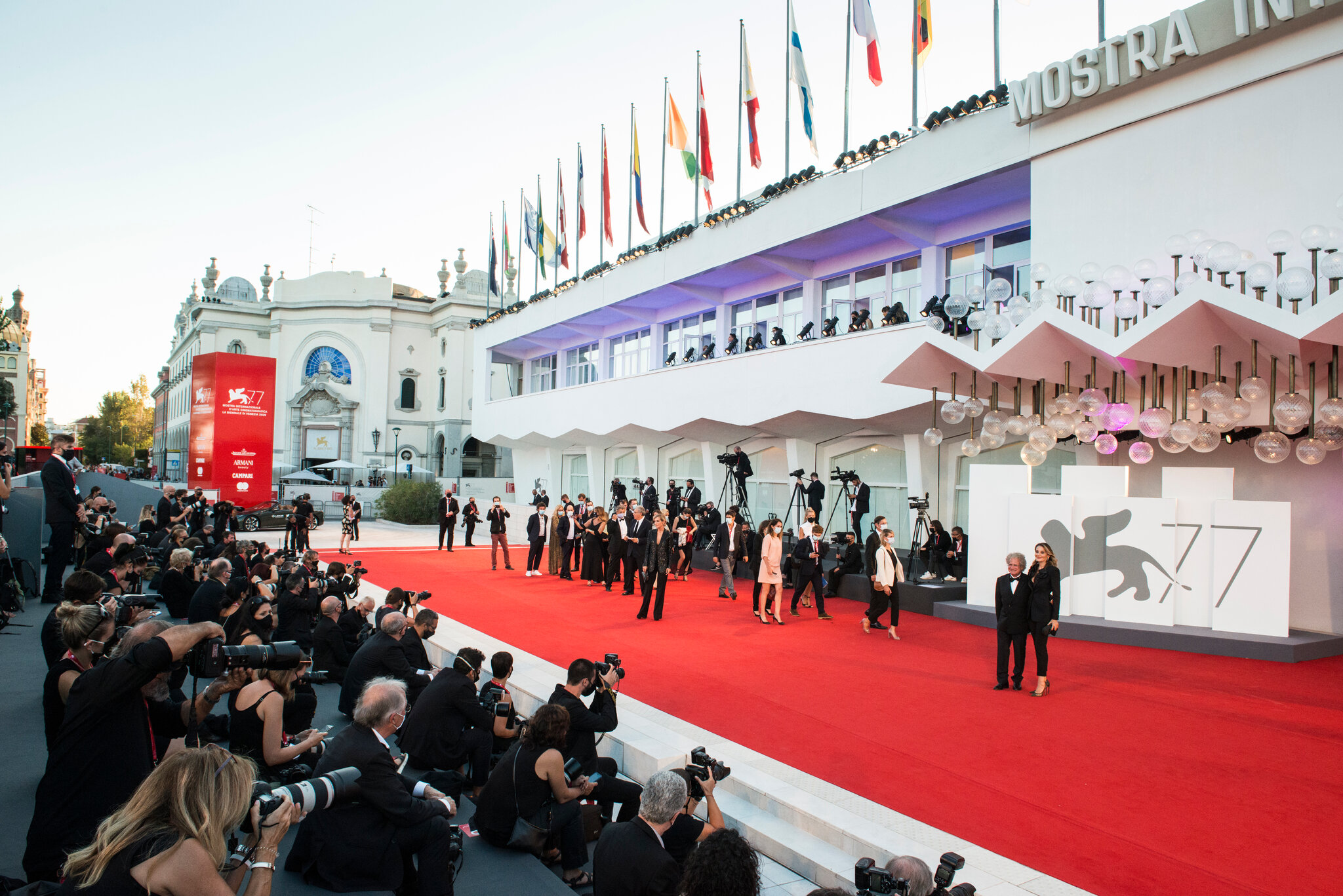
The Venice Film Festival rolled out a slate of high-profile premieres that underscore two clear trends in contemporary cinema: filmmakers engaging directly with the social power of billionaires, and an inward turn toward intimate stories that probe grief, loyalty and family. Among the most talked-about debuts were Alex Gibney’s sprawling documentary Musk, Florian Zeller’s bilingual psychological drama Bunker, and Casey Affleck’s meditation on loss, Company.
Gibney’s Musk: documentary as investigation
At nearly four hours and including an intermission, Alex Gibney’s Musk aims to be both portrait and probe: a study of one of the world’s most consequential public figures and an investigation into how concentrated wealth and influence reshape institutions and narratives. Gibney — whose previous investigations have taken on Enron, Elizabeth Holmes and Scientology — told reporters that he initially approached the project as an admirer but found the arc of the film shifting as he followed the facts and sources.
This is documentary filmmaking in its investigative tradition: long-form, deeply reported, and designed to challenge the public mythology that surrounds certain contemporary titans.
Bunker: the billionaire as dramatic catalyst
Florian Zeller’s Bunker uses the premise of an architect commissioned to design a survivalist bunker for a tech billionaire to explore fear, ecological anxiety and social isolation through the lens of a marriage. With Penélope Cruz and Javier Bardem playing the couple at the film’s center, Zeller frames topical anxieties — wealth inequality, climate risk, the retreat of elites into private fortresses — as personal dilemmas about fidelity, trust and moral accountability.
Of note is the film’s bilingual authenticity: Cruz has spoken about the film’s depiction of a family that relocated from Madrid to London yet keeps Spanish as its home language. That choice reflects a broader industry shift: global stories and multilingual households are increasingly treated as naturalistic elements of contemporary cinema rather than stylistic novelties.
Affleck’s Company: grief, family and a gothic edge
Casey Affleck’s Company premiered as a more intimate counterbalance to the festival’s larger socio-political canvases. Described as a meditation on grief and compassion with gothic undertones, the film centers on the fallout from a mysterious woman’s intrusion into a holiday gathering in winter 1975. Affleck’s decision to cast members of his own family alongside established actors such as Nick Nolte and Ben Mendelsohn deepens the film’s private tenor: an exploration of how memory, loss and reconciliation play out within family systems.
What these premieres say about contemporary cinema
- Power, accountability and spectacle: Filmmakers continue to interrogate the cultural power of billionaires — not only as subjects of journalistic exposés but as catalysts for fictional drama. The divide between documentary investigation and narrative dramatization is narrowing as both forms pursue questions about influence, secrecy and responsibility.
- Intimacy amid crisis: Other festival selections favor inward, character-driven stories that use the extraordinary to illuminate personal truth. Grief narratives and family dramas remain fertile ground for filmmakers seeking emotional depth in the context of wider social tensions.
- Global and bilingual storytelling: Films that reflect multilingual households and transnational experiences are finding more mainstream acceptance, moving beyond festival curiosities toward commercial viability.
Industry implications and awards positioning
Venice has long set the tone for the awards season. Films that premiere there often shape discussions around the fall and winter release calendar and can influence distributor strategies. A documentary of the scale of Musk could complicate traditional release models for investigative films, while star-driven dramas like Bunker and intimate pieces like Company can both become awards-season players depending on critical reception and subsequent release plans.
What to watch next
For industry watchers and cinephiles, the coming weeks will reveal how distributors position these titles for wider audiences and award consideration. Pay attention to North American release dates, festival reactions (reviews, jury teasers), and early distribution deals; they will indicate whether these films become part of the season’s central conversation or remain festival highlights with niche momentum.
Sources
This piece draws on reporting from the Associated Press coverage of the Venice Film Festival premieres and contextual information about the filmmakers and the festival landscape.
- Associated Press — Venice Film Festival coverage (source material provided)
- Alex Gibney — background on documentary work
- Florian Zeller — playwright and filmmaker
- Casey Affleck — background and filmography
- Venice International Film Festival — official site
If you publish this story to a website, consider appending local review excerpts and festival jury statements as they become available to deepen the piece’s critical perspective.