




Overview
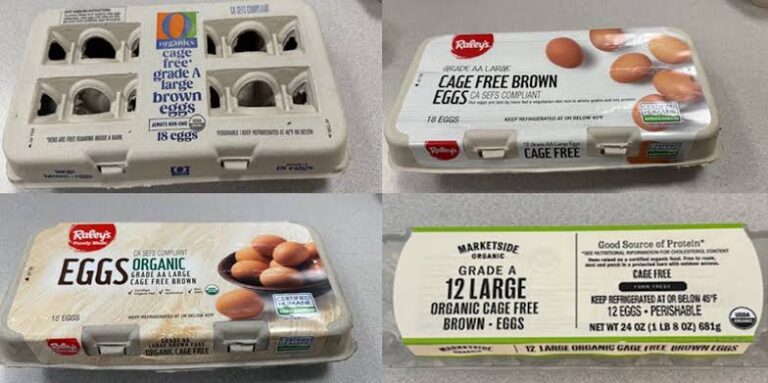
The UK Health Security Agency (UKHSA) has declared a national outbreak of salmonella after one person died and hundreds have reportedly fallen ill. Public health teams are investigating the source, working with laboratories, clinicians and food safety agencies to identify and contain the outbreak while advising the public on symptoms and prevention measures.
What happened
According to initial reports, hundreds of cases of salmonellosis have been identified across the country and at least one death has been linked to the outbreak. UKHSA and partner agencies have activated outbreak investigation protocols to trace the source(s), collect epidemiological data and sequence bacterial isolates to determine if cases are linked.
What is salmonella and how serious is it?
Salmonella is a group of bacteria that commonly cause gastrointestinal illness. Most people experience symptoms such as diarrhea, abdominal cramps and fever within 6–72 hours of exposure. While many infections resolve without specific treatment, salmonella can be severe — particularly in infants, older adults, pregnant people and those with weakened immune systems — and can occasionally lead to hospitalization or death.
Public health response and investigation steps
- Case finding and interviews to identify common exposures (foods, venues, events).
- Laboratory testing and whole-genome sequencing to link cases and confirm a common strain.
- Environmental and food sampling at suspected sites, including production and retail premises.
- Targeted recalls or temporary closures if a contaminated food product or preparation point is identified.
- Clear public guidance on symptom recognition, when to seek care, and how to limit further spread.
Symptoms and when to seek medical help
Common symptoms include diarrhea (which may be bloody), vomiting, fever and stomach cramps. Most people recover within a week. Seek prompt care if you or someone you care for has:
- High fever (above 38.5°C / 101.3°F) or severe dehydration signs (dizziness, very little urine, dry mouth).
- Blood in stools or persistent vomiting preventing fluid intake.
- Severe illness in a baby, older adult, pregnant person or someone with a weakened immune system.
If you suspect you have food poisoning linked to the outbreak, contact your GP or NHS 111 (in England) for advice; if severely ill, call emergency services.
Likely sources and how infections spread
Salmonella typically spreads via contaminated food (particularly undercooked poultry, eggs, unpasteurised dairy, and produce), contaminated water, or contact with infected animals or their environments (for example, reptiles). Cross-contamination in kitchens and improper hand hygiene are common contributors to outbreaks.
Practical advice to reduce your risk
- Follow safe food handling: cook poultry and eggs thoroughly, avoid raw or unpasteurised dairy, and use a food thermometer where appropriate.
- Prevent cross-contamination: use separate boards and utensils for raw meat and ready-to-eat foods; wash surfaces and utensils with hot, soapy water.
- Maintain rigorous hand hygiene: wash hands with soap and water after using the toilet, changing nappies, handling animals, and before preparing or eating food.
- If you are unwell, avoid preparing food for others until you have fully recovered.
- Follow official recall notices and safety guidance from UKHSA and the Food Standards Agency (FSA).
Implications for food businesses and regulators
Food businesses should cooperate fully with public health investigations, preserve supply-chain records, and act immediately on any sampling or inspection findings. Regulators may require enhanced inspections, sampling, and, where necessary, product recalls or temporary closures to prevent further cases.
What to expect next
Investigations may take days to weeks depending on the complexity of the food chain and whether a single contaminated product or multiple sources are implicated. Public updates from UKHSA and the Food Standards Agency should provide the latest on identified sources, recall actions and targeted advice for affected consumers.
Sources and further reading
- UK Health Security Agency (UKHSA) — organisation and public health role
- NHS: Salmonella — symptoms, treatment and when to seek help
- Food Standards Agency (FSA) — food safety and recalls guidance
- World Health Organization: Foodborne diseases — global context on foodborne illness
- U.S. CDC: Salmonella — clinical and outbreak investigation guidance
Note: This article is based on the outbreak information provided in the initial report and on standard public-health resources. For the latest situation updates, official guidance and any product recall notices, follow UKHSA and the Food Standards Agency.