



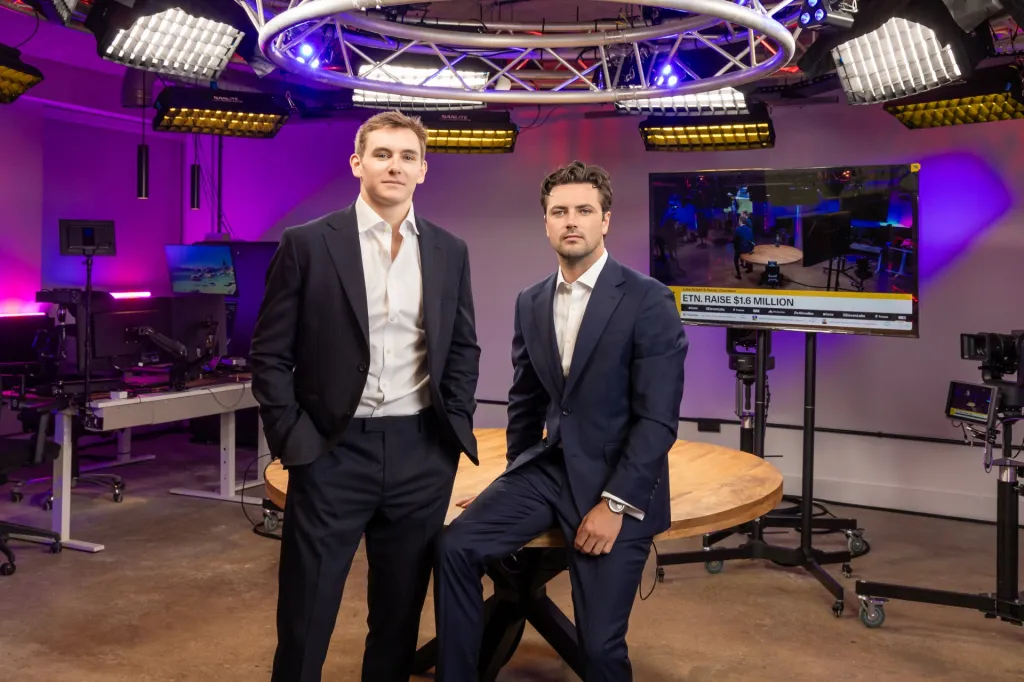
On Monday the network announced a $1.6 million seed round from a mix of heavyweight media and technology backers — including Powerhouse Capital, Germany’s Axel Springer SE (owner of Business Insider and Politico), the UK publisher LADbible Group, and angel investors connected to OpenAI and DeepMind. With that fresh capital in hand, the company says it will move forward with its largest expansion to date, accelerating product development, hiring and distribution partnerships.
The deal in context
This round illustrates two clear currents reshaping the media business: established media owners continuing to deploy capital into new formats and startups, and technology and AI insiders looking to influence how content is produced, distributed and monetized. Axel Springer’s continued activity as an investor and acquirer in the news and digital media space is part of a long-standing strategy to consolidate readership and product capabilities across markets (Reuters).
Why cross-pollination between media and AI investors matters
- Product acceleration: Angel investors with backgrounds at AI labs and platforms bring technical guidance and potential access to tooling and talent. That can speed up the application of generative AI to content creation, personalization and moderation.
- Distribution advantages: Media investors such as LADbible provide audience and distribution know-how—especially in social and short-form channels—helping startups scale reach quickly (LADbible background).
- Strategic synergies: Legacy publishers investing in startups gain optionality: access to new product formats, audience data, and ideas that can be integrated into larger portfolios.
What broader trends this round reflects
1) A continuing pivot to creator- and audience-first models: Even as ad markets fluctuate, investors remain interested in companies that build direct relationships with audiences and diversify revenue (subscriptions, commerce, events).
2) An arms race in AI-enabled content tools: Media startups increasingly bake generative models into workflows for drafting, personalization, captioning and tagging. Firms and investors are betting that AI will reduce marginal production costs and enable hyper-personalized experiences; consultancies have outlined the potential for transformative operational gains when media companies adopt generative AI thoughtfully (McKinsey on AI and media, see linked analysis in Sources).
3) Strategic capital from publishers and platforms: Large publishers (and their corporate parents) are both buyers and investors—using M&A and minority stakes to shore up future growth and to buy optionality in new formats and technologies.
Risks and challenges ahead
- Trust and quality control: As AI tools scale content production, maintaining editorial standards and credibility becomes more difficult and more valuable.
- Monetization pressure: Audience growth does not always translate into sustainable revenues. Startups must demonstrate unit economics beyond initial traction.
- Regulatory scrutiny and platform dependence: Content distribution remains concentrated on a handful of platforms; changes to algorithms or policies can materially affect traffic and ad revenue.
What to watch next
For this network specifically, monitor three signals over the coming 6–12 months:
- Product announcements that show clear AI-driven differentiation (e.g., personalization features or creator tools).
- Partnerships or distribution deals that leverage the names in this round—particularly if the investors’ existing properties route traffic or audience data to the startup.
- Metrics around revenue diversification and retention rather than vanity metrics like raw downloads or impressions.
Bottom line
This seed round is more than a funding event for a single company: it’s an example of how media incumbents and AI-aligned investors are collaborating to shape the next wave of content products. If executed well, the network could hit a sweet spot—combining editorial and distribution expertise with technical capacity to iterate faster. But success will require careful product discipline, transparent use of AI, and a clear path to monetization.
Sources
- Company announcement (source text supplied in feed)
- Axel Springer’s acquisition strategy and ownership of Politico and Business Insider — Reuters: https://www.reuters.com/business/media-telecom/axel-springer-buy-politico-european-publisher-2021-11-29/
- LADbible Group background — Wikipedia: https://en.wikipedia.org/wiki/LADbible_Group
- Powerhouse Capital — firm website: https://powerhouse.capital/
- OpenAI — company: https://openai.com/
- DeepMind — company: https://www.deepmind.com/
- Analyses on generative AI impact for media and entertainment — Deloitte and McKinsey (industry overviews): https://www2.deloitte.com/insights/, https://www.mckinsey.com/