




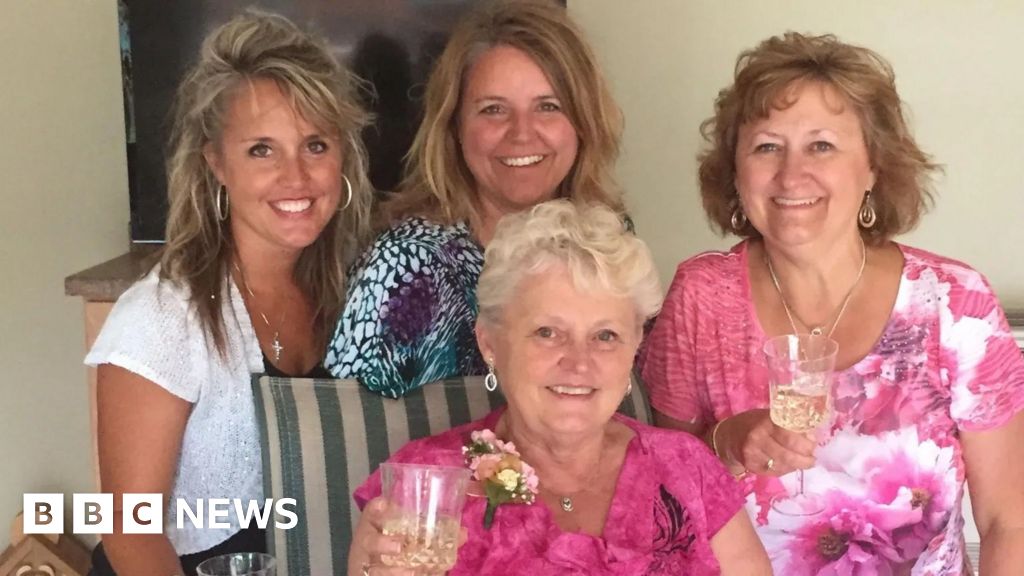
Anita Le Brun, who led a campaign to allow alcohol to be served in care homes without a standard premises licence, is celebrating what local reports describe as a successful change in policy. That shift — whether enacted locally or as updated guidance — raises immediate practical and ethical questions for care-home managers, residents, families and clinicians.
What this change means in practice
Reports indicate that some care settings will now be able to offer residents alcoholic drinks more easily, without the administrative burden of obtaining a full premises licence or having a designated personal licence holder for routine service. Proponents say the move supports residents’ autonomy and quality of life: allowing a favourite tipple at dinner or a celebratory drink in communal spaces can be an important part of social life in later years.
Why clinicians and public-health experts are watching closely
Alcohol affects older adults differently than younger people. As people age, body composition and metabolism change, making the same amount of alcohol produce a stronger effect. Older people are also more likely to take medications that interact with alcohol, and they are at higher baseline risk of falls, cognitive decline and other harms that alcohol can worsen.
Authoritative health sources outline these risks and advise extra caution in older populations. For background on how alcohol affects older adults and practical guidance for clinicians and carers, see NHS guidance on alcohol and older people and Age UK’s information pages:
Key health concerns to consider
- Medication interactions: Many common prescriptions for blood pressure, diabetes, pain, anxiety or sleep can interact with alcohol, increasing drowsiness, bleeding risk or other adverse effects. (See NHS medication and alcohol guidance.)
- Falls and frailty: Alcohol increases fall risk through balance and gait impairment; even small amounts raise the risk in frail older adults.
- Cognitive impact: Long-term heavy drinking is a risk factor for cognitive decline and dementia. Short-term drinking can also worsen confusion or delirium in vulnerable people. The Alzheimer’s Society summarizes the links between alcohol and dementia risk.
- Dependence and changing tolerance: Patterns of drinking can change in care settings, and residents who develop increasing tolerance or dependence need early identification and support.
For an overview of alcohol’s relationship to cognitive health, see Alzheimer’s Society: Alcohol and dementia — Alzheimer’s Society.
Balancing rights, dignity and safety
Care homes operate at the intersection of resident autonomy, safeguarding responsibilities and regulatory oversight. Allowing alcohol more readily can improve residents’ quality of life and social inclusion, but it demands robust person-centred care planning:
- Individual risk assessments that account for medications, diagnosis, mobility and cognition.
- Clear consent processes: ensure residents (or their appointed decision-makers) are able to make informed choices and that capacity assessments are documented when necessary.
- Staff training so carers can spot signs of alcohol-related harm, understand interactions with medications and supervise service appropriately.
- Policies for safe storage, controlled service (e.g., measured servings), and limits during times of increased risk (recent illness, medication changes, acute confusion).
Policy, regulation and oversight
Licensing and care regulation frameworks are separate but overlapping. National-level licensing rules (such as England and Wales’ Licensing Act framework) set out when and how alcohol can be sold or supplied, while care regulators and professional bodies set standards for safe care delivery. Providers should ensure that local interpretation of licensing changes is reconciled with safeguarding duties and clinical best practice. For official licensing guidance, see the UK government’s guidance on alcohol licensing:
Practical steps for care-home operators and families
If your local authority or provider is implementing a relaxed approach to licensing, consider these immediate steps:
- Update care plans and medication reviews to record alcohol preferences and risks.
- Train staff on alcohol–medication interactions and on spotting early signs of harm.
- Develop a policy for supervised, measured service rather than free access to alcohol.
- Communicate with families and residents about why policies exist and how they protect safety while respecting choice.
Voices from the sector
Advocates like Anita Le Brun highlight dignity and the social role of alcohol in celebrations and routine life, and many families welcome choices that make home life feel more familiar. At the same time, clinical leaders and charities emphasise that enabling availability must be matched by clinical oversight, staff training and robust safeguarding.
Conclusion
Allowing alcohol to be served in care homes without a full premises licence can deliver meaningful quality-of-life benefits when introduced carefully. The health sector’s priority is to ensure any easing of licensing barriers is paired with person-centred risk assessment, medication review, staff training and monitoring for harm. That combined approach can help preserve residents’ dignity and social life while minimising avoidable health consequences.