


Overview
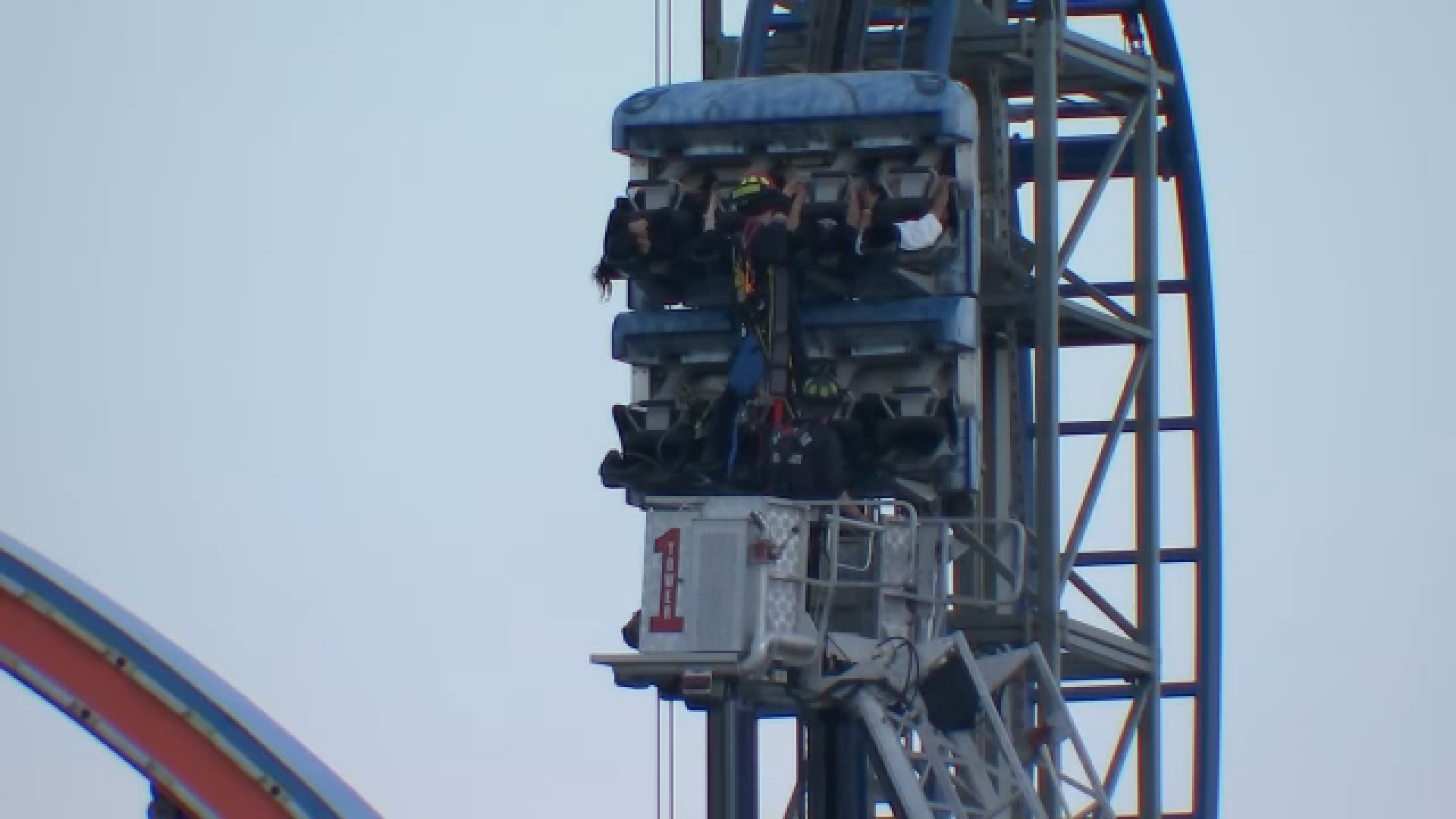
On a hot Thursday afternoon at Pleasure Pier in Galveston, eight riders on the Iron Shark roller coaster were left suspended more than 100 feet in the air after the ride suddenly stopped. According to local reporting, the riders—students on a field trip—were hanging backwards until Galveston Fire crews used a ladder to reach and bring each person to safety. Fire officials said the ladder was just long enough to reach the stranded riders, and everyone was evaluated for dehydration; no serious injuries were reported. A spokesperson for Landry’s Inc., which owns Pleasure Pier, said a full safety inspection will be completed before the ride reopens.
What Happened (Summary of the Incident)
The incident involved a mid-ride stoppage of the Iron Shark, leaving riders suspended and necessitating an aerial rescue by local fire crews. Emergency responders prioritized getting riders down safely and checking them for heat-related symptoms after prolonged exposure to the sun. Landry’s announced a forthcoming safety inspection; local officials handled the rescue operation.
Immediate Response and Safety Outcomes
- Rescue: Galveston Fire personnel deployed a ladder to reach the riders and led them down; all were returned to the ground without reported serious injuries.
- Medical checks: Fire officials reported checks for dehydration and other heat-related issues, with no major medical problems disclosed.
- Operational response: The ride was closed pending a full safety inspection by the operator.
Context and Industry Practices
Ride stoppages resulting in stranded passengers are relatively uncommon but not unprecedented. Causes can range from electrical or power interruptions and triggered safety sensors to mechanical issues or control-system anomalies. Amusement-ride operators and local authorities rely on established emergency protocols to evacuate and care for guests when a stoppage occurs.
Key safety and oversight frameworks that govern amusement-park operations include voluntary industry standards and local or state inspection regimes. Industry organizations and regulators provide guidance for emergency response, staff training, and routine maintenance. For general guidance and standards, see resources from the International Association of Amusement Parks and Attractions (IAAPA) and the U.S. Consumer Product Safety Commission (CPSC), which discuss safety expectations and best practices for ride operation and maintenance.
Heat Exposure and Field-Trip Considerations
When riders are stranded outdoors—especially students on field trips—heat exposure and dehydration become immediate concerns. Organizers and operators should maintain clear emergency plans that include rapid hydration and cooling strategies, effective communication with responding agencies, and quick medical triage when necessary. Schools and chaperones planning outings should verify the operator’s safety record and emergency procedures in advance.
What to Expect Next
Following incidents like this, operators typically:
- Conduct an internal and often third-party inspection of the ride’s mechanical systems, controls, and safety devices.
- Review maintenance logs, recent repairs, and staff procedures to identify any lapses or failures.
- Coordinate with local authorities and, if applicable, state regulators to determine if additional oversight or testing is required before reopening.
Investigations can take time depending on the complexity of the suspected fault and whether outside specialists are needed to diagnose intermittent electrical or mechanical issues.
Takeaways for Riders and Guardians
- Ask about routine maintenance and inspection frequency when visiting an amusement park, and watch for posted safety information.
- If visiting on very hot days, plan for sun protection and hydration—especially for children and vulnerable guests.
- Follow operator and attendant instructions during any ride stoppage; trained staff and emergency responders are typically in charge of evacuations.
Sources and Further Reading
- Local coverage of the Galveston incident (original report provided in the source material).
- International Association of Amusement Parks and Attractions (IAAPA) — safety resources and industry best practices: https://www.iaapa.org/
- U.S. Consumer Product Safety Commission (CPSC) — amusement ride safety guidance: https://www.cpsc.gov/Safety-Education/Safety-Guides/Amusement-Rides
- ASTM International committee on amusement ride standards (F24): https://www.astm.org/COMMITTEE/F24.htm
- Landry’s, Inc. (Pleasure Pier operator) corporate site for operator statements and press releases: https://www.landrysinc.com/
If local authorities or the ride operator publish a formal incident report, that documentation will provide the definitive account and technical findings; watch local news outlets and official press releases for updates.