



Miami’s moment on the world stage
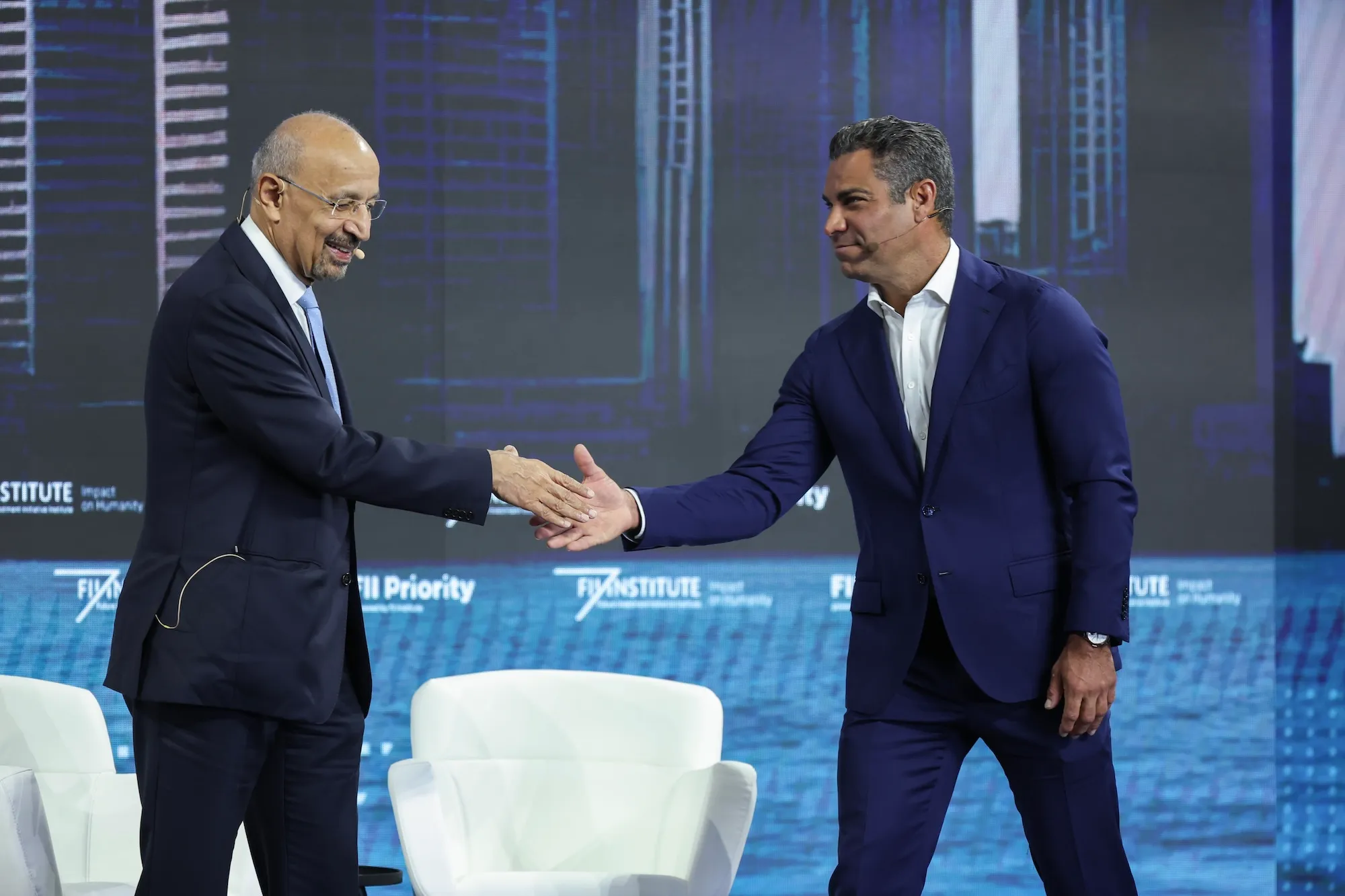
The prospect of World Cup matches played in Miami has repeatedly driven headlines, local boosterism and political theatre. When a World Cup draw assigned a high-profile match to a Miami venue, then-Mayor Francis Suarez was among the most visibly pleased—an understandable reaction from an elected official who had promoted the city as a global events destination. Beyond the photo opportunities, hosting matches at venues such as Hard Rock Stadium brings a complex mix of economic, social and political consequences that deserve careful scrutiny.
Short-term gains: tourism, hospitality and visibility
On matchdays and during the tournament window, host cities typically see large inflows of visitors, heavy hotel occupancy, surges in restaurant and retail spending, and elevated demand for transportation and event services. For Miami—already a global tourism hub—World Cup matchdays amplify those flows and spotlight the city’s multicultural fanbase. Local businesses, hotels and transportation operators routinely report increased bookings and premium pricing during major international matches, and host-city branding receives renewed global attention.
Longer-term impacts: infrastructure, neighborhoods and legacy
Major tournaments can justify investments in stadium upgrades, transit improvements and public realm work. But the long-term payoff is mixed: economic research on stadiums and mega-events shows benefits are often concentrated, short-lived, or offset by the cost of public subsidies and disruptions to local life. Cities that plan carefully can leverage event-driven upgrades into lasting neighborhood improvements; those that rely on optimistic projections risk leaving taxpayers with underused assets.
Politics, perception and the ‘win’ for local leaders
For elected officials, being associated with a major international event is politically valuable. Announcements, ribbon-cuttings and photo-ops give leaders a narrative of growth and global relevance. That dynamic helps explain visible celebrations when a marquee match is set for a city: it’s an easily communicable signal of success. But the political upside carries accountability: voters and civic leaders will measure whether promised legacy benefits—transport upgrades, jobs, local business growth—arrive after the final whistle.
Security, logistics and community concerns
Staging World Cup matches requires coordinated security plans, transportation strategies, crowd management and community engagement. Residents near venues often face traffic restrictions, event noise and changes in public services. Cities that invest in detailed planning and clear, early communication generally reduce friction and improve outcomes for both visitors and locals.
What this means for Miami going forward
Whether the headline-making placement of an international team’s match in Miami was mainly a political win for local leaders or a durable economic opportunity depends on follow-through. Key questions for Miami’s civic leaders and residents include:
- Will event-driven infrastructure investments be maintained and integrated into broader transit and neighborhood plans?
- Are local small businesses and service workers receiving measurable, sustained benefits from tournament-driven demand?
- How will the city document and report the net economic and social impacts so future decisions are evidence-based?
Answering these questions honestly will determine whether the matchday applause becomes a chapter in a long-term growth story—or only a vivid but fleeting civic moment.
Sources and further reading
- FIFA — FIFA World Cup 2026™ tournament information — official information about cities and tournament planning.
- Brookings Institution — Stadiums and economic development — analysis of the economic effects of stadiums and mega-events on cities.
- Institute of Museum and Library Services & public-sector planning studies — resources on community engagement and legacy planning for major events.