
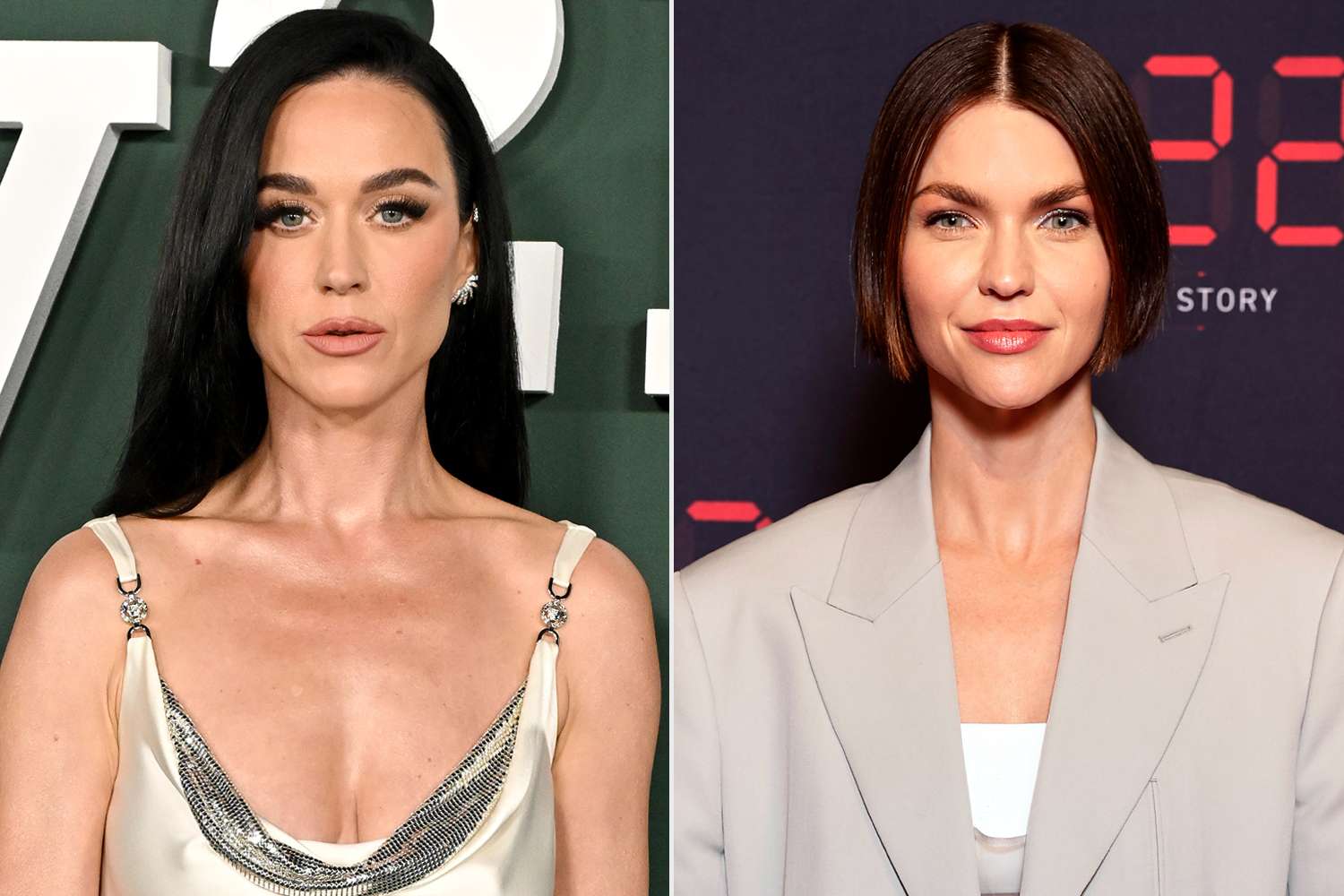
Australian authorities have opened a historical sexual assault investigation involving pop star Katy Perry after actor Ruby Rose alleged on social media that Perry assaulted her in Melbourne in 2010. The allegation, which Perry’s representatives have strongly denied, has quickly become one of the most talked-about entertainment stories of the week.
What happened
According to Entertainment Weekly, Victoria Police confirmed that detectives from the Melbourne Sexual Offences and Child Abuse Investigation Team are investigating an alleged incident said to have taken place at a licensed venue in Melbourne’s central business district. Police said the matter remains ongoing and declined further comment.
Rose made the accusation publicly on Threads, claiming the alleged assault happened 16 years ago. Perry’s team responded by calling the claims “categorically false” and “dangerous, reckless lies,” as reported by Entertainment Weekly.
Why this story is drawing major attention
This story sits at the intersection of celebrity culture, social media, and legal accountability. Allegations involving globally recognized entertainers tend to move rapidly across platforms, but the involvement of police raises the stakes beyond the usual cycle of celebrity controversy. In this case, the public conversation has been fueled not only by the seriousness of the accusation, but also by the fact that it emerged first through social media before being acknowledged by investigators.
That pattern has become increasingly common in the entertainment world. Platforms like Threads, X, and Instagram now often function as the first venue where accusations become public, sometimes well before formal legal processes begin. The result is a split-screen reality: one narrative unfolds in the court of public opinion, while another develops much more slowly through law enforcement and any possible judicial action.
The broader context around celebrity allegations
The renewed scrutiny around Perry also revives discussion of earlier accusations tied to the singer. The Los Angeles Times previously reported on misconduct allegations made by model Josh Kloss, which Perry has publicly pushed back against in past interviews. In a 2020 interview with The Guardian, Perry said she did not want to contribute to “noise” and preferred to focus on truth rather than respond to every allegation made about her.
At the same time, the case highlights how difficult historical allegations can be to investigate. Memories, witnesses, documentation, and venue records may all be limited after many years. That does not make such cases unimportant, but it does help explain why law enforcement tends to proceed cautiously and why public claims do not automatically translate into legal findings.
What to watch next
For now, the key fact is that this is an active police investigation, not a legal conclusion. No public finding has been announced, and no outcome is yet known. The next phase of the story will likely depend on whether investigators gather enough evidence to advance the case further.
In the meantime, the reaction across entertainment media reflects a larger shift in celebrity journalism. Stories are no longer just about fame or image management; they increasingly involve questions about accountability, due process, and how audiences interpret allegations in real time.
As more details emerge, this case will remain a closely watched story not just because of the famous names involved, but because it reflects broader tensions in modern pop culture: the speed of online accusation, the weight of public judgment, and the slower, more methodical pace of formal investigation.