

Summary
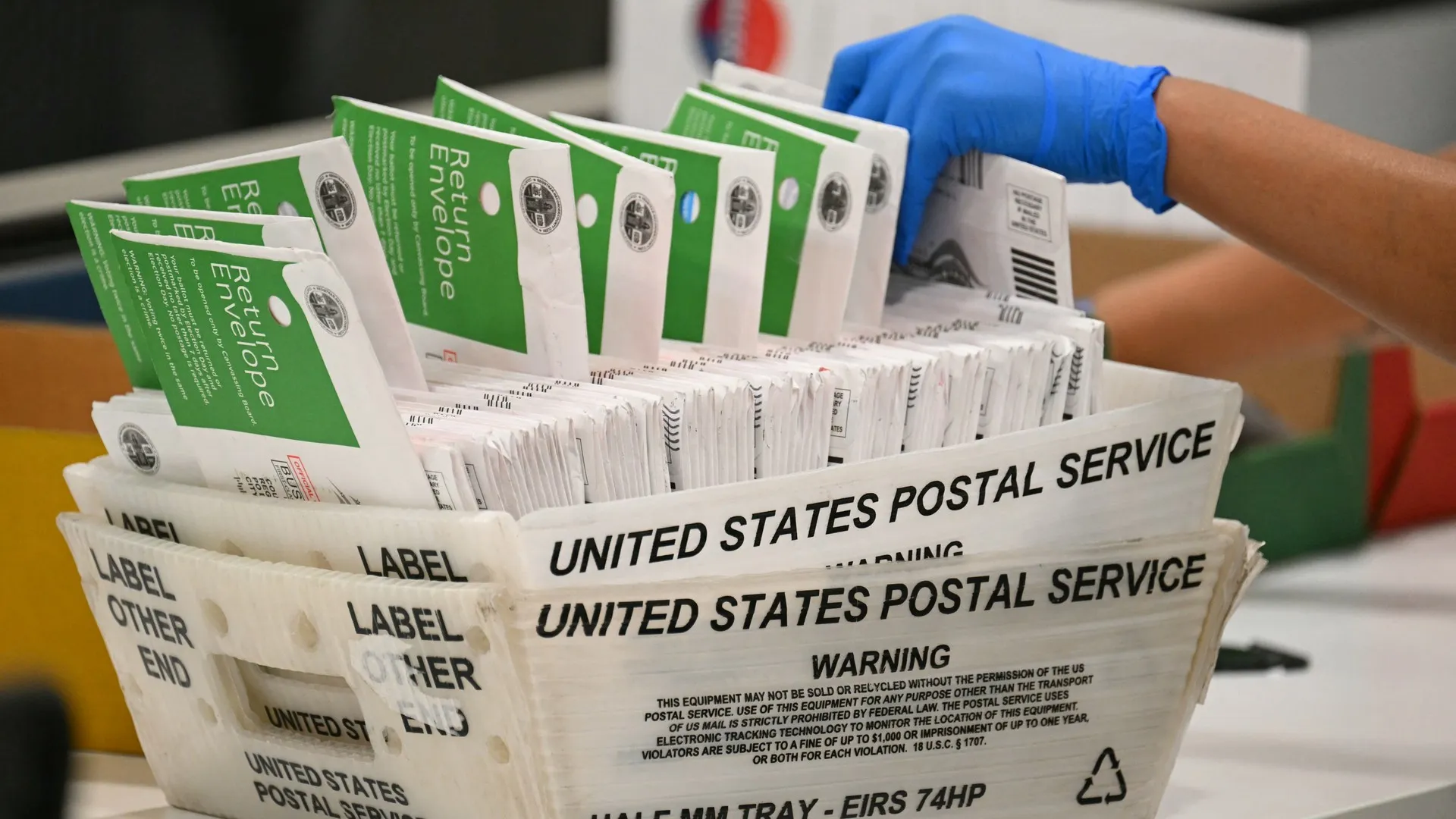
Federal courts and state election officials have been locked in a dispute over a presidential effort to limit certain types of mail‑in ballots and to direct the Postal Service’s role in ballot delivery. The administration sought Supreme Court review of lower‑court rulings that blocked an executive order aimed at creating a federal list of eligible mail‑in voters and restricting USPS distribution of unsolicited ballots. The clash raises central questions about presidential authority, federalism, and the pace at which election rules can be changed before a national election.
Background
At issue is an executive action from the executive branch that sought to create a federal registry-like mechanism and to curtail Postal Service practices that, according to the administration, lead to widespread distribution of ballots to voters who are not eligible to receive them. States and the District of Columbia sued, arguing the president lacks constitutional authority to remake the way federal elections are administered and that the order threatened to disrupt preparations for upcoming federal elections.
Key legal questions
- Who runs federal elections? The Constitution gives states primary responsibility for administering elections, subject to congressional power to set the “Times, Places and Manner” of holding congressional elections (U.S. Const., Art. I, §4). Whether an executive order from the White House can alter state election procedures — especially close to an election — turns on the relationship between federal executive authority and state control of election mechanics.
- What is the scope of presidential authority? The administration has described parts of the measure as policy guidance or as within the executive branch’s administrative purview. Courts will examine whether that description masks a substantive attempt to change election rules without Congress or state action.
- What role do courts play in election timing? Courts often apply special caution when altering election processes close to voting dates (the so‑called Purcell principle). Judges balance the risk of disenfranchising voters against the need to correct legal violations. How that balance is struck can determine whether stay orders remain in place or are overturned.
Context and precedent
The dispute sits at the intersection of several strands of law: constitutional allocation of authority over elections, administrative law governing agency powers, and election law doctrines about last‑minute changes. Courts have historically emphasized state control over the mechanics of elections, even while acknowledging a role for federal law and federal agencies in specific circumstances. Recent years have seen heightened litigation over mail voting, absentee ballots, and the Postal Service — and courts have been increasingly asked to resolve disputes with major political stakes.
Potential impacts if the order is allowed or blocked
- If enforced: A nationwide federal list or prohibition on unsolicited ballot mailings could standardize some practices across states but would likely collide with many state systems that use different voter list and ballot‑mailing procedures. States could face logistical disruption if federal rules required sudden changes to mailing lists, deadlines, or verification procedures.
- If blocked permanently: States would retain preeminence in designing how ballots are requested, mailed, and received, and the Postal Service would operate under existing processes and state coordination. Litigation would likely continue around narrower points of law, and Congress might become the focal point for any nationwide reform effort.
What to watch next
- Whether the Supreme Court accepts emergency relief, leaves lower‑court injunctions in place, or moves the dispute to full briefing and argument.
- How the Court frames the question presented — whether it treats this as a narrow administrative dispute or a broader constitutional clash over federal and state authority.
- Practical effects in states preparing for federal elections: election officials’ contingency plans, USPS operational adjustments, and any state legislative responses that clarify or alter local processes.
Practical advice for voters
Because litigation can produce last‑minute changes, voters should track official state election websites for the most current guidance on requesting, receiving, and returning mail ballots. Many state election offices post FAQs and contact lines for voters who have questions about absentee or mail ballots.
Sources and further reading
- Brennan Center for Justice — overview of mail voting, risks, and safeguards: https://www.brennancenter.org/our-work/research-reports/voting-mail-and-covid-19
- SCOTUSblog — Supreme Court coverage and analysis of election‑related cases: https://www.scotusblog.com/
- Associated Press — elections coverage and reporting: https://apnews.com/hub/elections
- Reuters — U.S. politics and election reporting: https://www.reuters.com/world/us/
- U.S. National Archives — text of the U.S. Constitution (Articles regarding elections): https://www.archives.gov/founding-docs/constitution
Note: This article synthesizes reporting and legal analysis available through June 2024. Readers seeking real‑time status on the litigation should consult the Supreme Court docket and current news coverage for developments that may have occurred after that date.