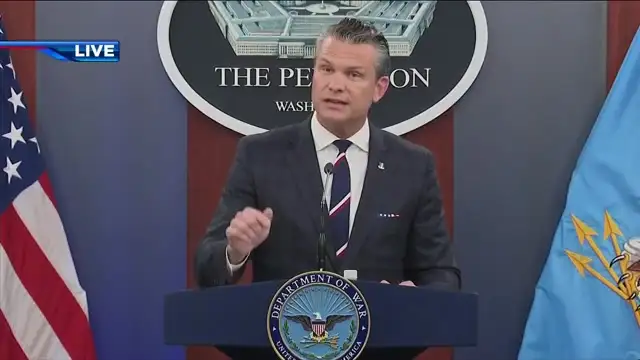


Lead: A recent report in The Wall Street Journal says that, during a meeting before his reinstatement, Huang acknowledged additional affairs beyond the two that had already been publicized. Whether the reporting ultimately changes the course of his career will depend not only on the facts themselves but on how political institutions, the media and the public respond.
Overview
Political figures who are publicly implicated in personal misconduct often face a sequence of events: initial allegation(s), media amplification, party or institutional response, possible temporary removal or suspension, and then a decision about reinstatement. The case referenced in recent reporting — in which Huang reportedly admitted to further affairs in private before being reinstated — highlights several ongoing tensions in modern politics: standards of personal conduct for public officials, the role of private admissions in internal party processes, and the public’s tolerance for personal misconduct when weighed against political utility.
How parties and institutions typically handle these cases
Responses to allegations of personal misconduct vary widely across countries, political cultures and parties. Some common patterns are:
- Immediate distancing: Political parties often suspend officials quickly to limit reputational damage while investigations or internal reviews proceed.
- Internal review and bargaining: Parties may pursue confidential fact-finding or negotiation, balancing legal exposure, electoral calculation and internal factional pressures.
- Public reckoning versus quiet reinstatement: In some cases, an official is publicly disciplined; in others, internal deals lead to a quiet return to duty, which can provoke public backlash if the process is perceived as opaque or hypocritical.
Public trust and political accountability
Political scandals involving personal misconduct often erode public trust, but the effect on a politician’s career depends on several factors: the severity and pattern of the misconduct, the politician’s strategic value to their party, media intensity, and preexisting public sentiment about political institutions. Research and polling consistently show that perceived corruption or hypocrisy corrodes confidence in government over time, even if a single scandal does not end a career.
Media reporting and the role of admissions made in private
When an official privately admits to additional wrongdoing, parties face a dilemma: keep the admission confidential to minimize short-term fallout, or make it public to demonstrate accountability. Both choices carry risks. Confidential handling can be perceived as protecting insiders; public disclosure can trigger rapid political and legal consequences. The decision often reflects a party’s appetite for transparency and its calculation about electoral costs.
What to watch next
- Official investigations or legal actions: Will any formal inquiry be opened, and what are the legal implications of the admissions?
- Party posture and messaging: Does the party stand by Huang, impose sanctions, or move to distance itself?
- Media follow-up: Will journalists corroborate additional details, and does further reporting change public pressure?
- Public and electoral reaction: Polling, opposition statements and activist responses will indicate whether reinstatement is politically sustainable.
Contextual analysis
Reinstatement decisions often reveal more about the health of a political party or system than about a single individual. Parties that prioritize short-term electoral advantage over transparent accountability can survive certain scandals but risk long-term reputational damage and voter cynicism. Conversely, parties that apply clear, consistent standards may take immediate pain but can preserve or rebuild trust over time.
Practical implications for journalists, parties and voters
For journalists: continue to pursue corroboration of private admissions and follow-up on any institutional reviews. For parties: adopt consistent rules that are clearly communicated to the public to reduce perceptions of double standards. For voters: consider whether personal misconduct affects an official’s capacity to perform public duties and whether institutional responses are consistent with stated values.
Selected sources and further reading
- Original report referenced in briefings: The Wall Street Journal (search for recent reporting on “Huang” and related affairs) — https://www.wsj.com/search?query=Huang%20affairs
- Analysis of public trust and political behavior: Pew Research Center, topic pages on trust in government and political leadership — https://www.pewresearch.org/topics/trust-in-government/
- Reporting and case studies of how scandals play out across systems: Reuters search results for “political sex scandal” — https://www.reuters.com/search/news?blob=political+sex+scandal
- Academic and explanatory pieces on why scandals matter: The Conversation (coverage and analysis on political scandals) — https://theconversation.com/search?q=political+sex+scandals
Note: This article synthesizes recent reporting and longstanding patterns in political accountability. Readers interested in the specifics of the case cited should consult the original reporting and any follow-up investigations for precise details.