
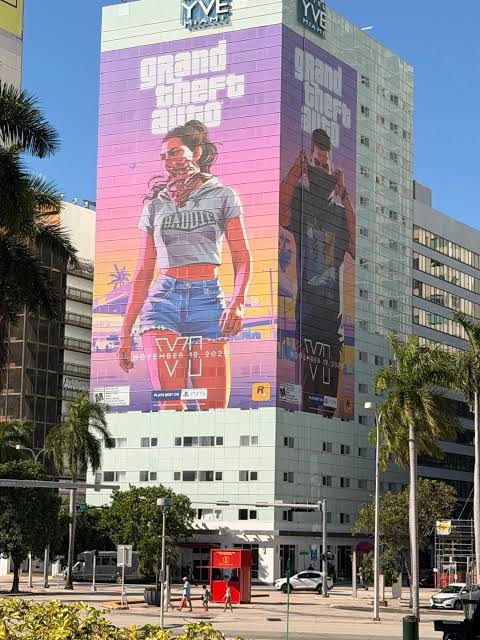
Miami morphs into Vice City as GTA VI launch nears
With the highly anticipated Grand Theft Auto VI release days away, Miami’s streets, rooftops and cafes have been painted in neon pinks and teals as local businesses lean into the game’s Vice City branding. From specialty cocktails in Brickell to pastel murals in Wynwood and collectible drink stirrers at neighborhood coffee shops, the city is leaning into the nostalgia and spectacle that Rockstar’s franchise evokes.
What locals are doing — and why it matters
Brickell’s Rosa Sky Rooftop Bar created new cocktails inspired by Vice City — complete with pineapple, spice and “a little handcuff situation” garnish — that bartenders say pair perfectly with the skyline views. Cafes and taquerias are also taking part: Panther Coffee introduced special Vice City blends and collectible stir sticks, while Coyo Taco is offering in‑game beers and pink Vice City cups alongside tacos dyed the signature color palette. These efforts are designed to give fans tangible, real‑world touchpoints ahead of the game’s release and to convert buzz into foot traffic and social media exposure for participating businesses.
Why this kind of marketing works
- Place‑based activations create Instagrammable moments that amplify prelaunch hype without large ad buys.
- Local tie‑ins let smaller businesses ride a cultural wave, drawing crowds and fostering community engagement.
- For a franchise like GTA, which has long connected its fictional worlds to real cities, seeing physical echoes of Vice City heightens immersive excitement for players.
Industry context: Rockstar’s approach and fan anticipation
Rockstar’s GTA franchise has a history of immersive marketing and massive fan engagement. Ahead of new releases, expectations run high for map scale, narrative ambition and technical polish. The recent on‑the‑ground activations in Miami mirror other high‑profile, experiential campaigns from major game launches — an approach that both builds mainstream buzz and invites local press coverage.
Economic and cultural ripple effects
Beyond a boost in foot traffic and social posts, these promotions can have broader impacts. They highlight how cultural products (games, films, music) can act as short‑term destination marketing, encouraging locals and tourists to visit neighborhoods they might not otherwise frequent. At the same time, there are sometimes concerns about commercialization of public art spaces, and about whether transient marketing campaigns benefit small businesses evenly.
What to watch next
As launch day approaches, look for a few clear signals:
- Whether Rockstar or affiliated partners expand official events or pop‑ups in other cities.
- How local businesses measure success — via sales lifts, social engagement, or new customers.
- How fans react once they can compare the in‑game map to physical Miami landmarks highlighted in local activations.
Bottom line
Miami’s Vice City moment is an example of modern pop culture marketing: culturally resonant, visually striking and mutually beneficial for big entertainment brands and local retailers. For players and residents alike, the activation offers a playful, real‑world prologue to the digital launch that millions will experience once the game drops.
Sources and further reading:
- Rockstar Games (official) — official news and game information.
- NBC Miami — local coverage of Miami businesses participating in Vice City promotions.
- Miami Herald — reporting on cultural and economic effects of major events and promotions in Miami neighborhoods.
- Polygon — ongoing coverage and analysis of major game releases and industry trends.
- The Verge — reporting and context around major entertainment tech and game launches.
Byline: Staff report. For press inquiries or to suggest a local activation to be included in follow‑up coverage, contact the publication.